
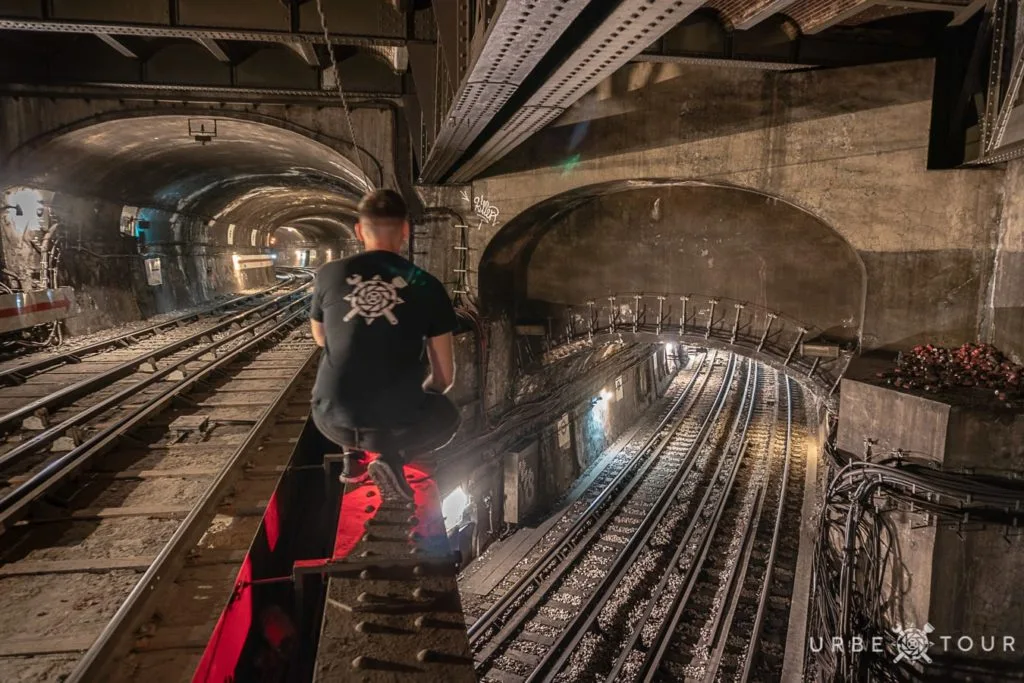
We have previously published a story about exploring the abandoned stations of the Paris Metro, and now we continue our journey through the tunnels of one of the oldest subways in the world. This time we were heading toward a unique place: a huge chamber, built in 1903, where three metro lines intersect, right under the square in front of the Paris Opera.
The ventilation shafts of the Paris Metro are often right under your feet, directly on the sidewalk. We climbed down one of these vents and set off to explore the extensive tunnels.
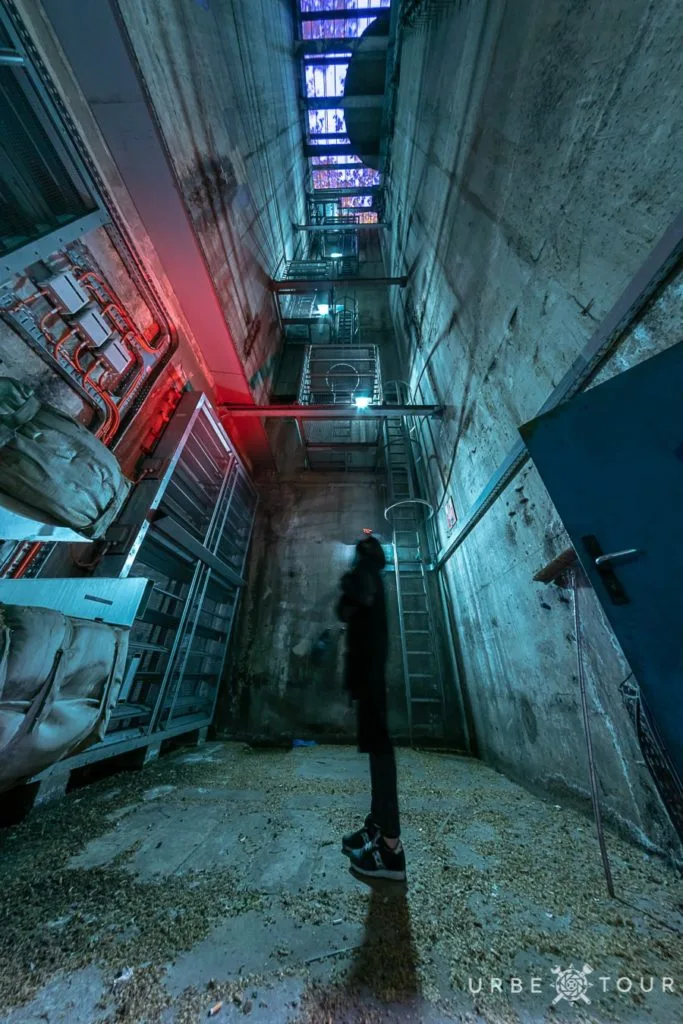
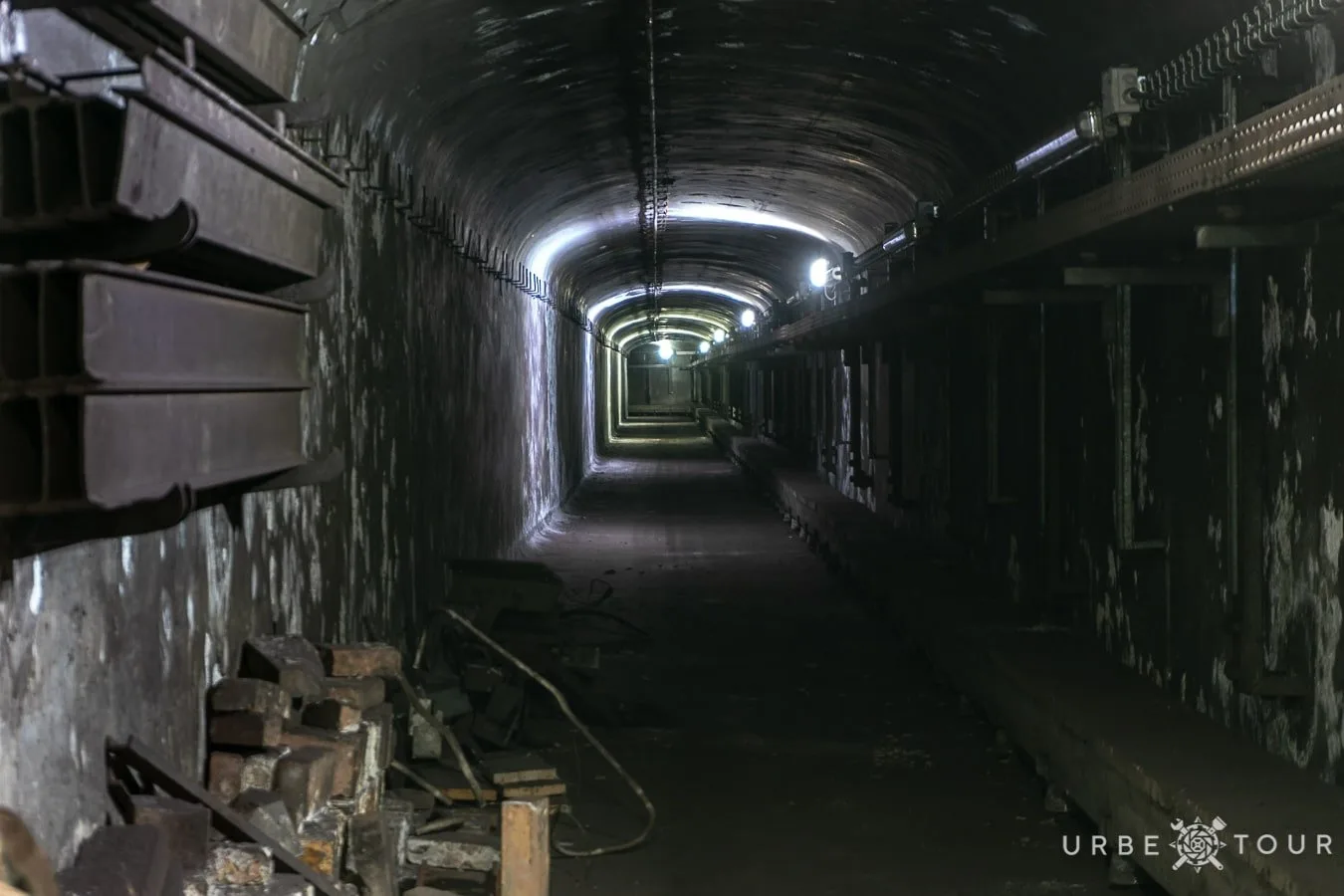
The exit to this train tunnel is closed, so we have to look for another way. At the other end of the shaft, a small cable tunnel ran off in the opposite direction.
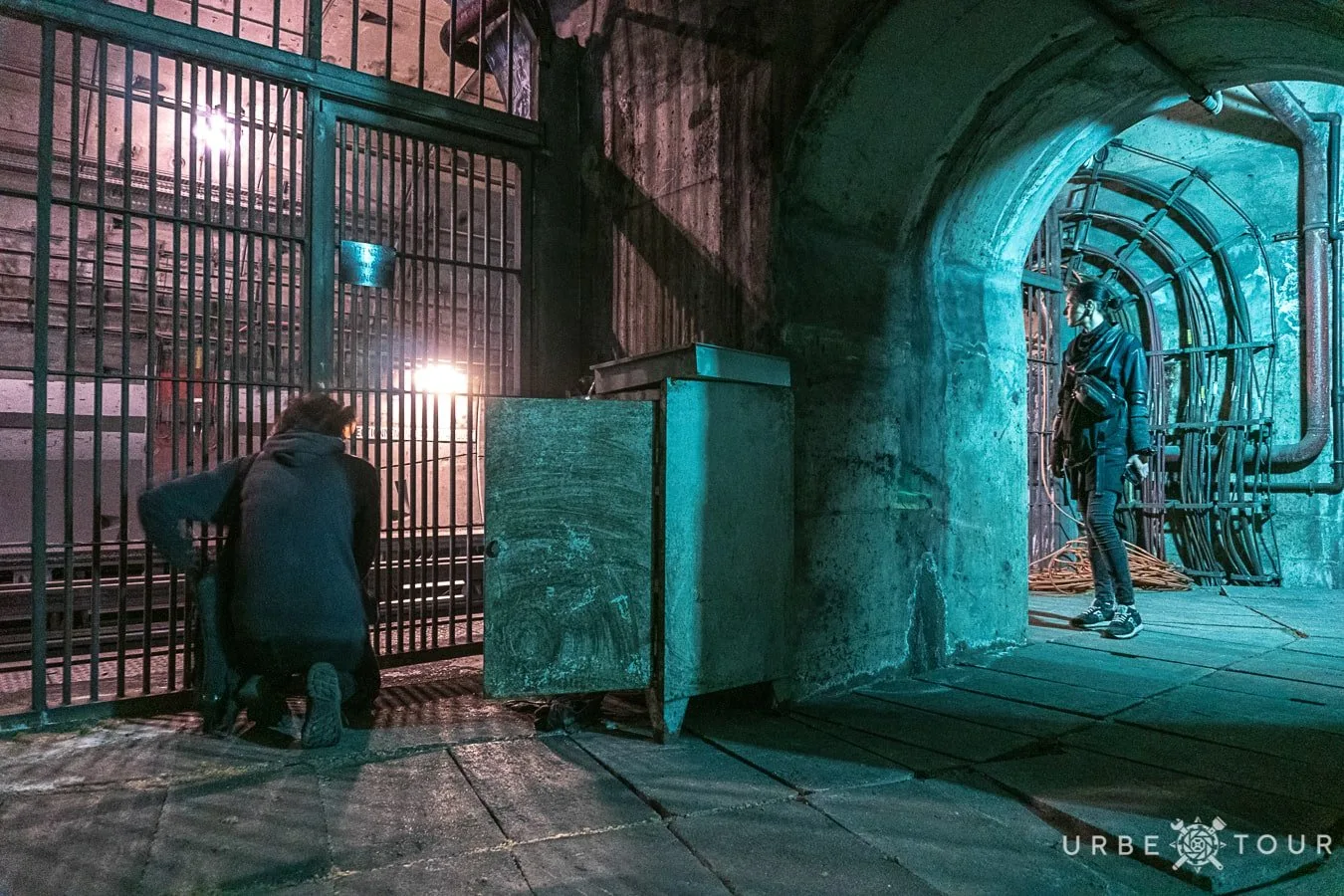
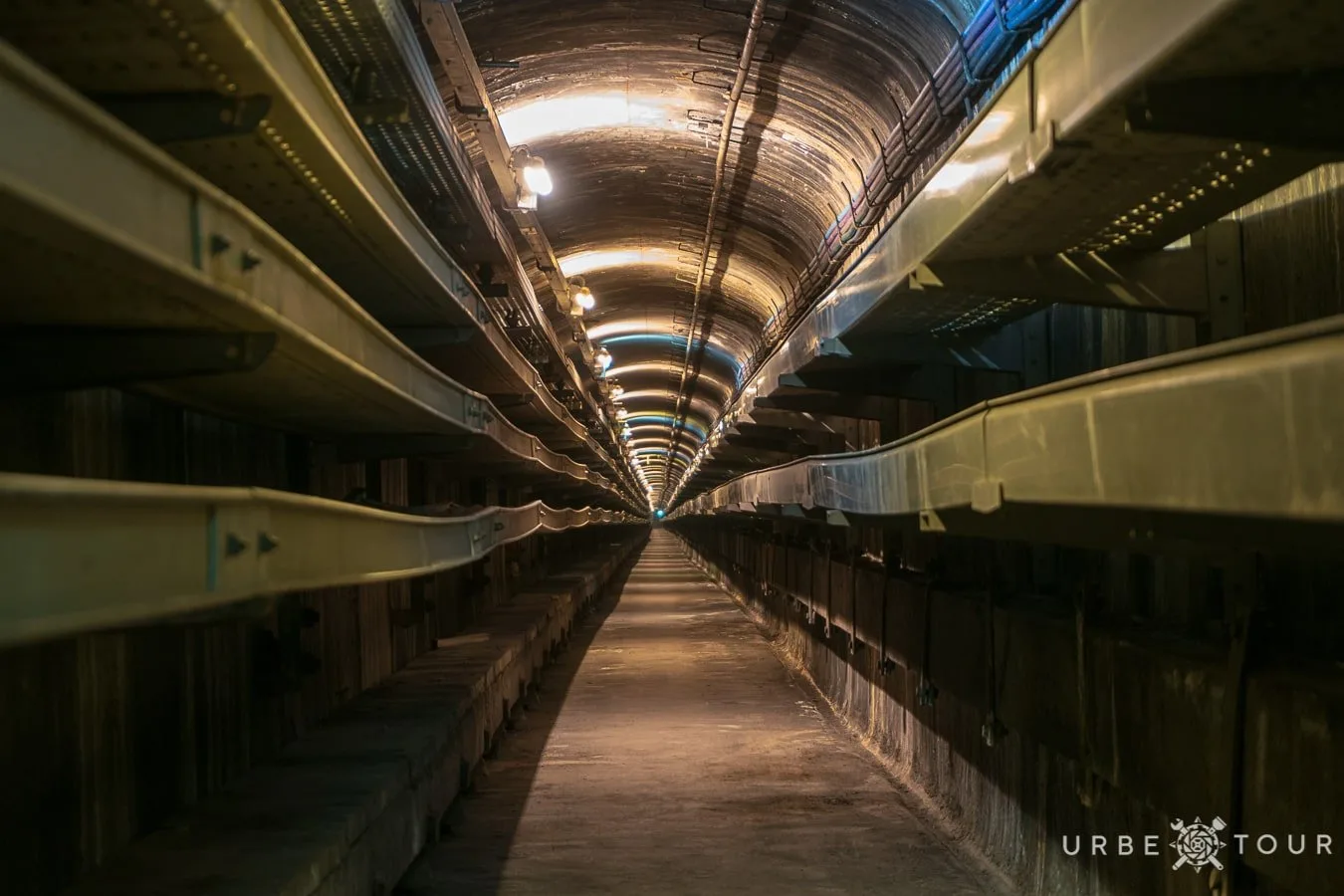
These cable tunnel systems stretch for tens of kilometers, feeding and encircling several metro lines and connecting them to substations. They reminded me of something I saw many years ago in Moscow.
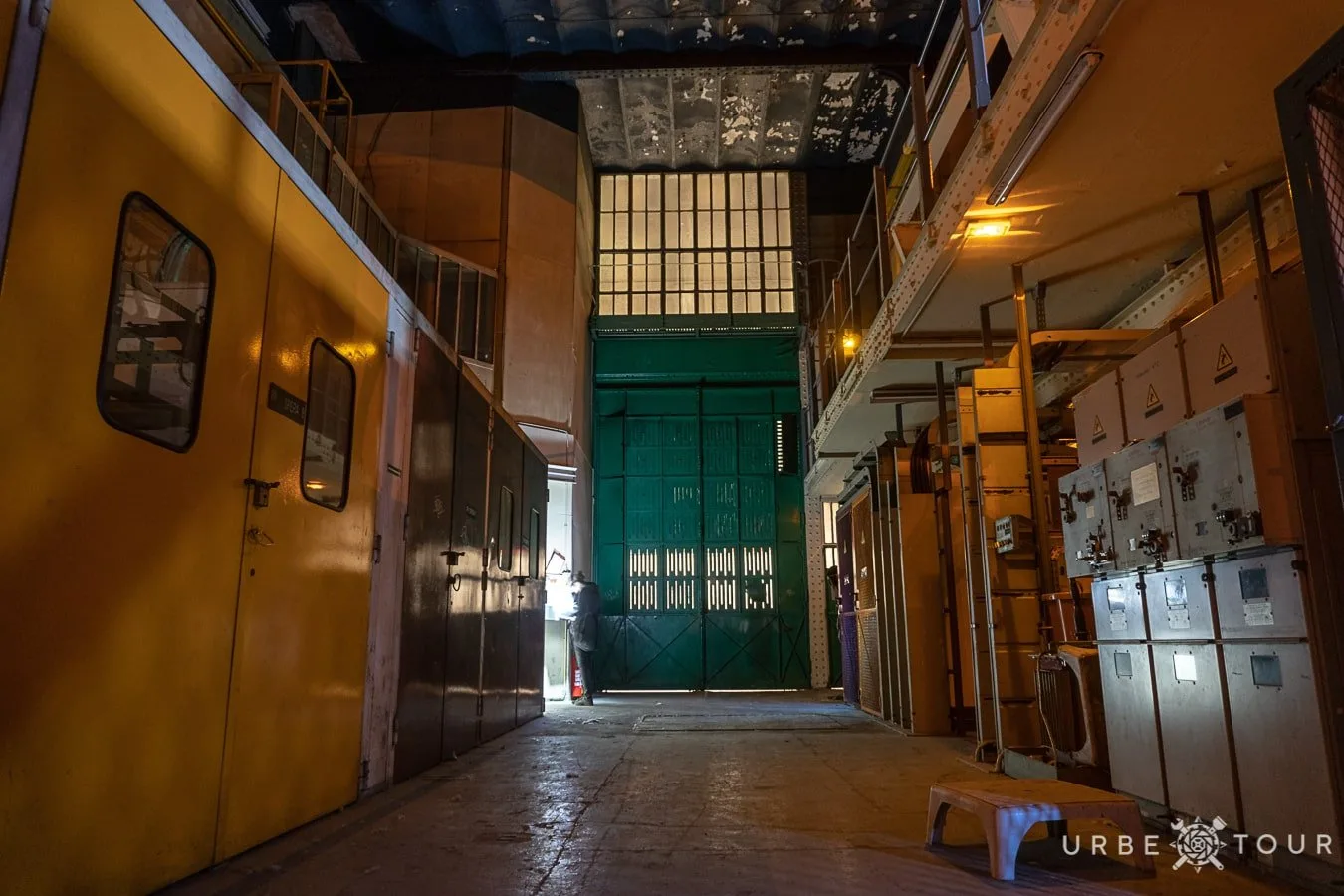
This cable tunnel led us to a substation that powers the metro system.
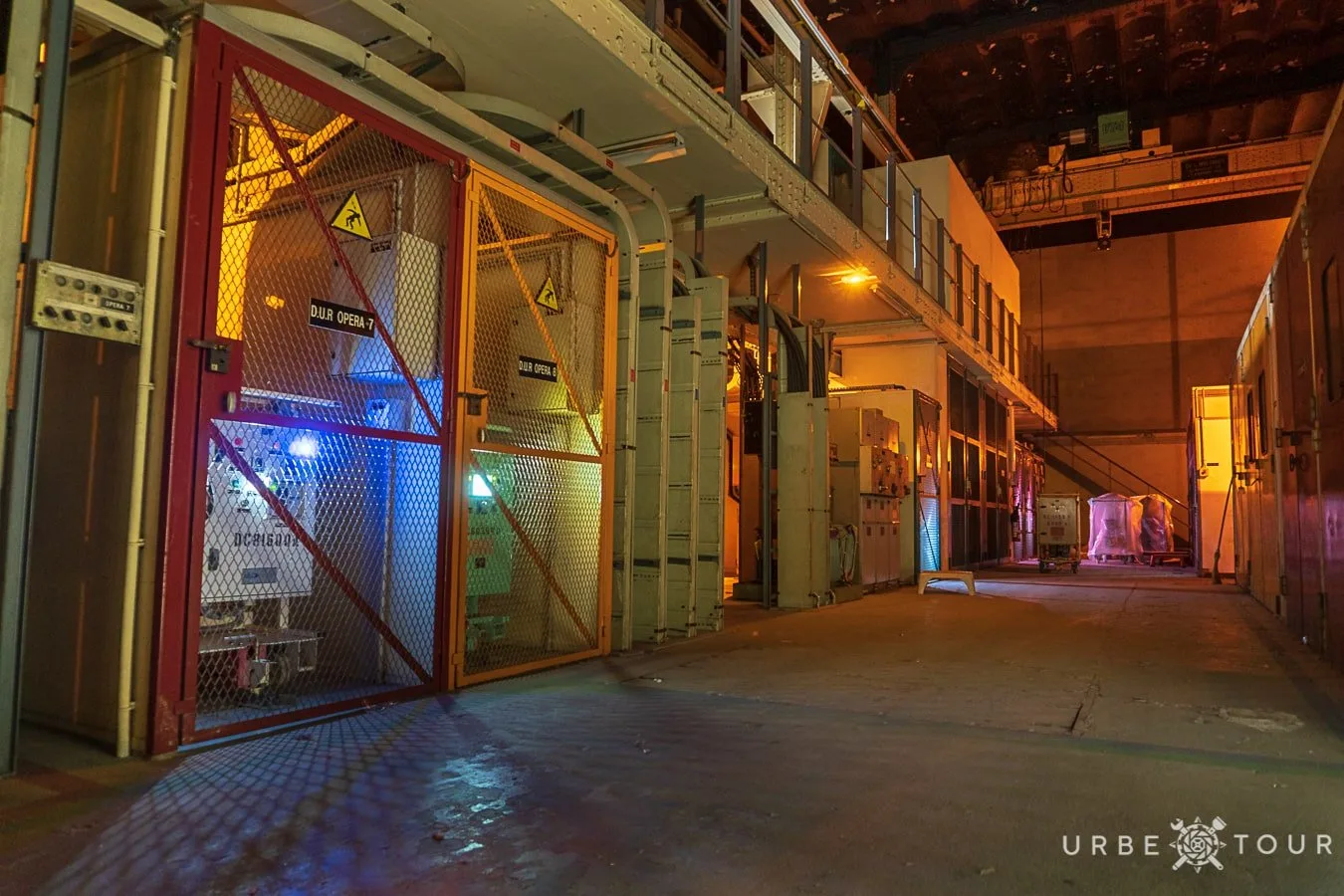
The street is just outside this gate, but we turned back to keep exploring the tunnels, searching for the great intersection chamber.
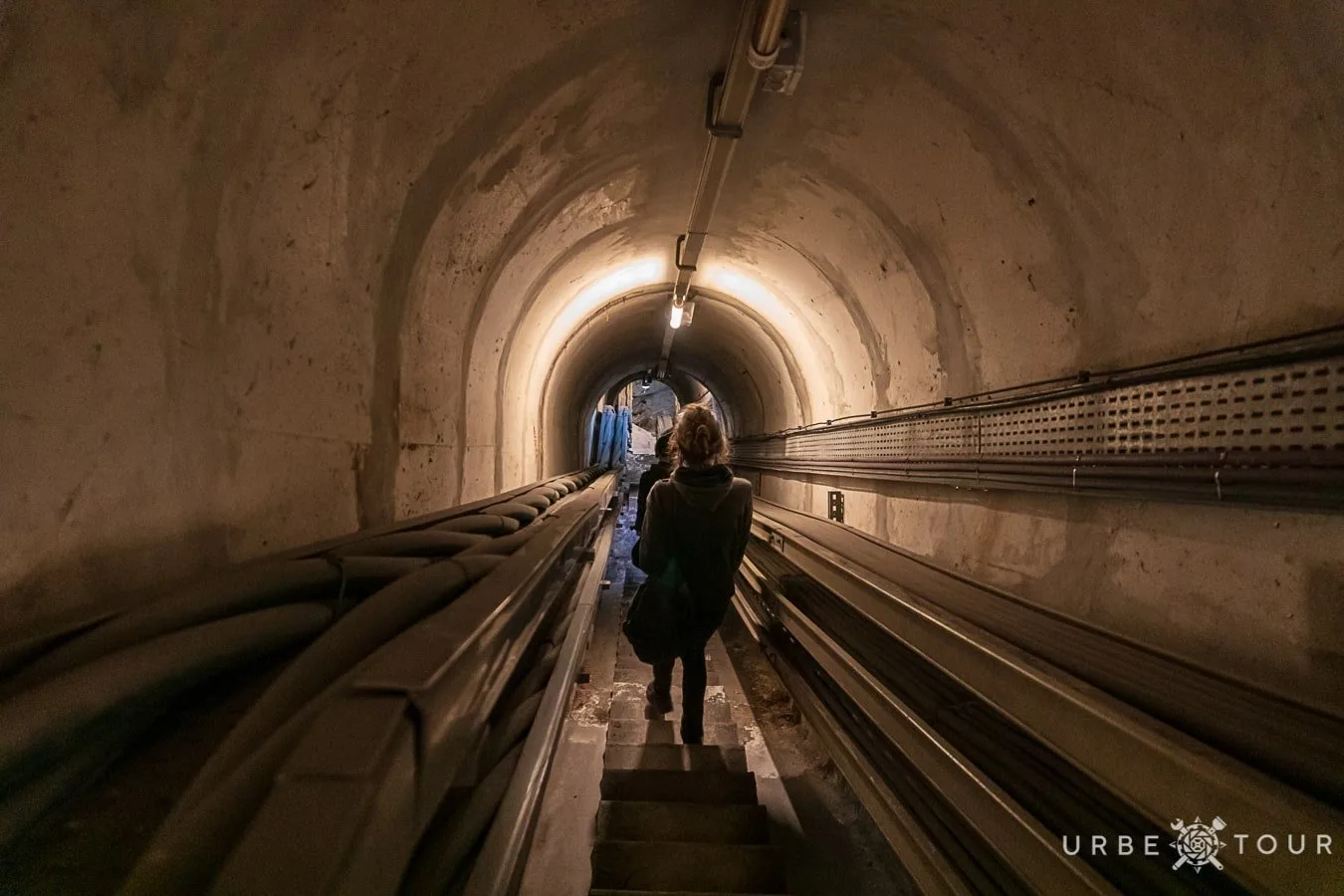
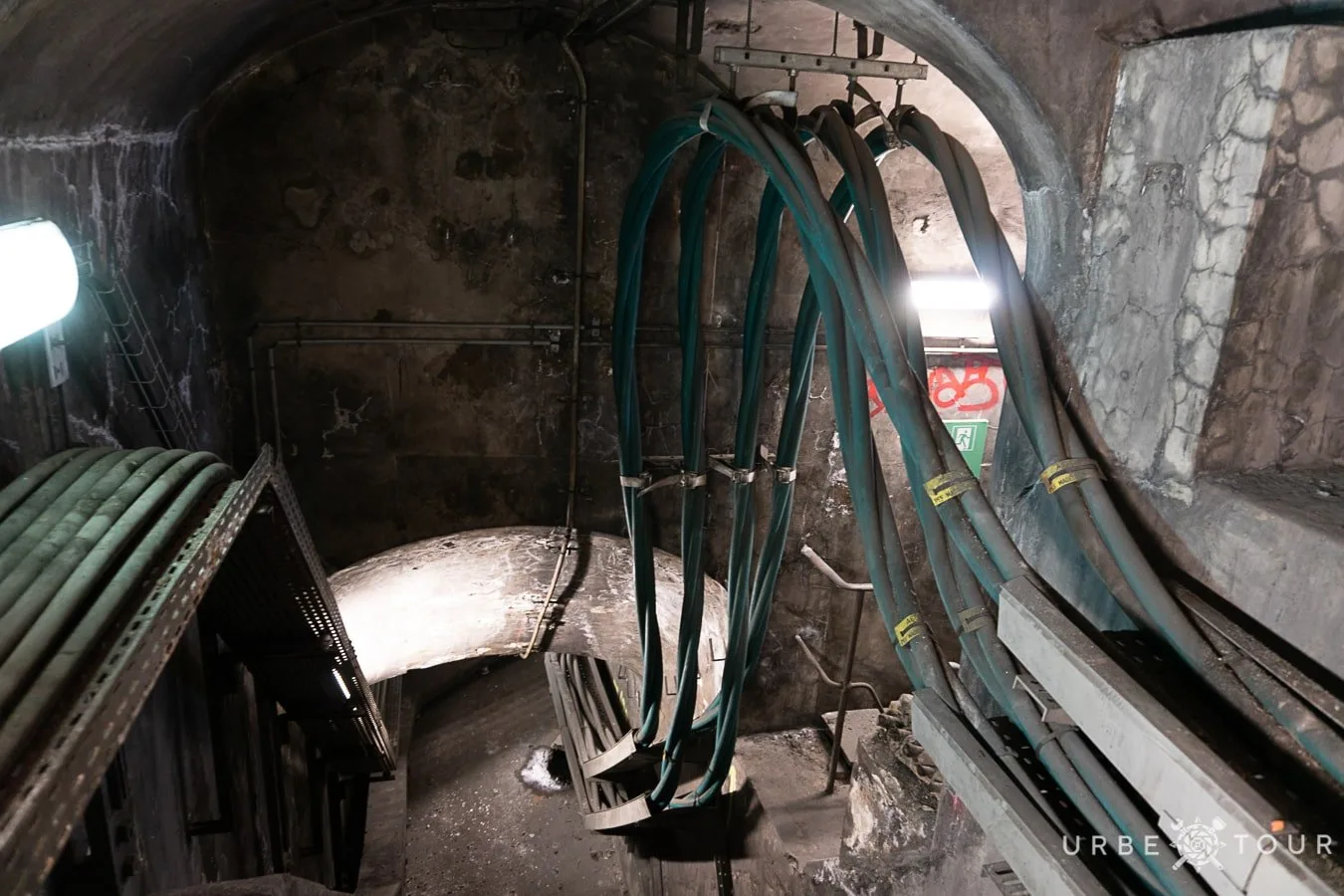
The cable tunnels rise and fall, winding around the lines.
After a good long walk, we found a way out of the cable tunnels. Our goal for the day was now so close! We came out onto one of the lines, near the intersection.
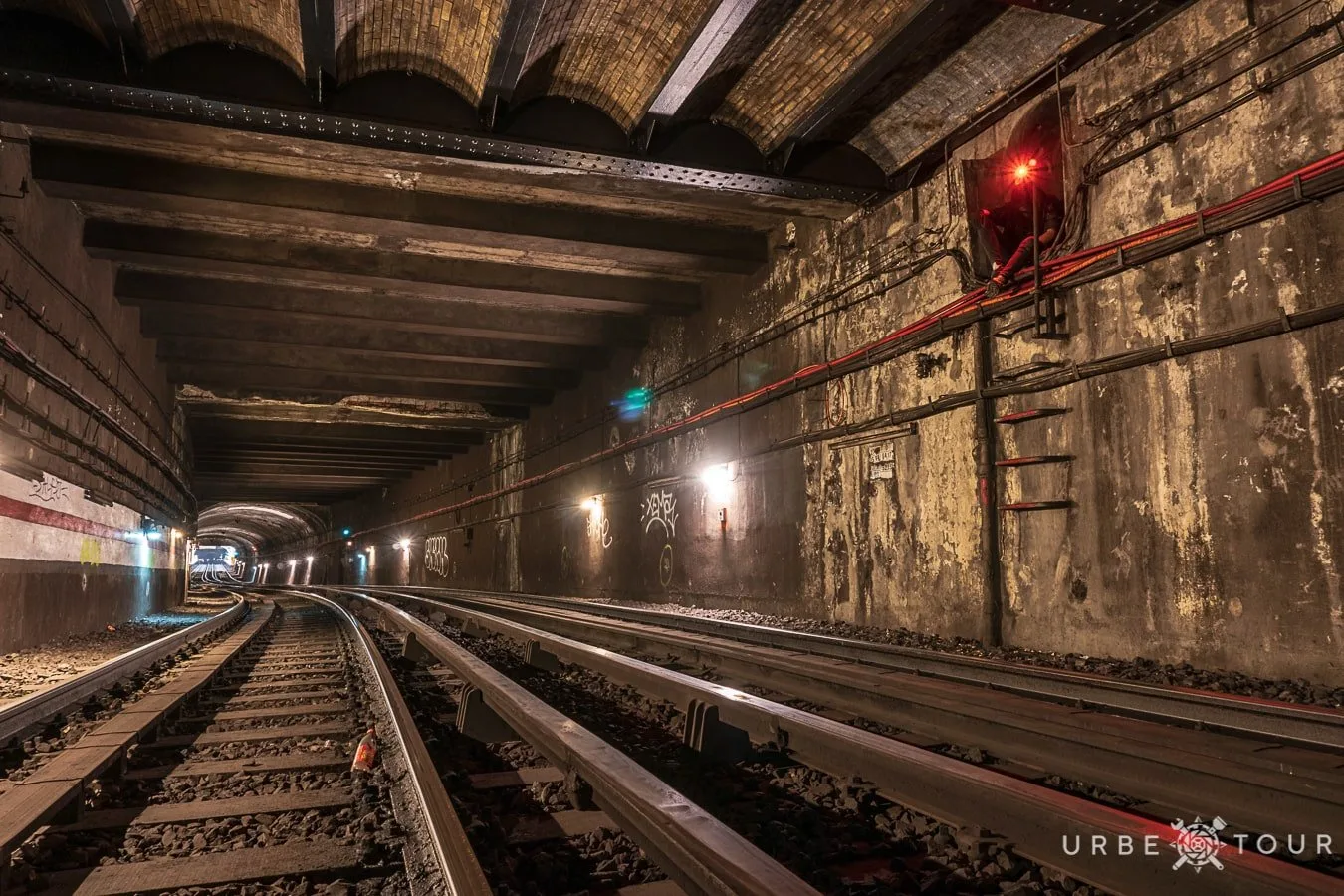
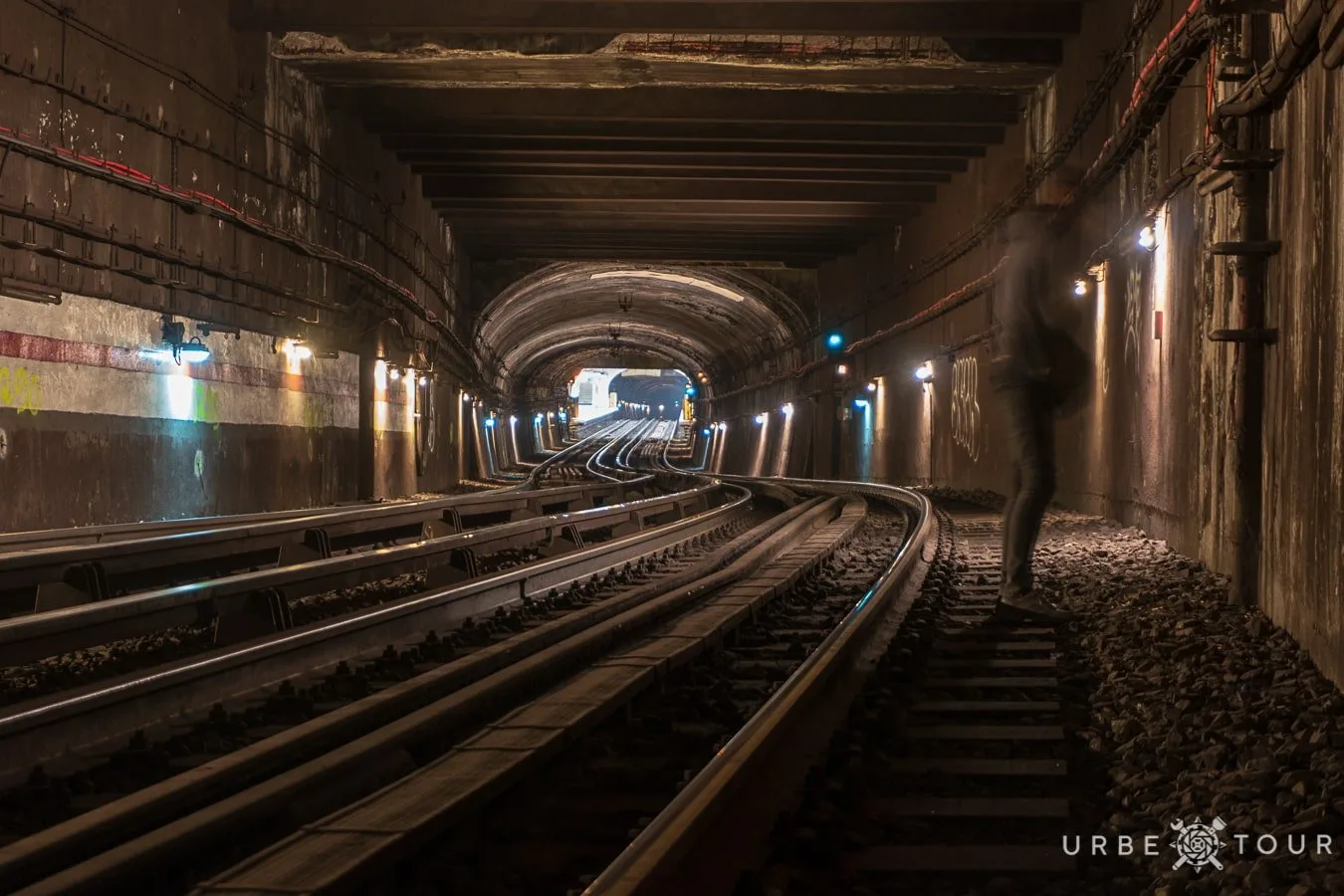
The stations and tunnels are well lit at night.
Exciting Urbex Travel To Kyiv with real stalkers! Listen to historical stories and explore hidden places!
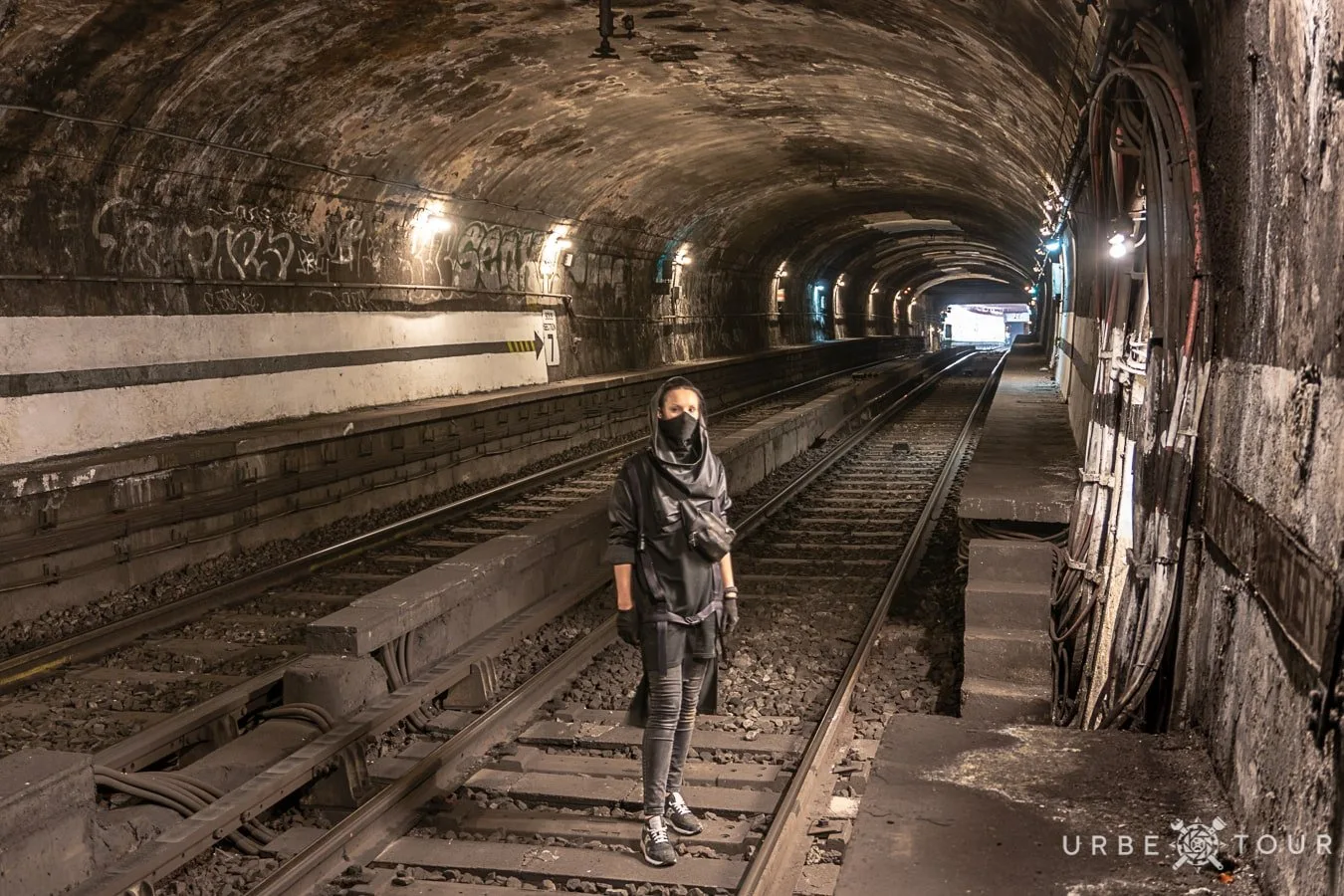
A few minutes later, we reached the riveted bridges — the remarkable place we had been looking for.
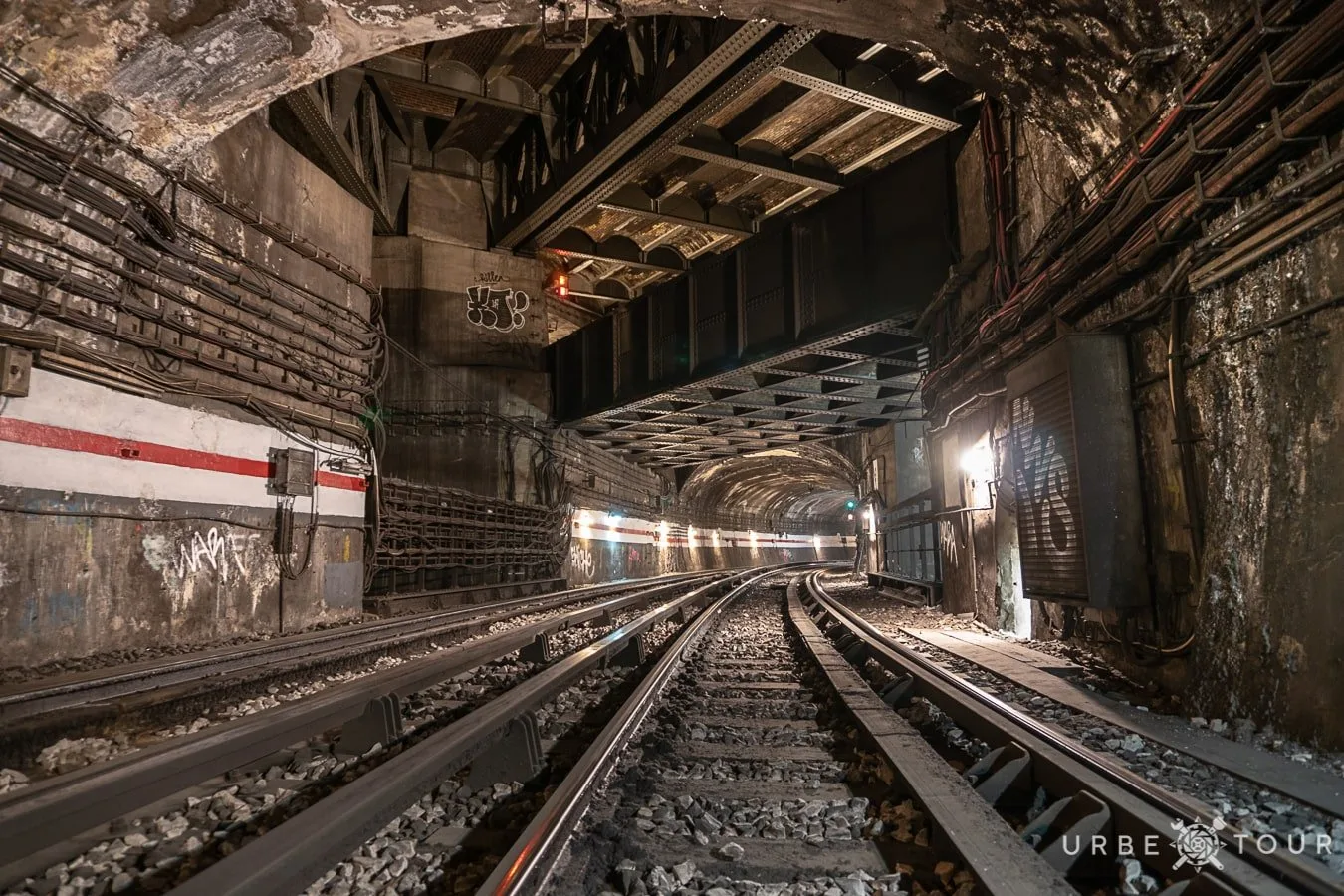
So why is this place so unique? During the construction of the metro in 1903, some of the work had to be carried out on an existing, operating line. This is a difficult task, and although it has been done in other cities as well, each solution is different, and this was one of the first of its kind. The head of Public Works, Léon Chagnaud, proposed a way to avoid halting traffic on the line: an underground, multi-level intersection of the lines within a single shaft. According to the plan, the shaft was positioned right in the very center of the square.
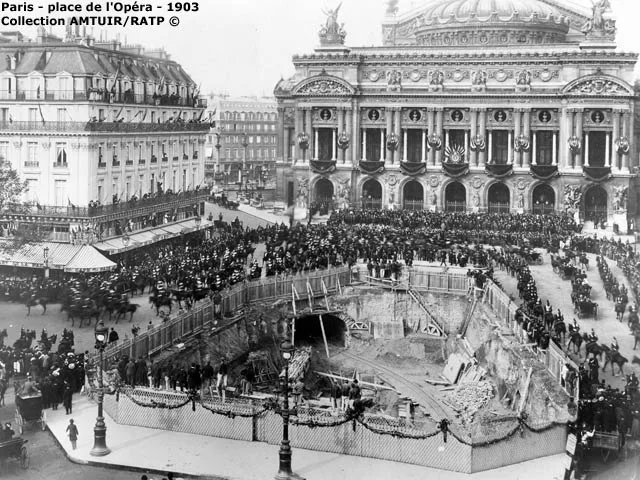
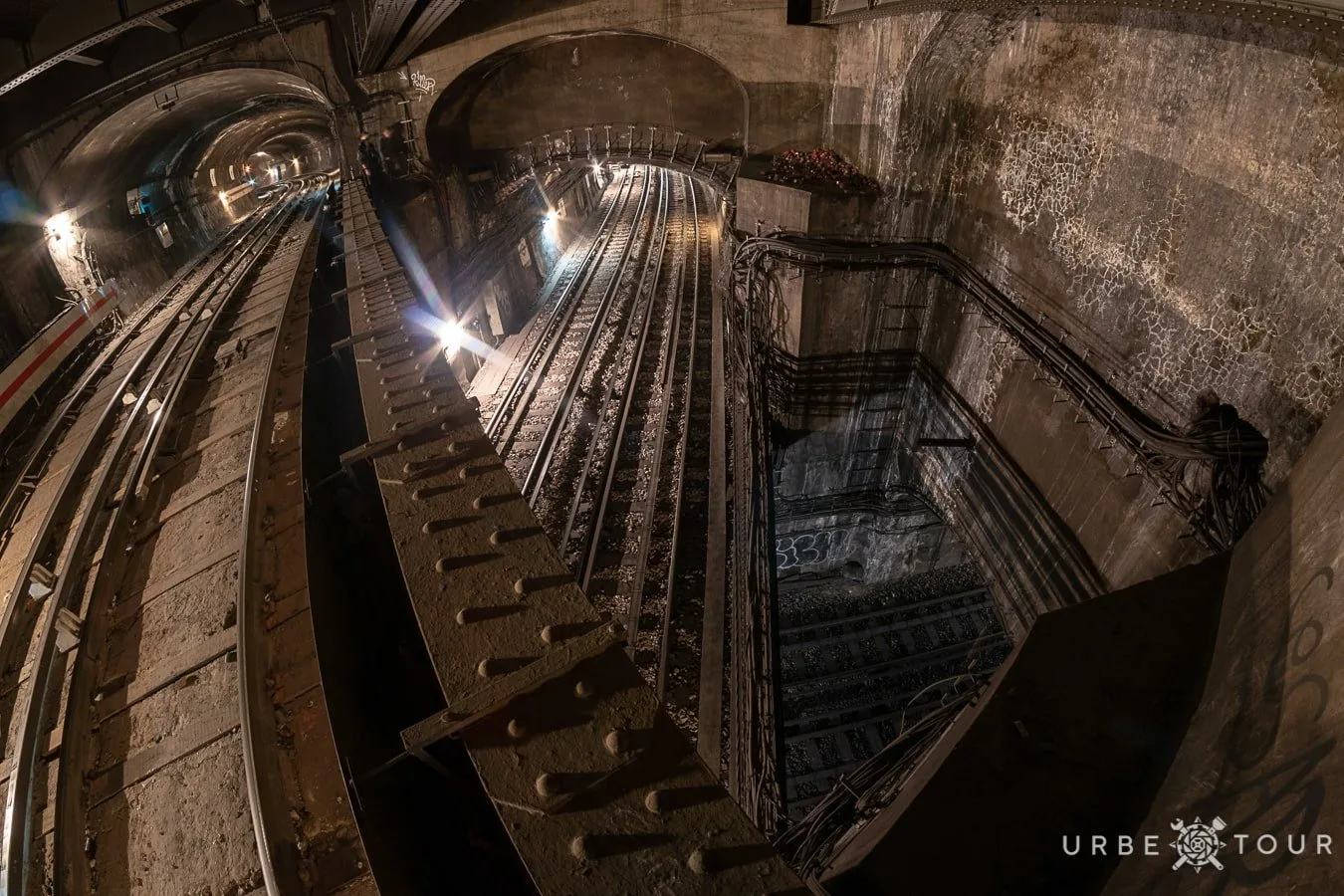
The chamber was to be 20 meters deep. The tracks of the eighth and deepest line were to sit 16 meters below ground.
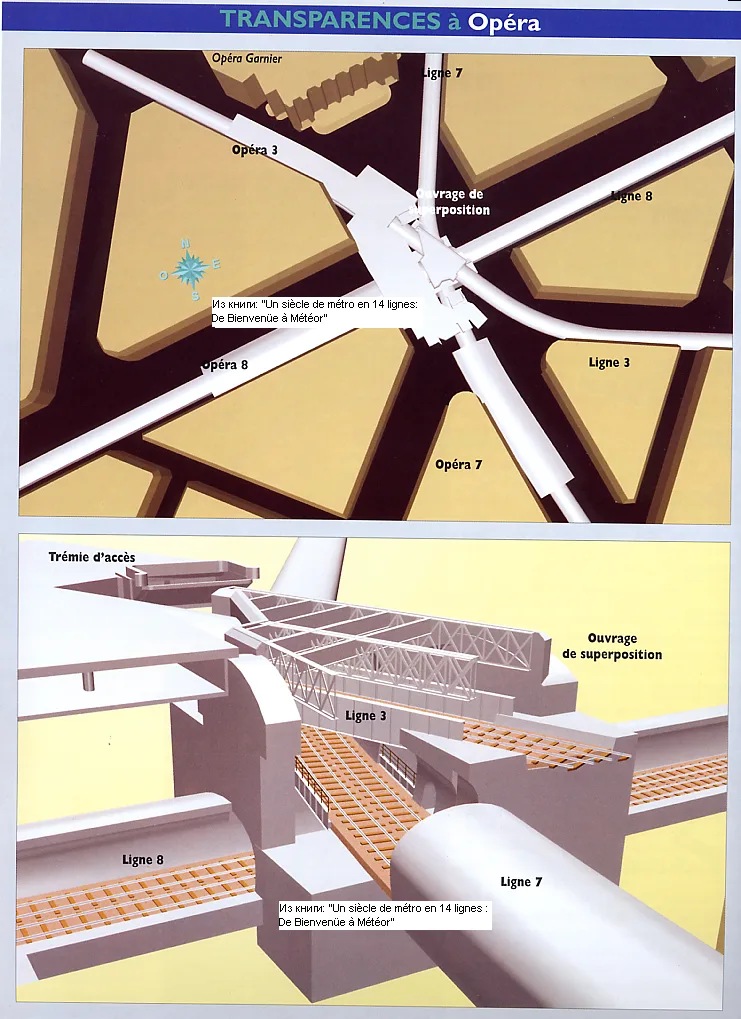
The shaft is shaped like a three-sided “box”. The top of the shaft is a metal truss made up of 5 main beams. They are supported by small brick arches right beneath the roadway of the Opera Square.
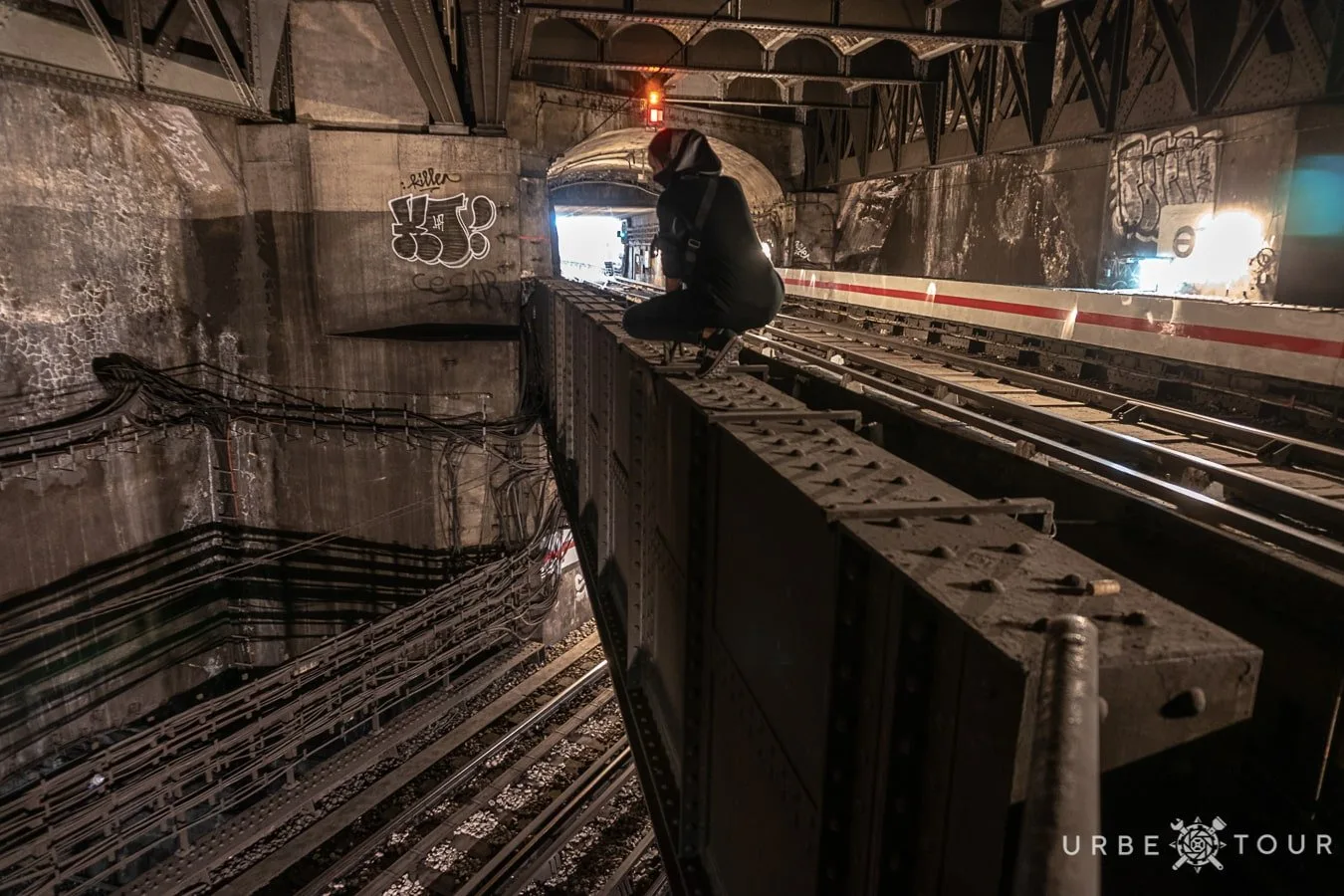
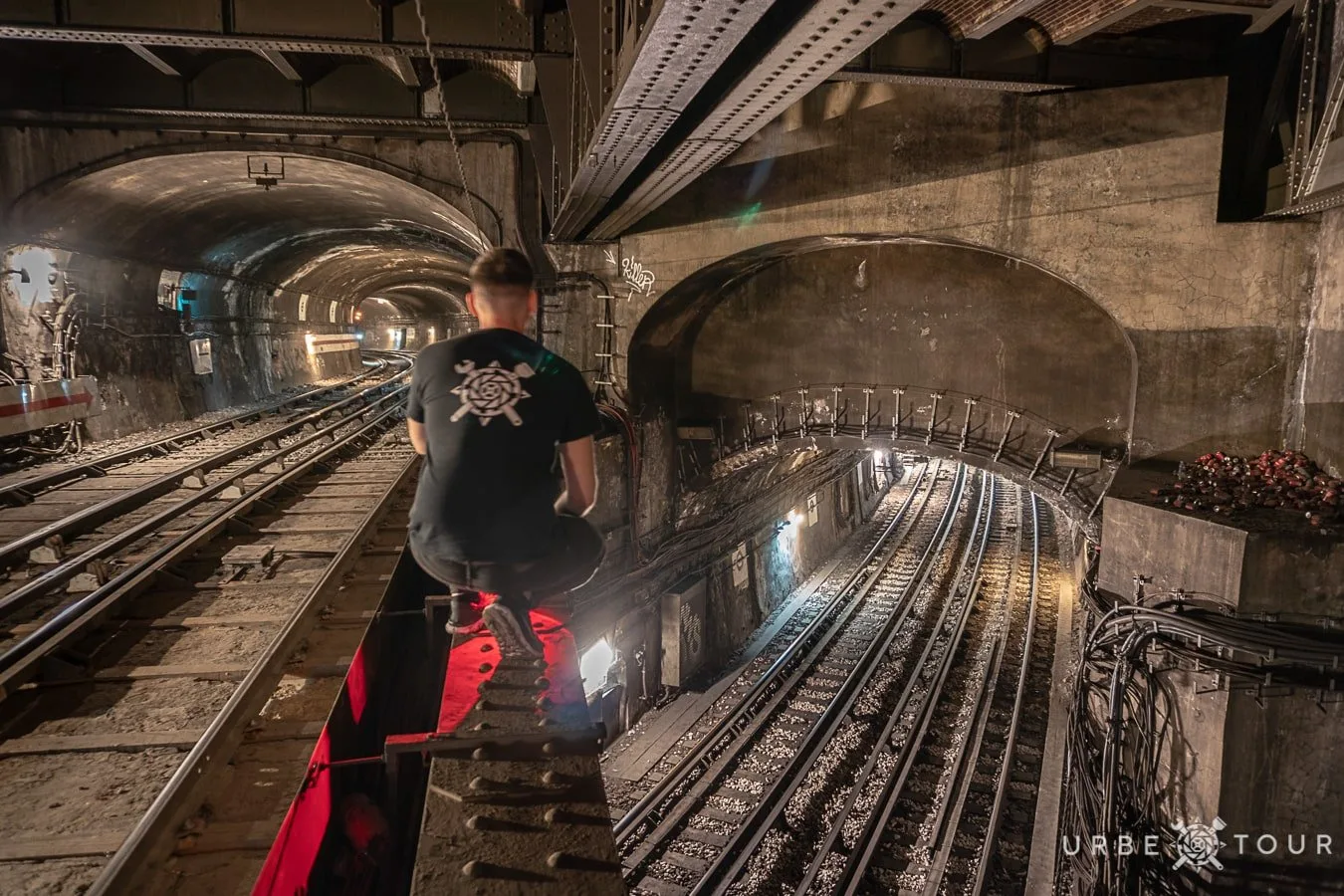
The Opera metro station is just a few hundred meters away.
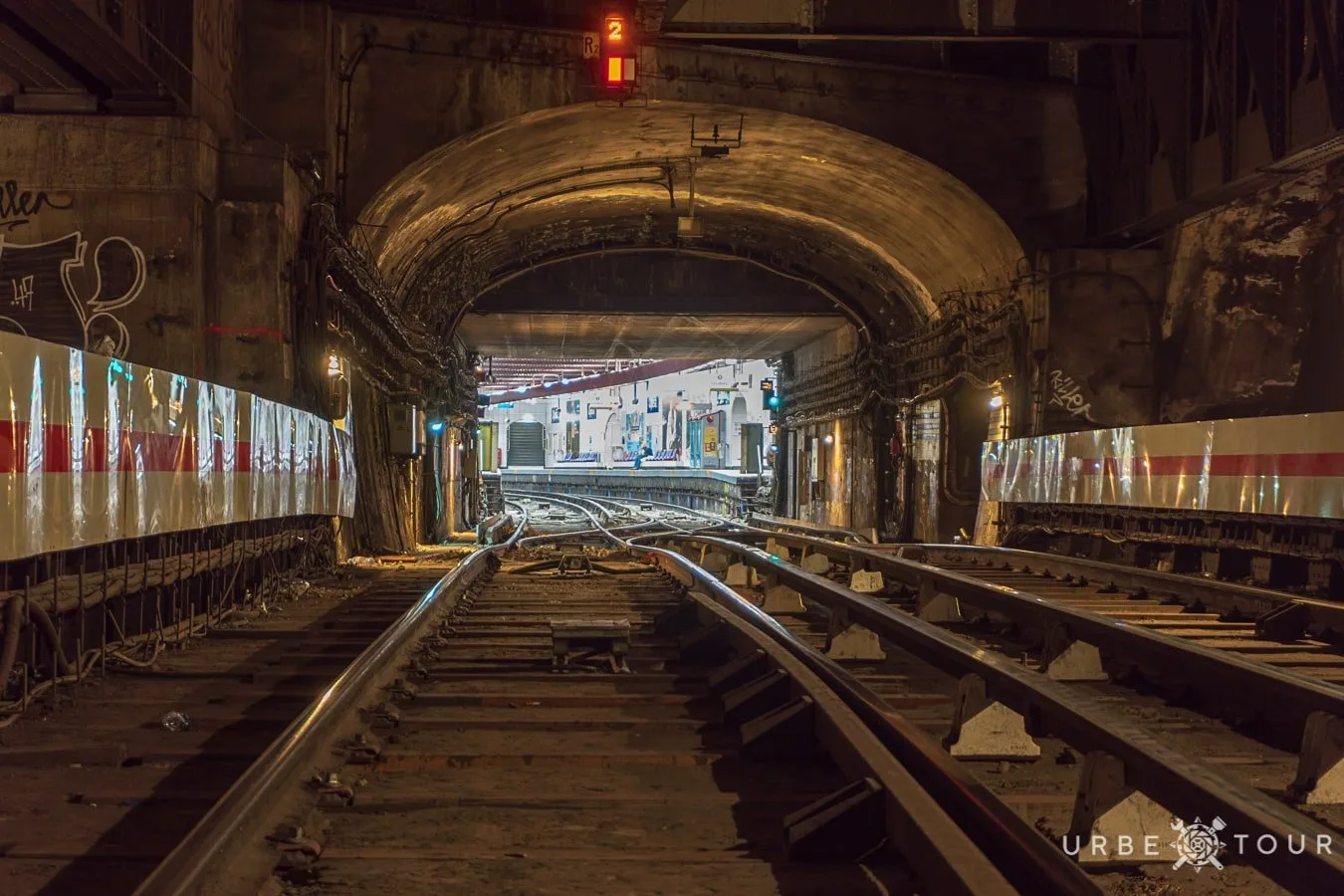
Without waiting for the metro to start running, we headed toward the exit. Our night was coming to an end, but more adventures were waiting for us!
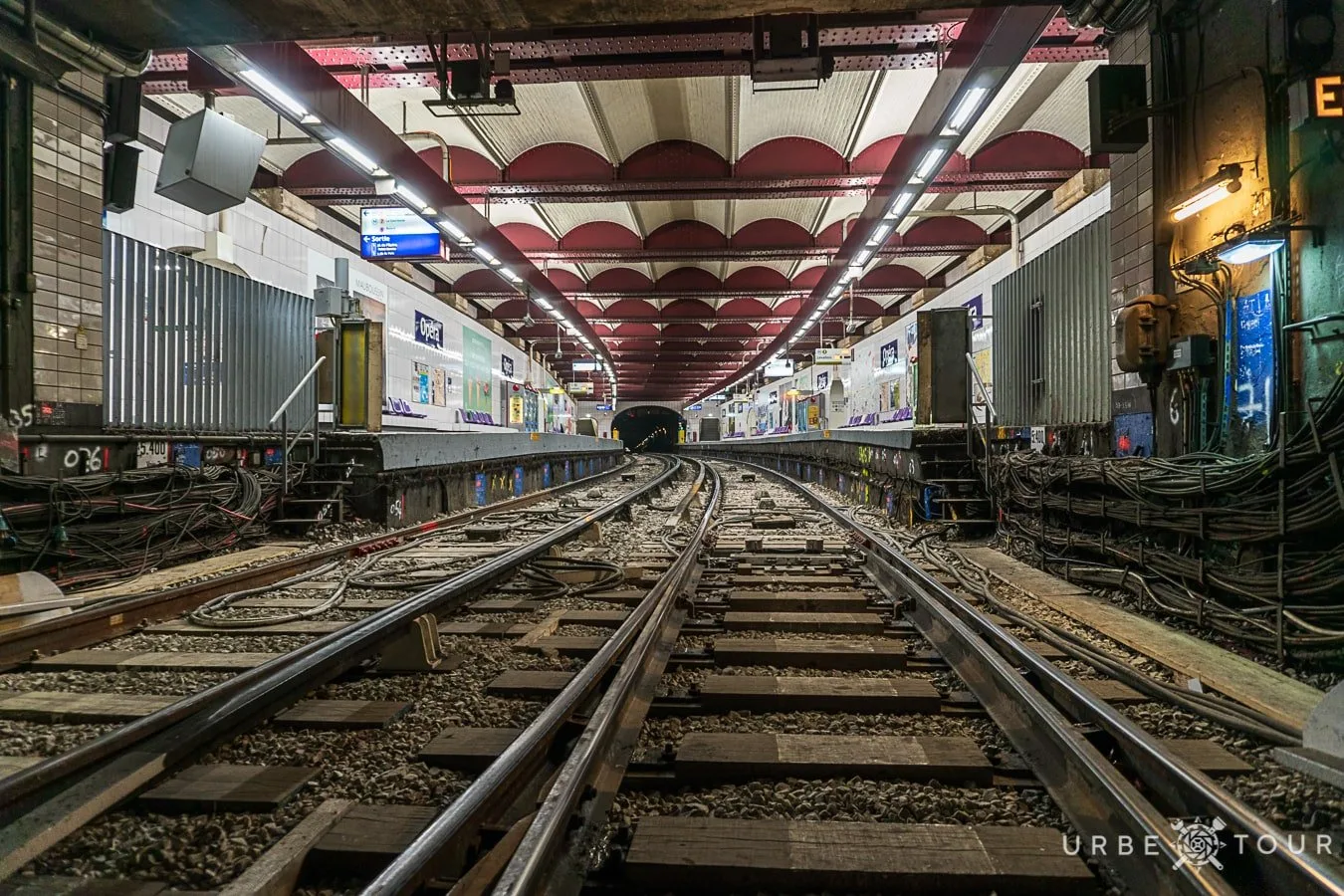
We’ll be back soon with a more detailed story about one of the abandoned metro stations in Paris. Subscribe to our blog and follow our Facebook and Instagram accounts. If you would like to come and explore these tunnels with us, contact us by e-mail at info@urbextour.com
The best urbex adventures we can take you on are in Ukraine. Join our Kiev Urbex Tour group and we will take you through underground tunnels and abandoned bunkers.
Wow, what interesting places can sign up for you? I’m going to come to Kiev in the winter, and will rent a room here — https://www.phnr.com/en — (the hotel is the closest to the center of Kiev). Go far to you?