
Year after year, the number of urbex tourists grows twofold. The urbextour.com team offers you a rating of the most interesting and impressive places for urban exploration tourism in the world.
- Ukraine: Chernobyl Zone and Kyiv Underground Urbex Tours
- Japan: Fukushima Zone and Hashima Island
- Kazakhstan: Baikonur Cosmodrome and Rebirth Island
- Romania: Buzludzha – Abandoned Communist Palace
- France: Paris Catacombs and Abandoned Metro Stations
- Albania: Gajer Airbase, Submarine Base and Polican Plant
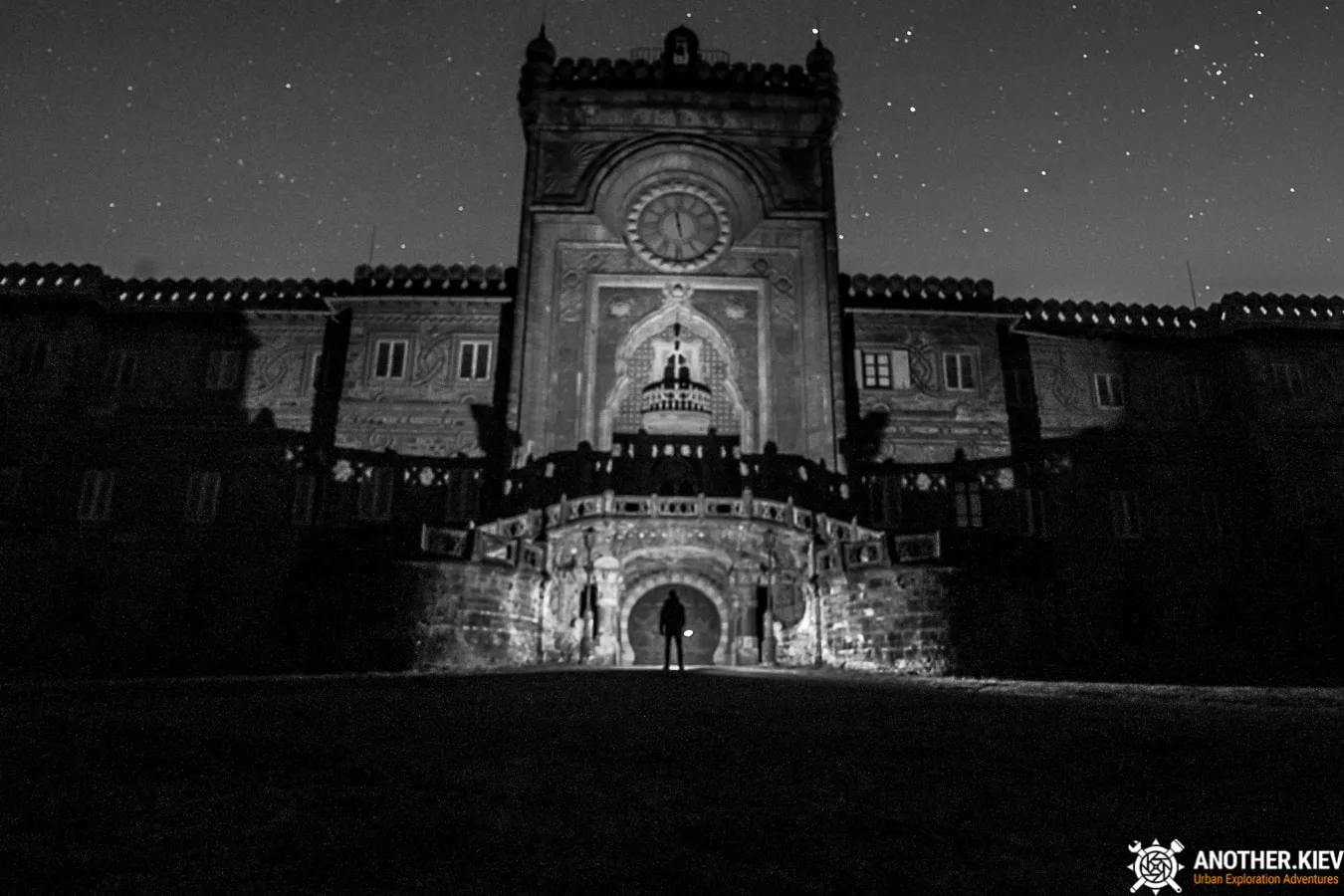
- Italy: Sommerzano Castle and Sorrento Mill
UKRAINE: Chernobyl Zone
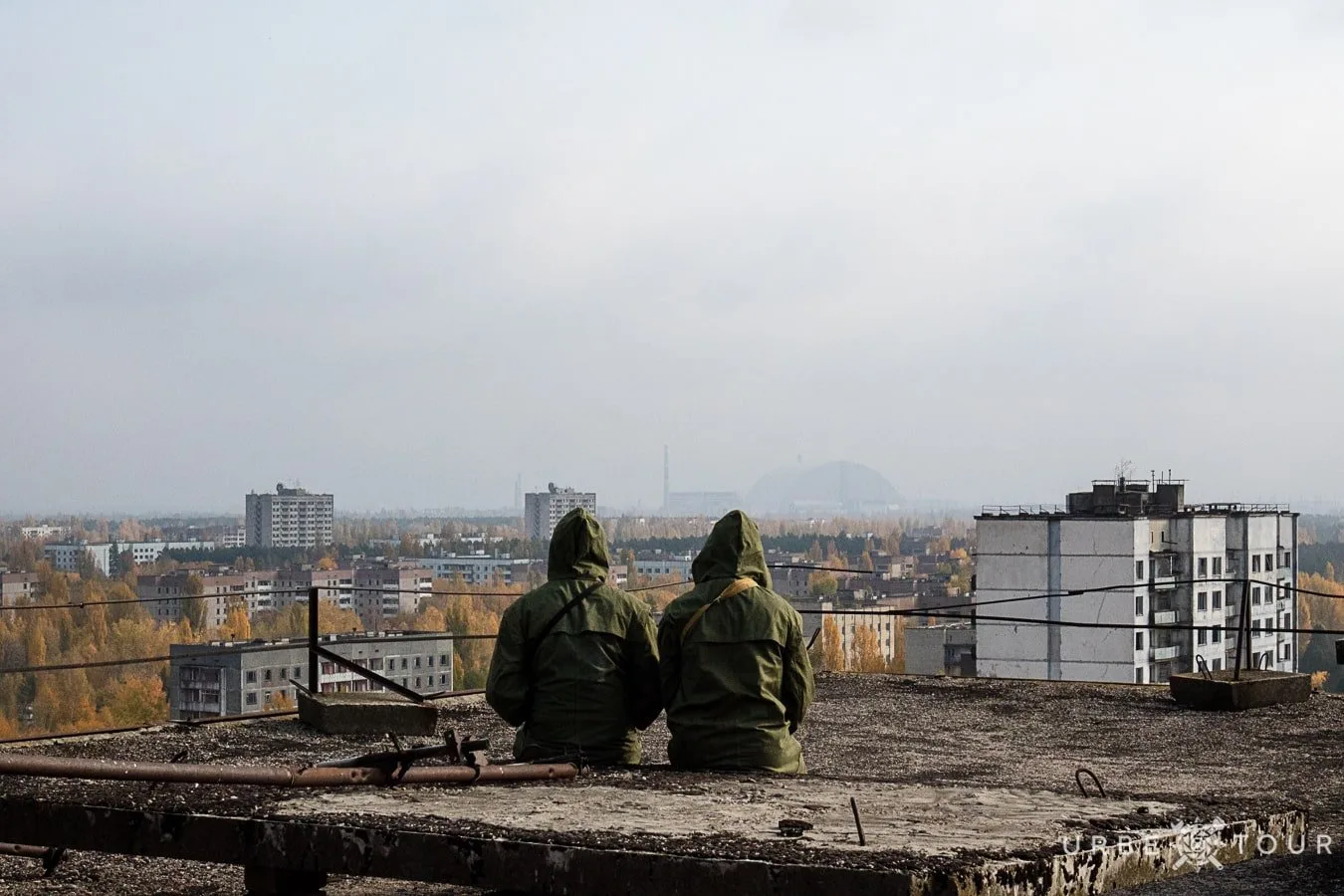
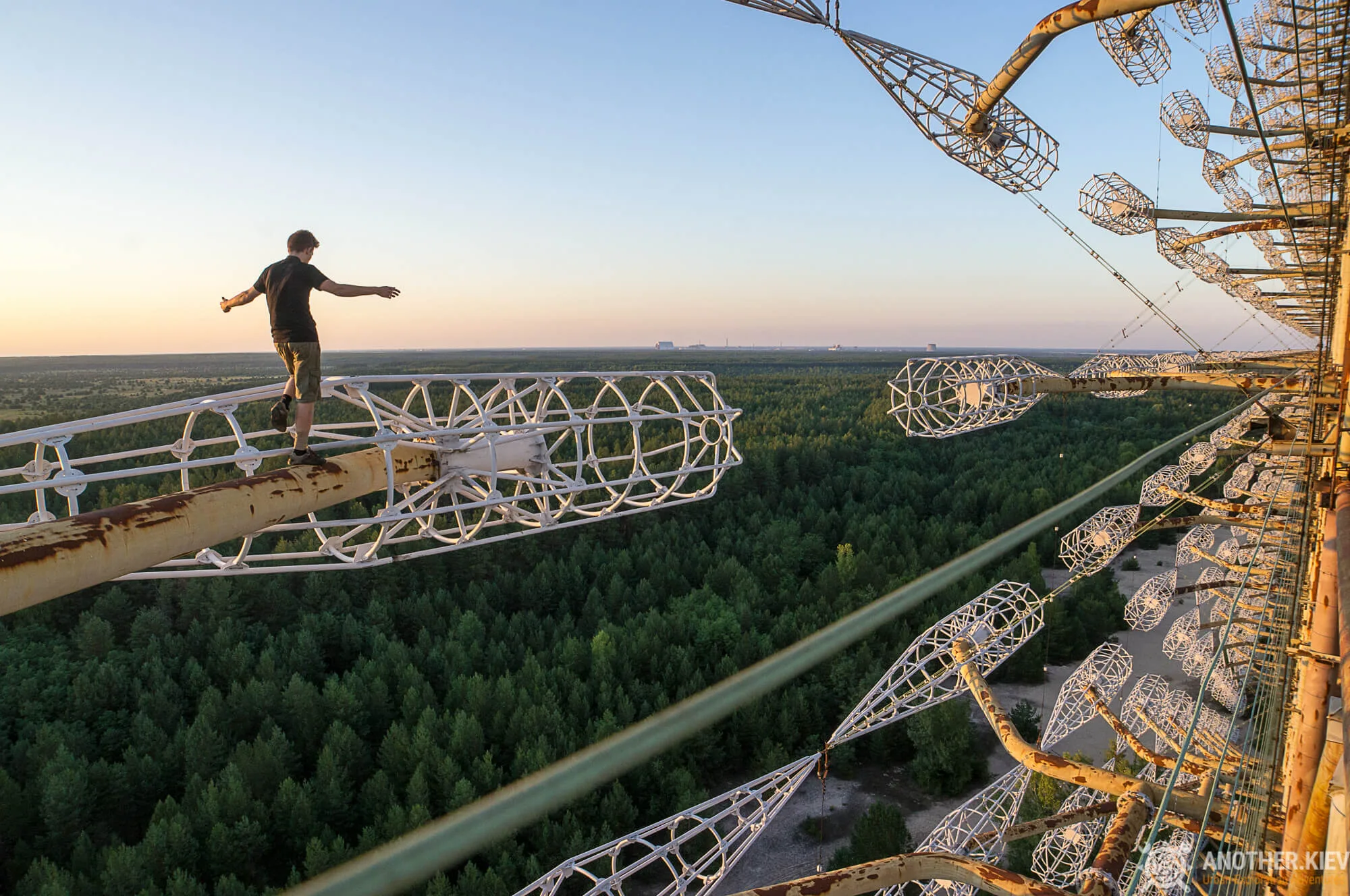
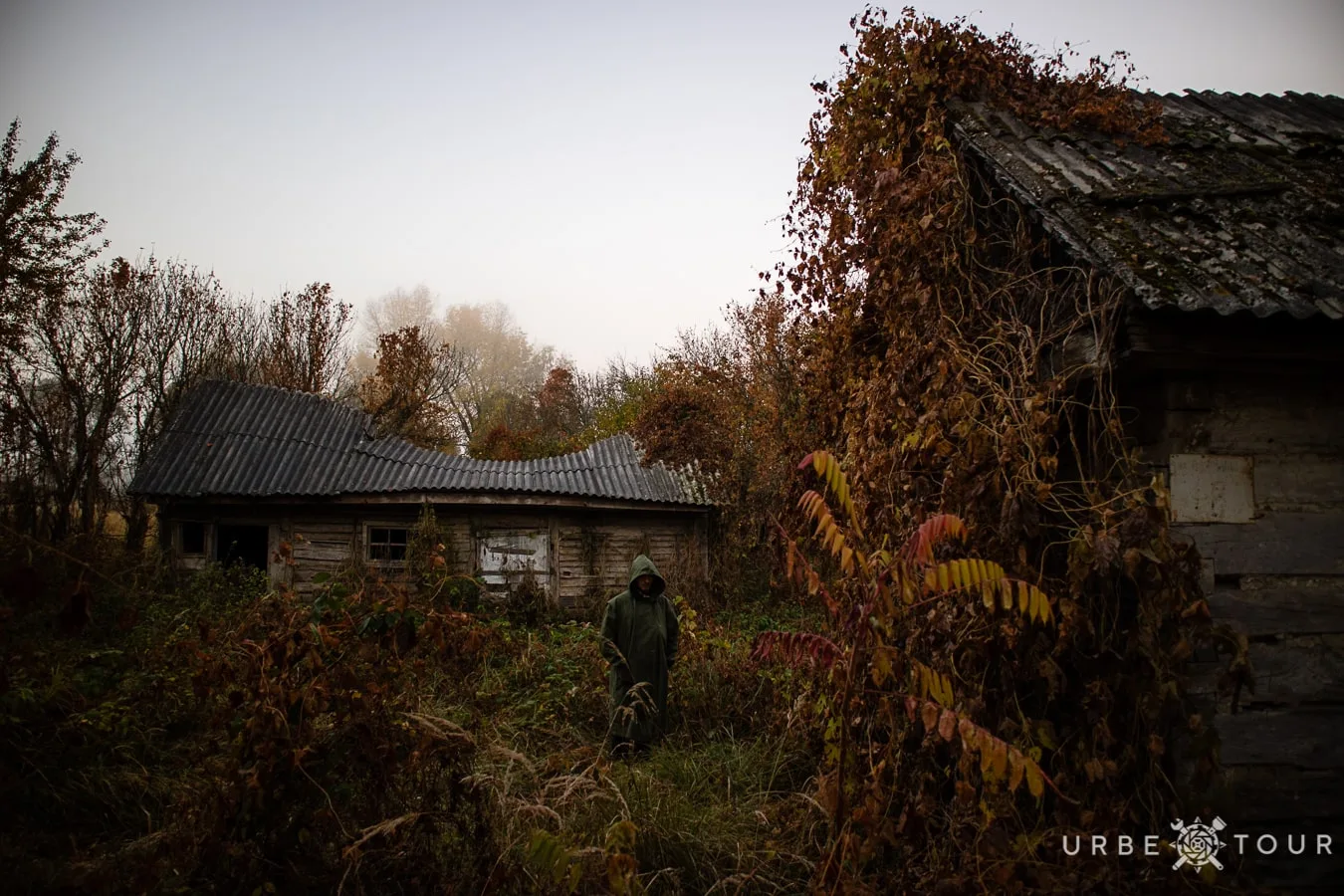
Chernobyl is one of the most accessible and impressive places for urban exploration in the world. The territory around the Chernobyl Power Plant was once polluted, but today the radiation level there is safe. Now, the abandoned ghost town of Pripyat, the Chernobyl-2 military unit, and deserted villages attract hundreds of thousands of tourists from all over the world.
To immerse yourself in this post-apocalyptic world without people, you should explore the Chernobyl Exclusion Zone in the company of an urbex guide.
UKRAINE: Exploring Kyiv Undergrounds
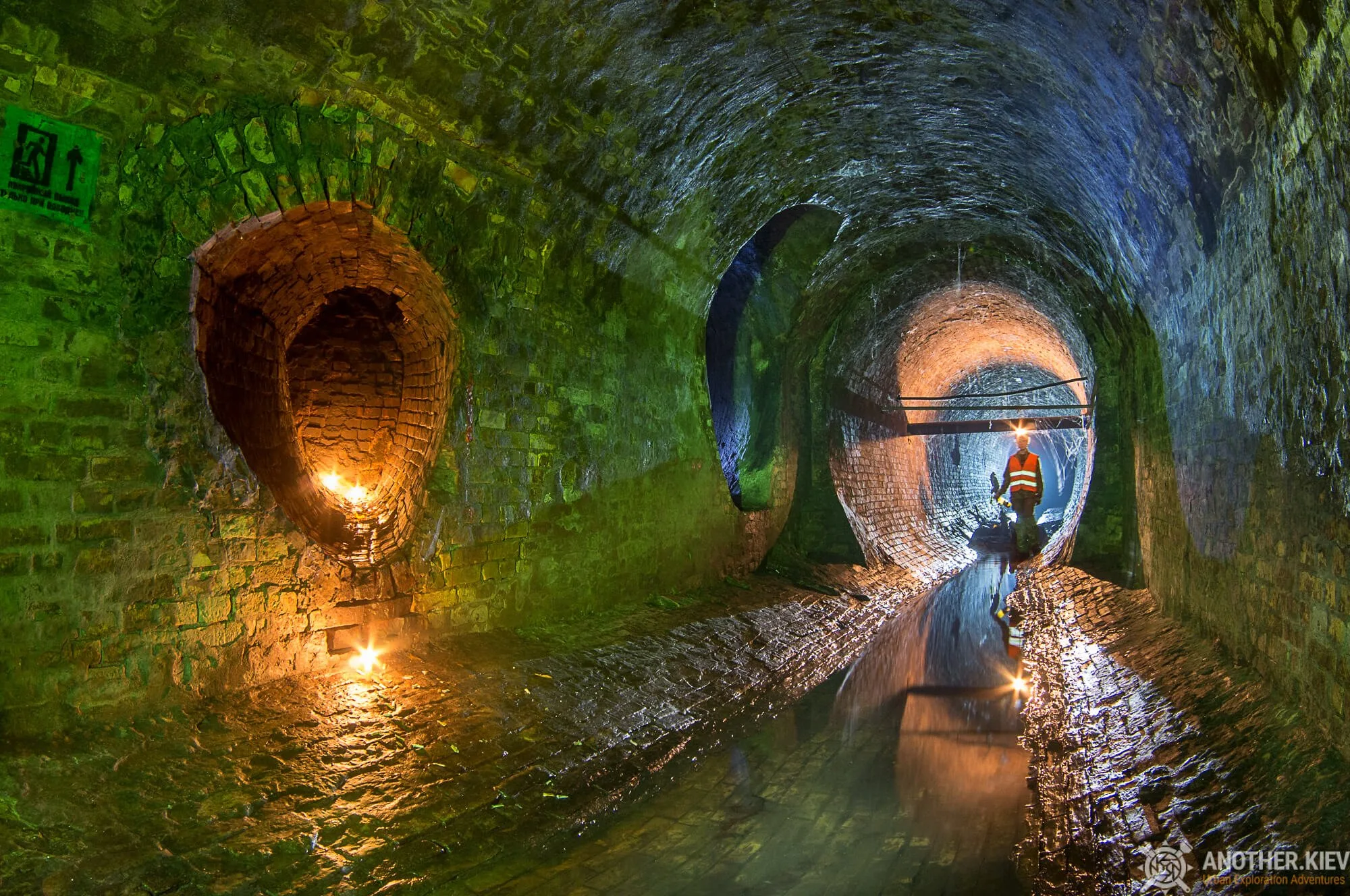
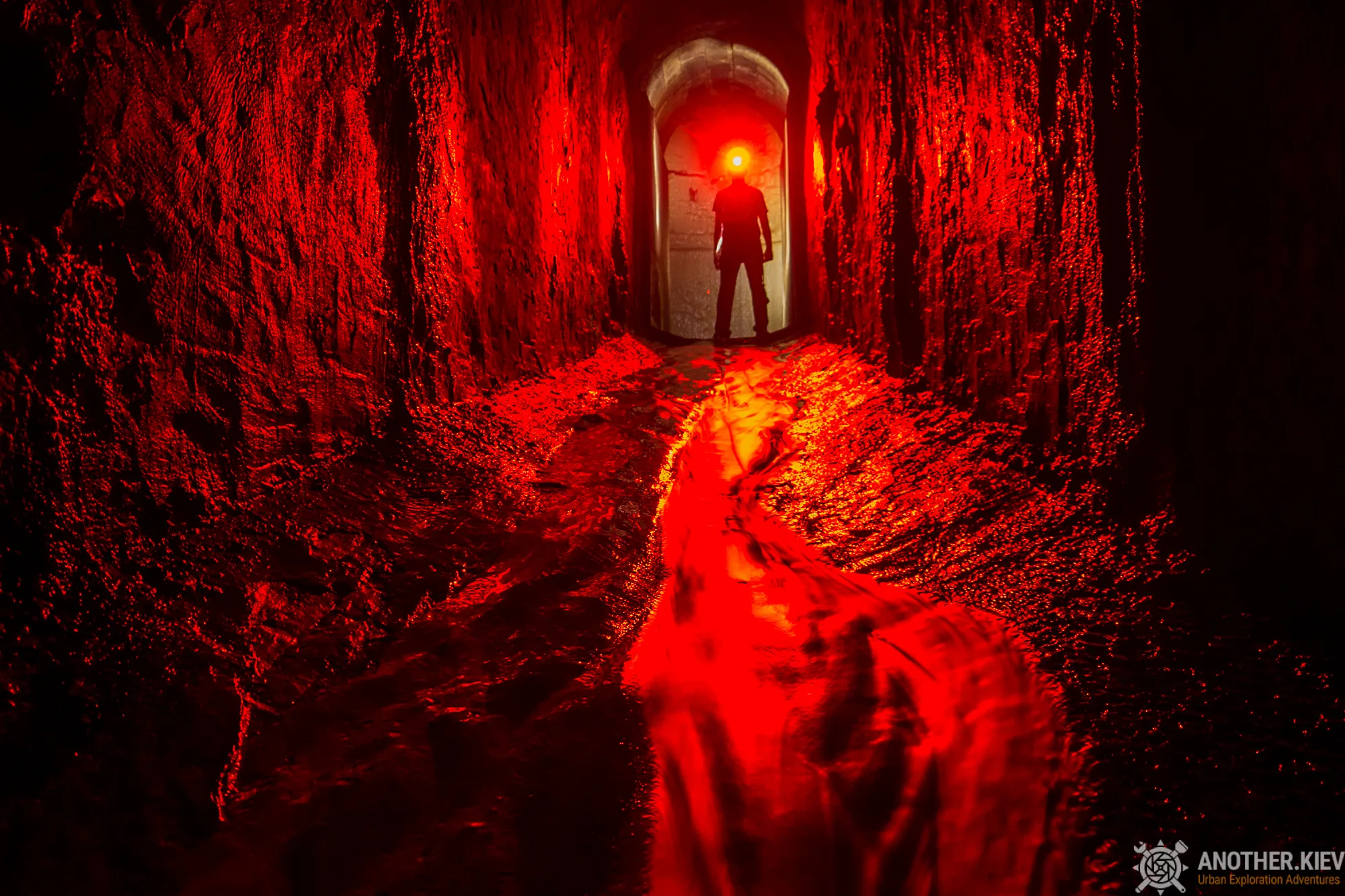
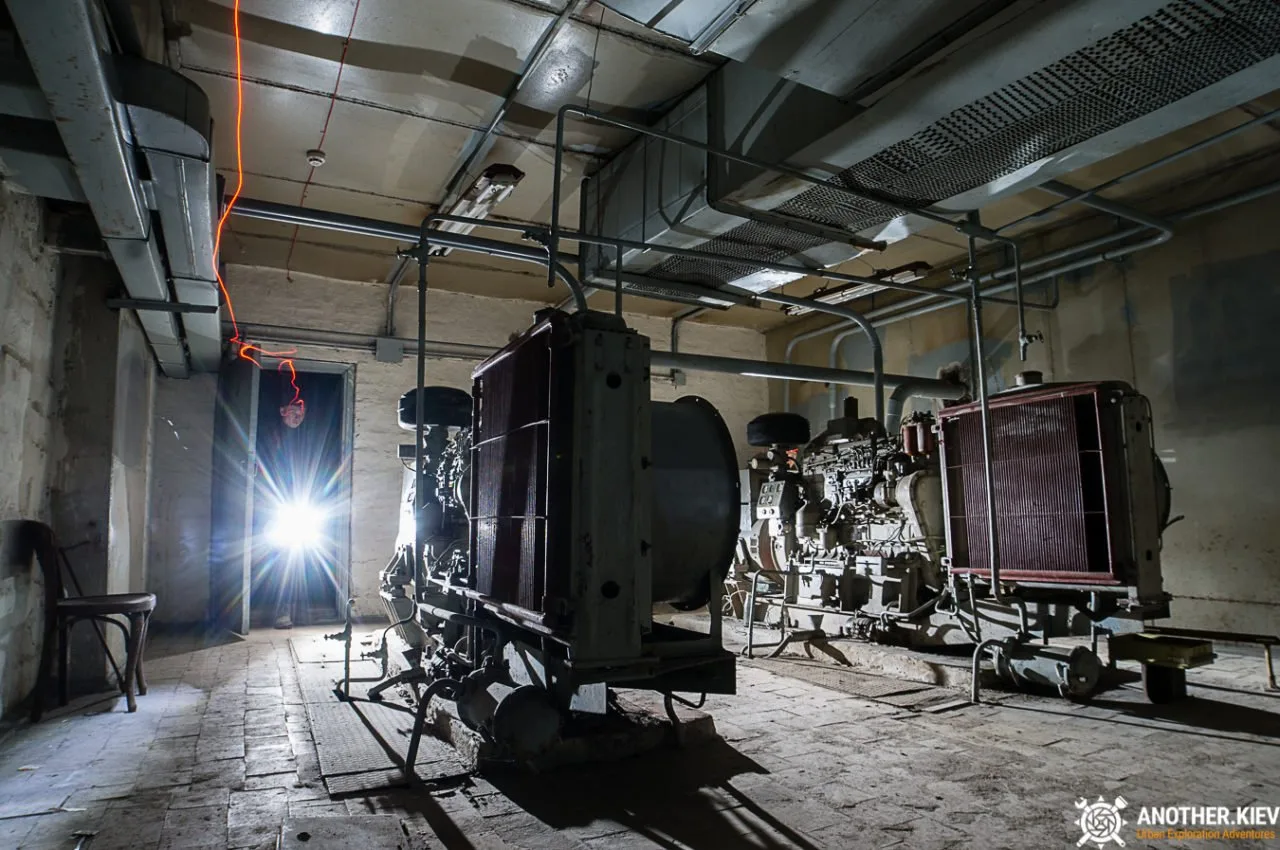
Kyiv is a capital of urban exploration. Its hilly terrain has served as a home for an extensive underground tunnel system. Underground rivers and a labyrinth of drainage tunnels run up to 60 meters deep beneath the Ukrainian capital.
Another hidden side of Kyiv is a system of hundreds of fallout shelters built during the Cold War. This abundance of places for urban tourism makes Kyiv the capital of urbex.
JAPAN: Fukushima Red Zone
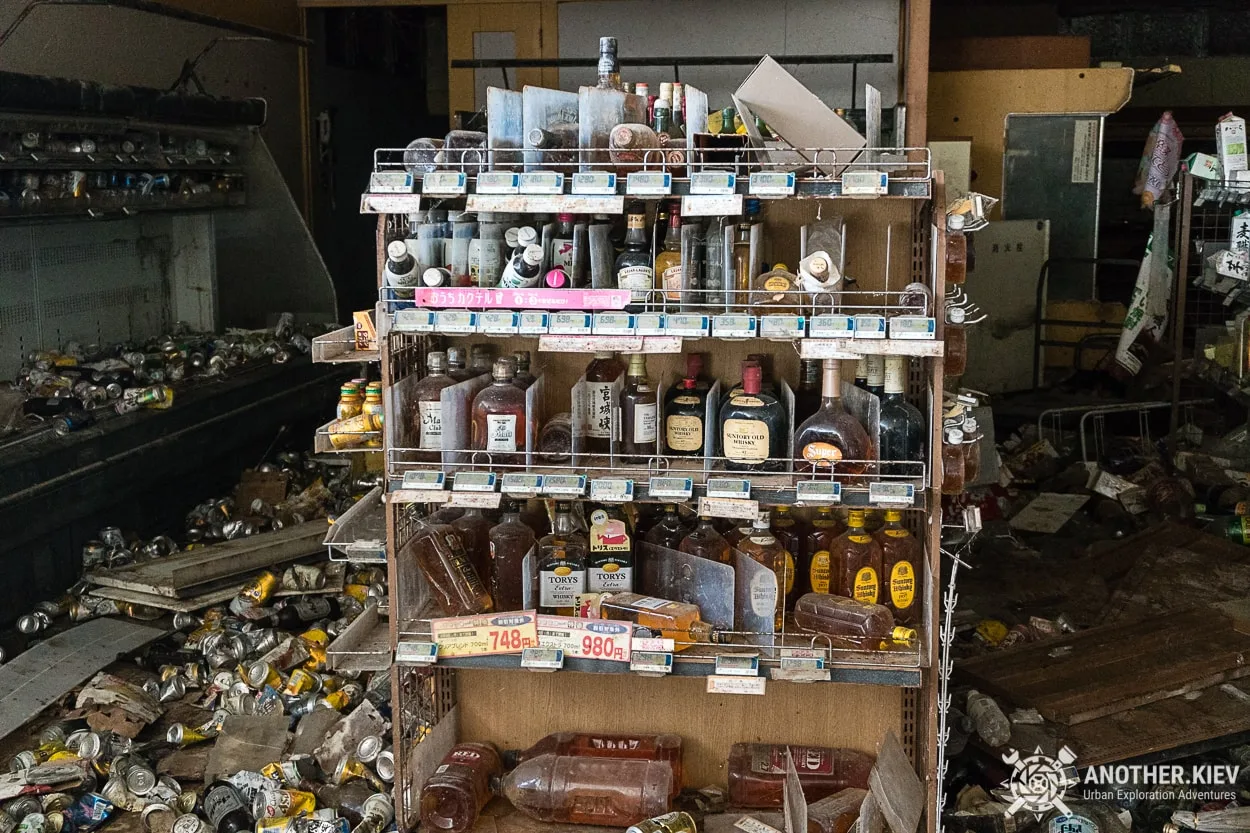
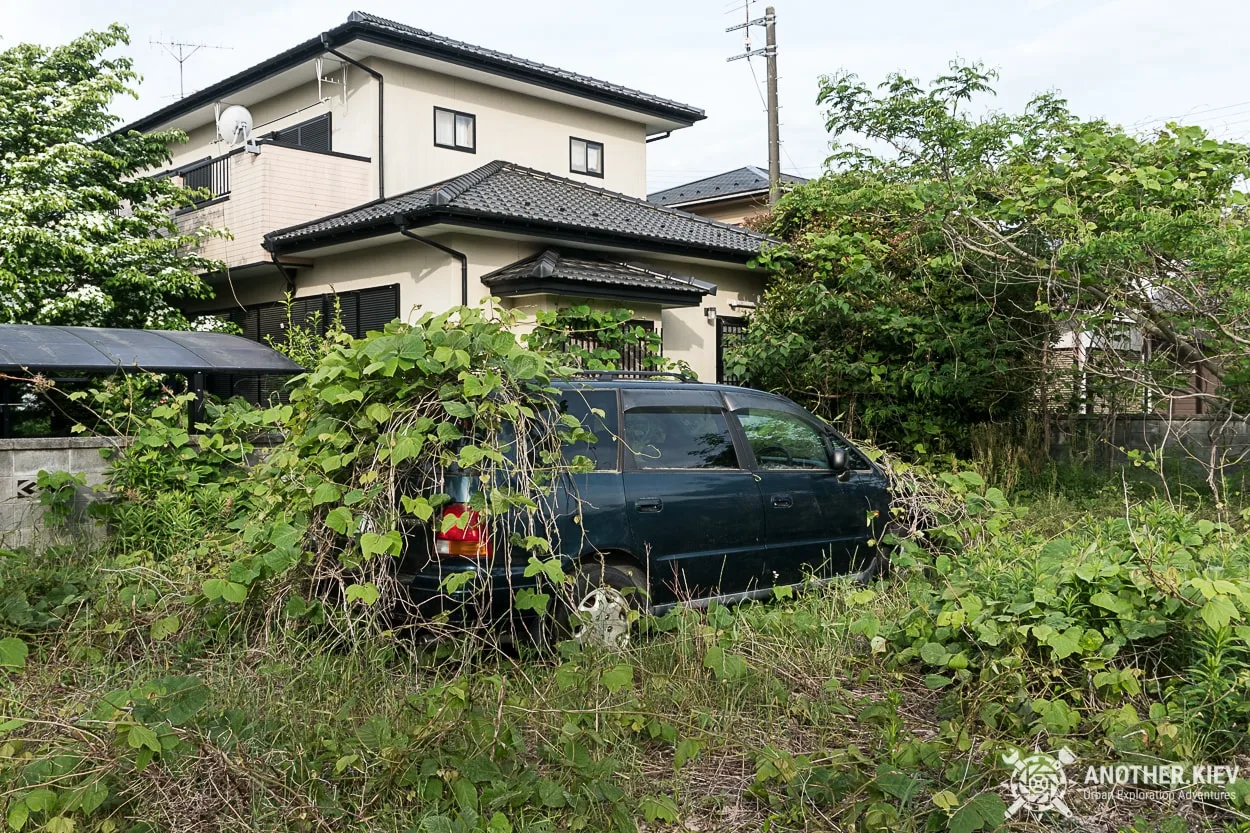
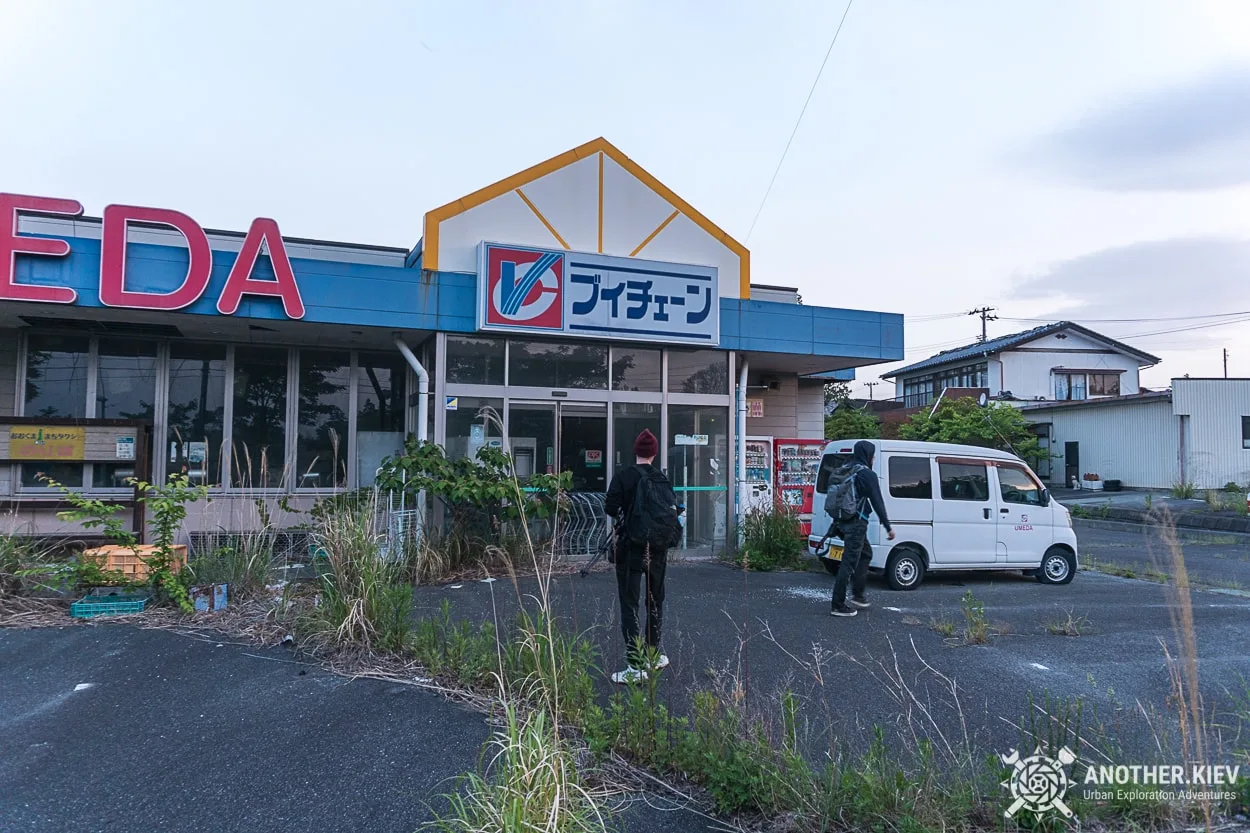
After the accident at the Fukushima-1 nuclear power plant, more than 200,000 people were evacuated from the radioactive contamination zone. People simply abandoned all their belongings and left. Entire cities were plunged into darkness. To this day, entry into the red exclusion zone around the Fukushima-1 nuclear power plant is strictly forbidden, and the penalty for illegally entering the area is $2,000 per person. The perimeters are guarded by the police and the local squad, so everything inside the zone has remained untouched.
Read three stories about our expedition to this forbidden land. Links are under the slider.
JAPAN: Hashima Island
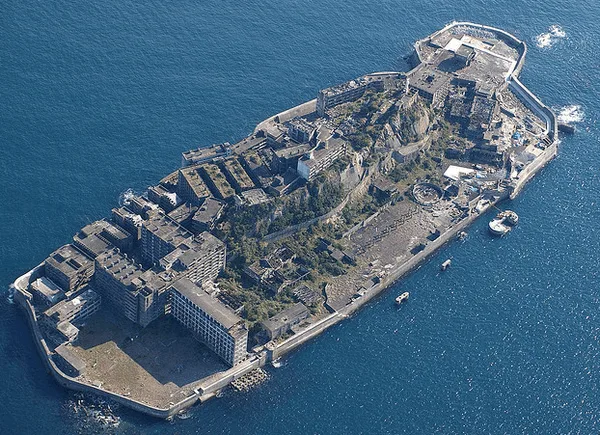
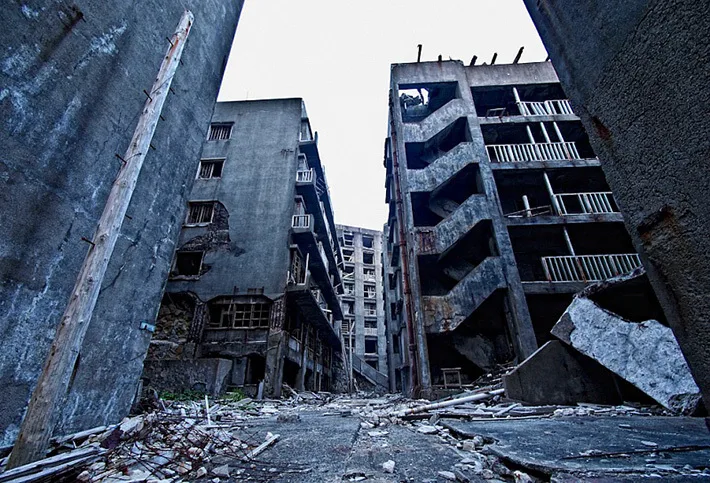
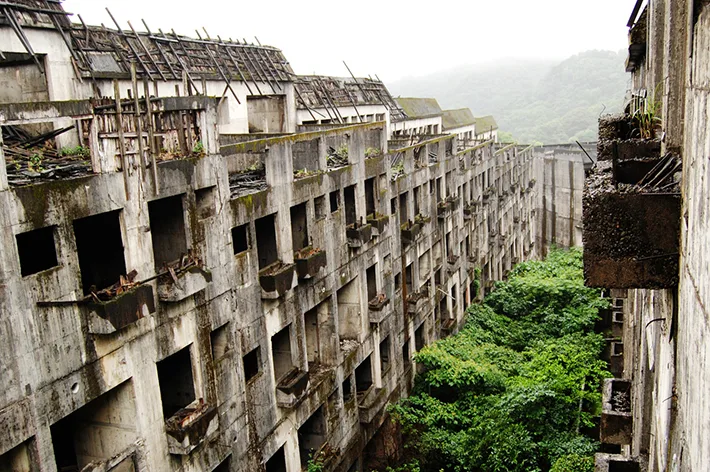
Just 15 kilometers from the infamous city of Nagasaki lies the real ghost island Hashima. Until 1974, Hashima was the most densely populated place on the planet, and its level of industrial development was extremely high. But then everything stopped and froze in time.
Today, some fishermen agree to take those who wish to feel the spirit of the ghost island there illegally. Thanks to such explorers, you can see Hashima from the inside, with the remnants of its past greatness. More than 40 years have passed, but the island still holds the echoes of an era when Mitsubishi built a real industrial paradise on a lifeless land. Nothing remains but the hope that this era will not turn to dust, buried on the ocean floor.
KAZAKHSTAN: Buran Tomb in Baikonur
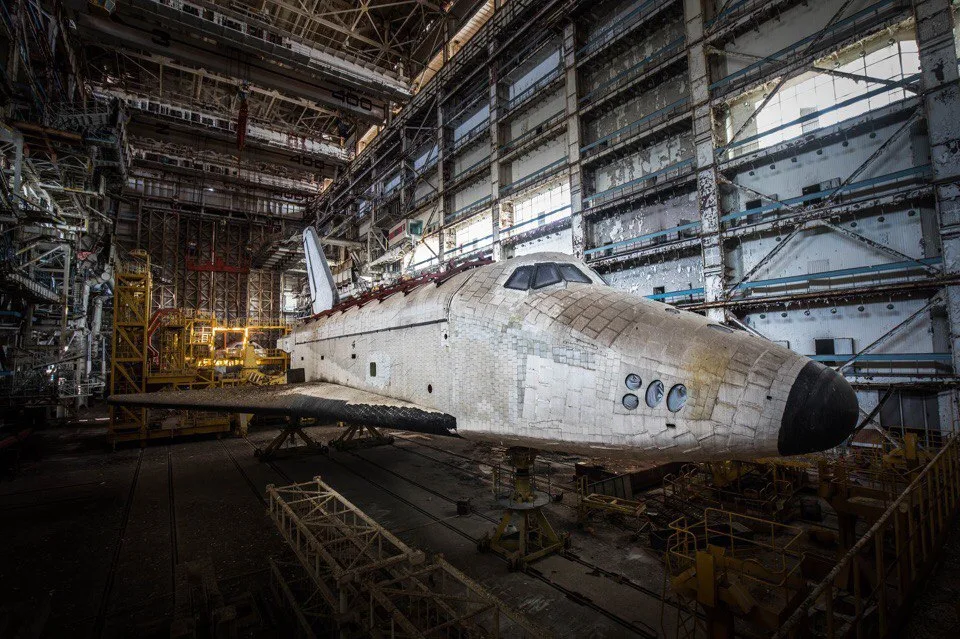
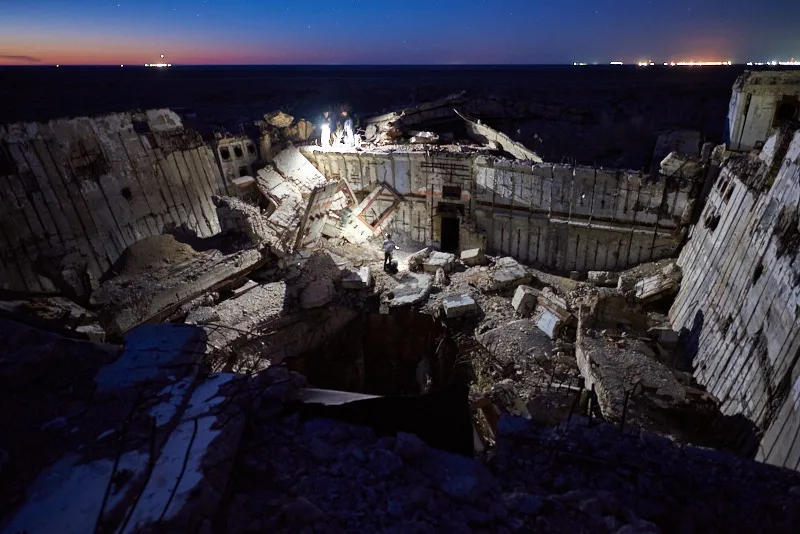
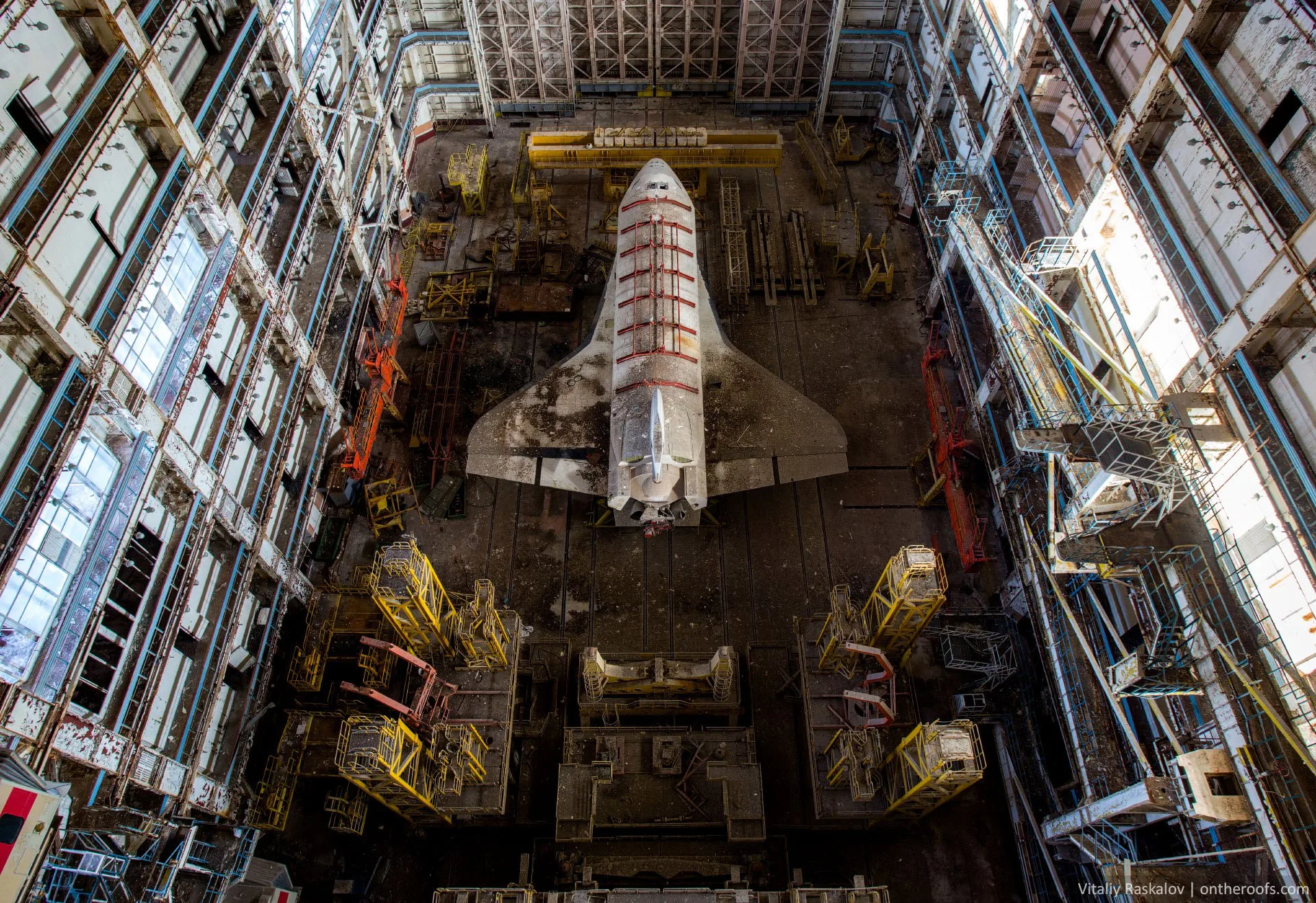
Kazakhstan is home to two of the most interesting places for urban exploration tourism. The Buran was the Soviet response to the space shuttle, designed to take the Cold War into space. But after just one flight, it was mothballed. Now, the ruins of what was called the Buran program are left to rust in the steppe of Kazakhstan.
Two shuttles and a rocket lie in disused hangars, not far from the launchpad of that first flight, at the Baikonur Cosmodrome. It’s an active spaceport about 1,500 miles southeast of Moscow, still used today to send astronauts to the International Space Station and retrieve them from it.
The site is not open to the public, but a few adventurers have mustered the courage to sneak in and take a look.
You can read the long-read story about our adventures in Baikonur in the article
Space Jam: Pizdetz in Baikonur
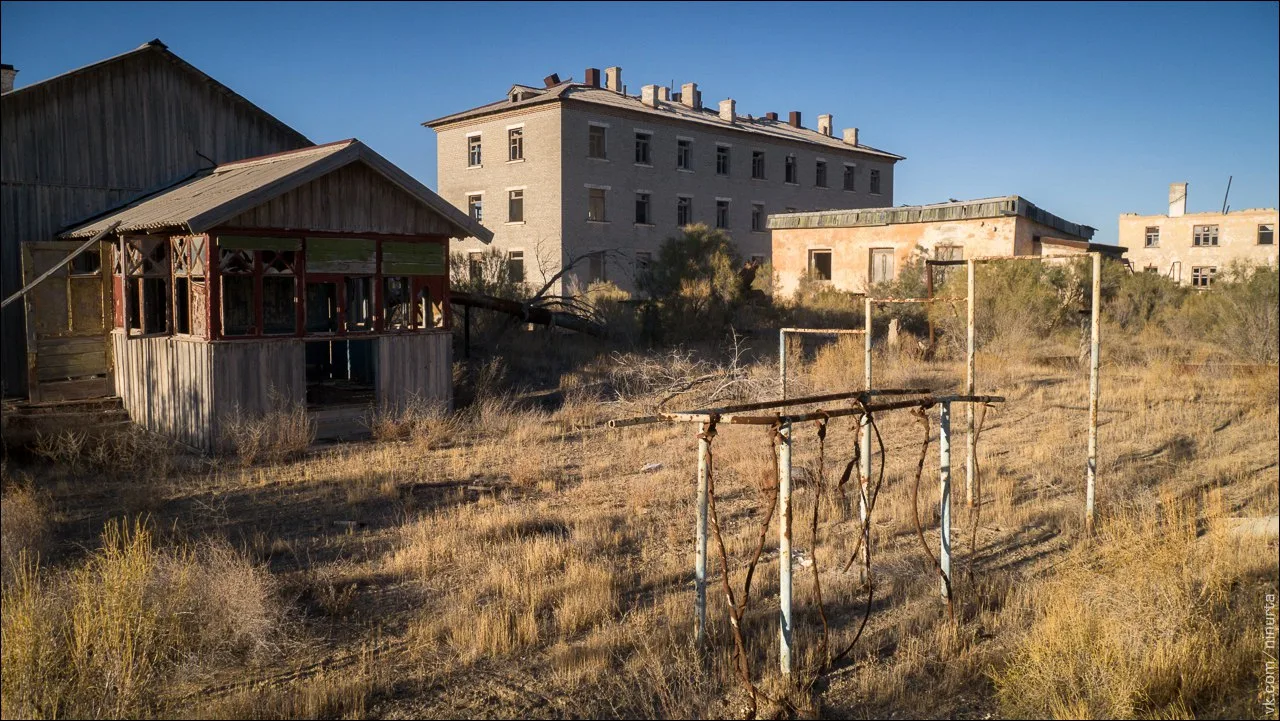
KAZAKHSTAN: Kantubek Ghost Town
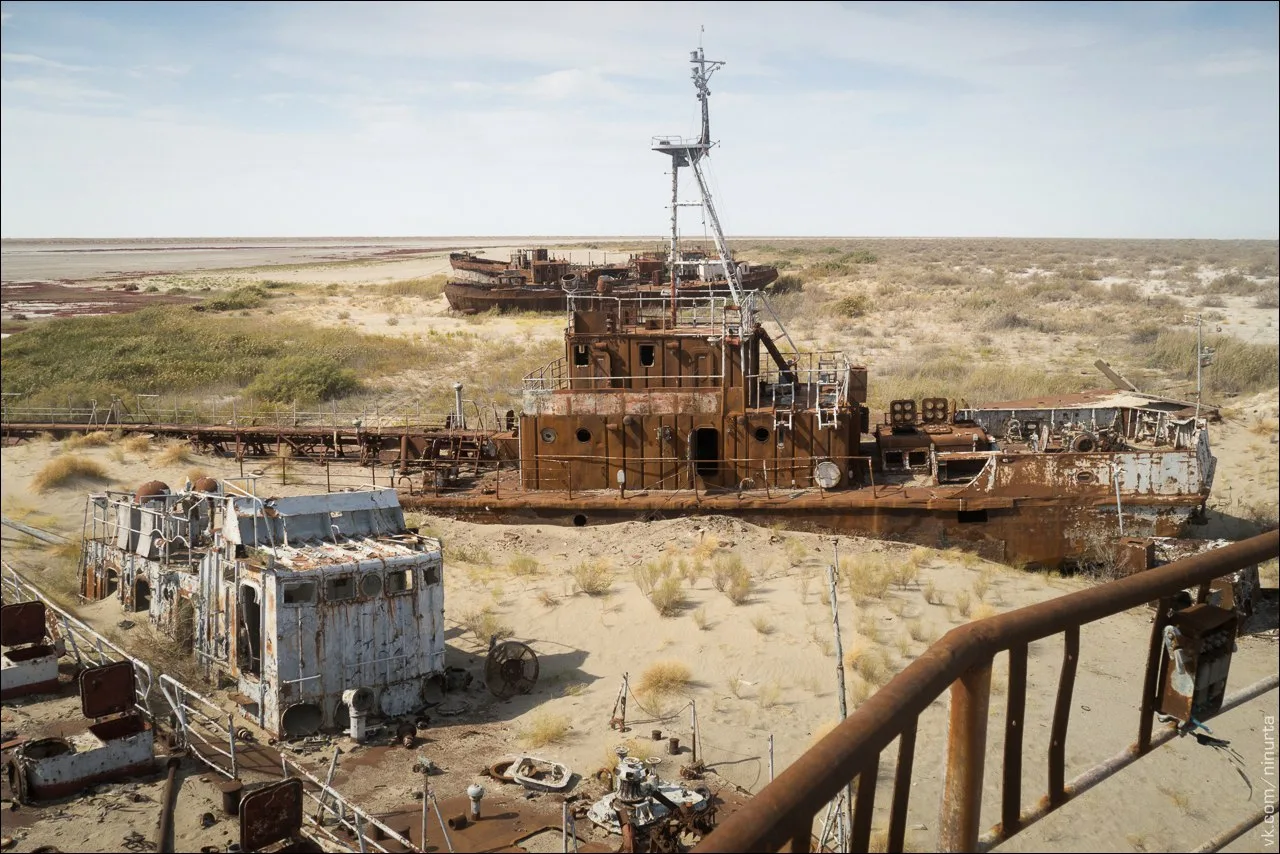
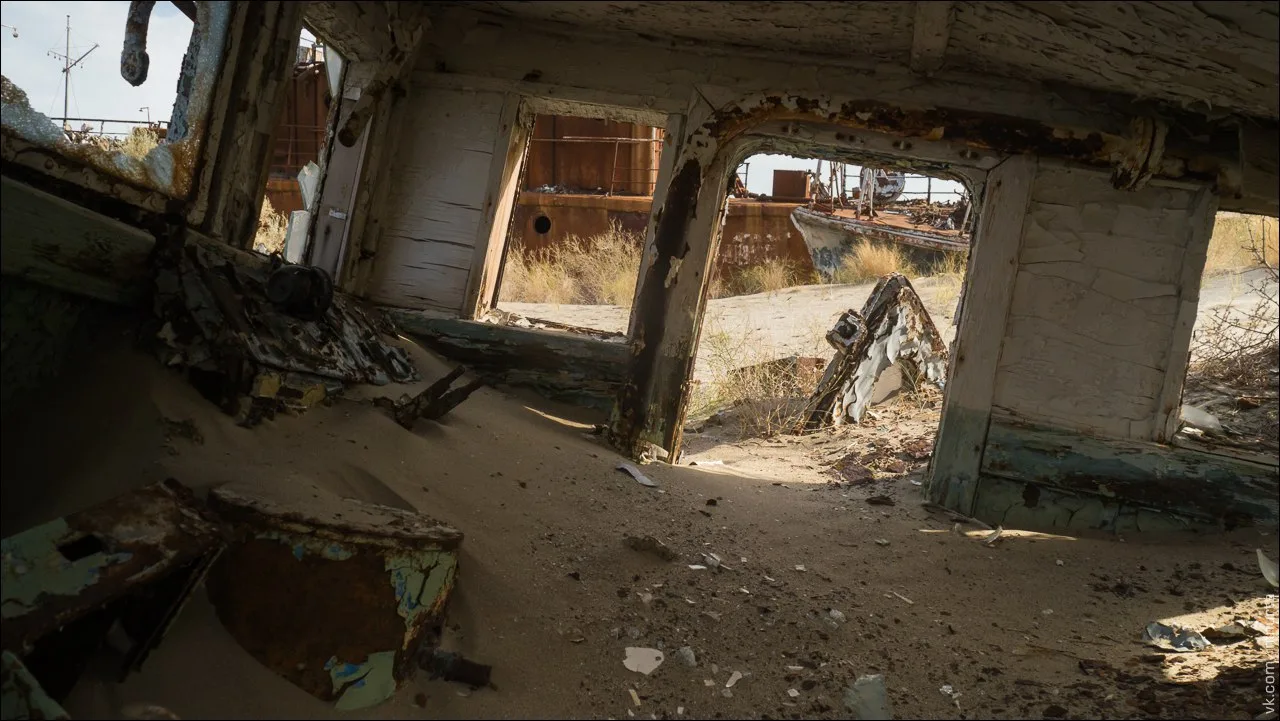
The name of Vozrozhdeniya island sounds ironic once you know its history. This place, where biological weapons tests were conducted and which has become yet another ghost town on the map of the CIS, still gives no hint today of an oasis in the middle of the Aral Sea.
The tests of the past were not in vain. In 1992, Boris Yeltsin closed off the territory, but even after 10 years and all the measures taken to disinfect the area, the burial grounds still radiate danger. Viruses do not tolerate high temperatures, for which the climate of those regions is famous, but the concentration of the virus was so enormous that the danger did not run its course. Given the transformation of Renaissance island into a peninsula, viruses can easily migrate to the mainland over time. It is just another ticking time bomb.
Today, the extraction of various metals, gas, and oil has begun in this region. As a result, the territory is gradually closing off to outsiders again.
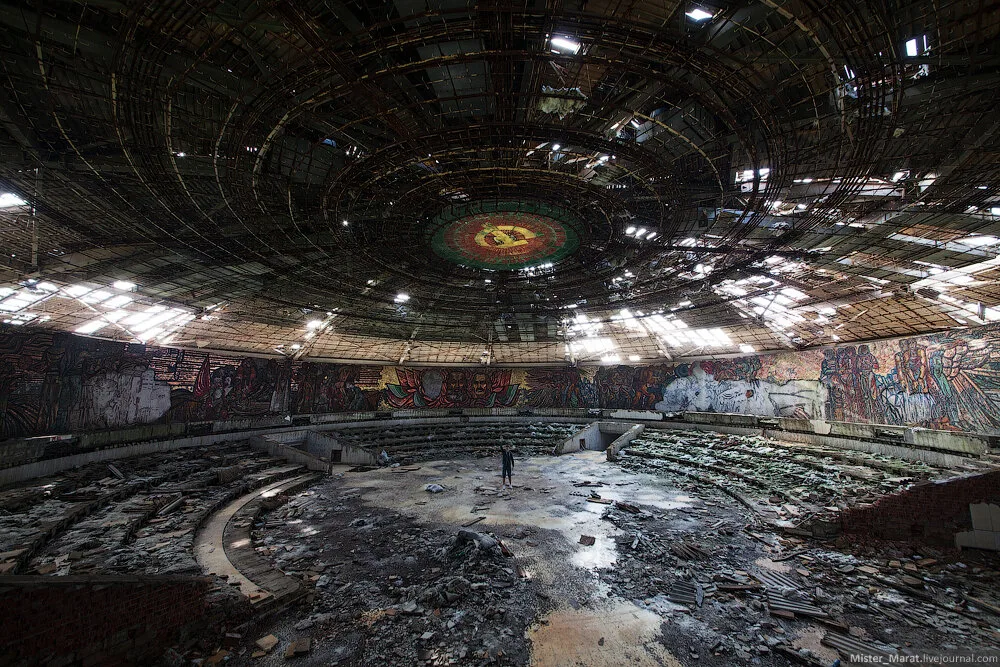
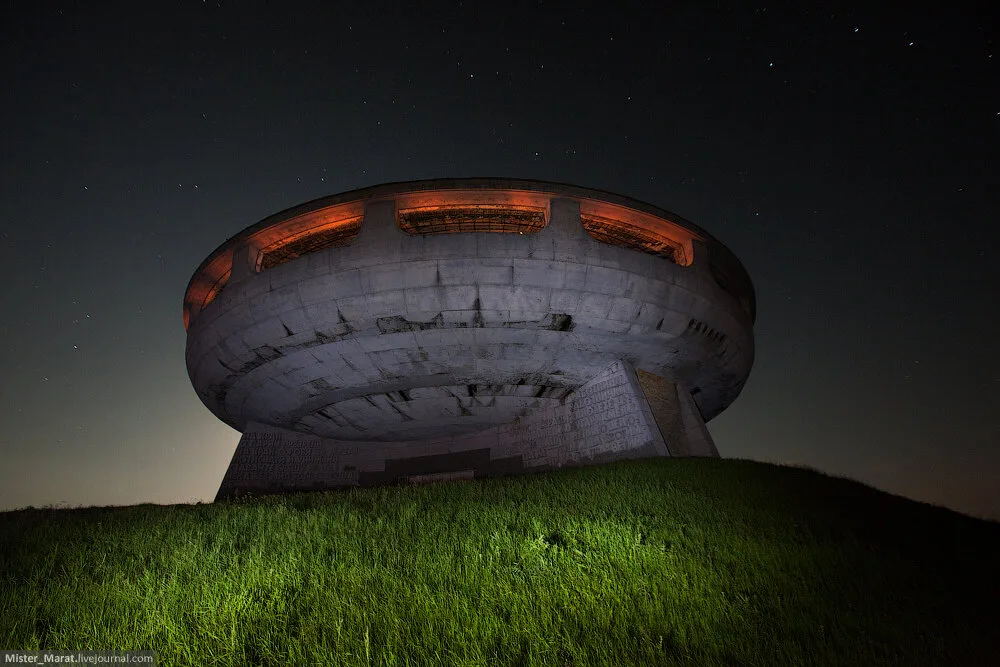
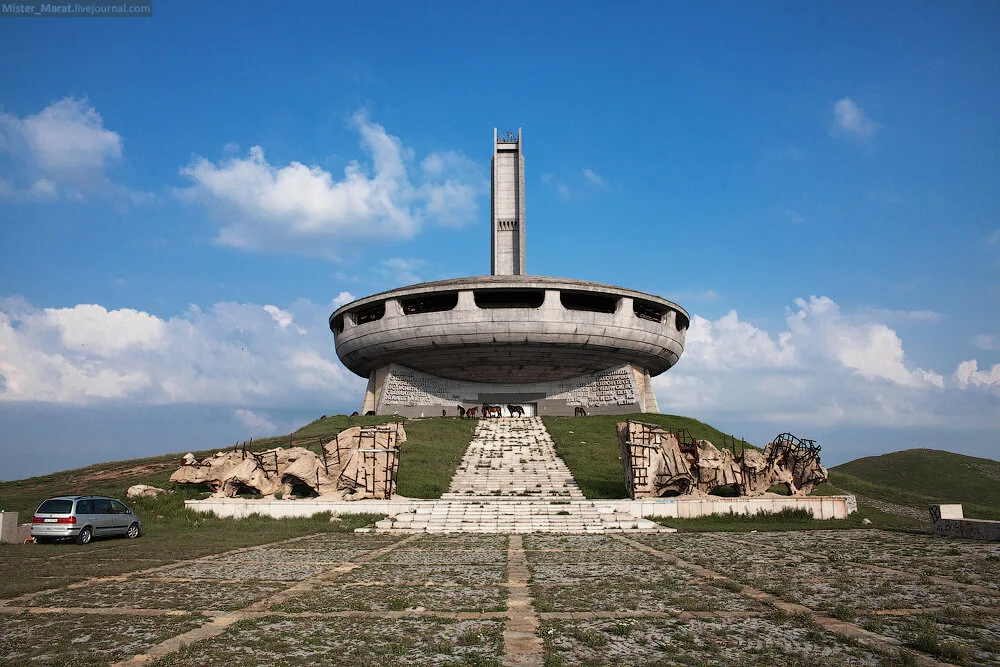
ROMANIA: Buzludzha – The Last Communist Palace
Communism left its mark not only on minds and lives, but also on architecture. Massive buildings with distinctive features still recall this period. One such piece of evidence of “red” power is the Bulgarian “flying saucer” atop the Bulgarian mountain of Buzludzha.
Exploring the former house-monument of the Bulgarian Communist Party is one of the most exciting explorations I have ever done.
PARIS: Catacombs and Metro Tunnels
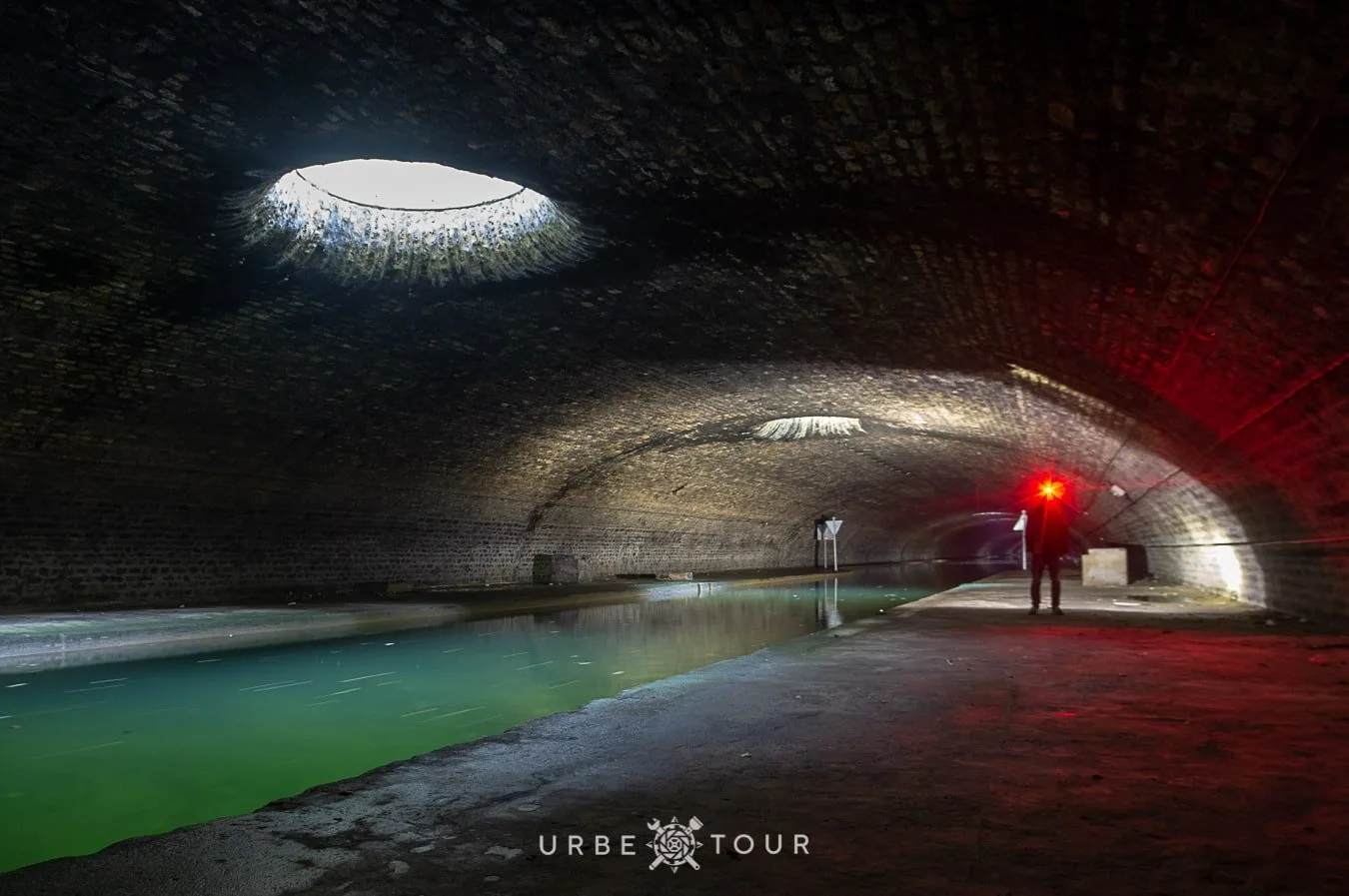
In the ground beneath Paris, hundreds of miles of tunnels run like arteries. Spaces of all kinds lie underneath the streets: canals and reservoirs, prisons, crypts and bank vaults, wine cellars transformed into nightclubs and galleries. None are as creepy as the infamous Catacombs.
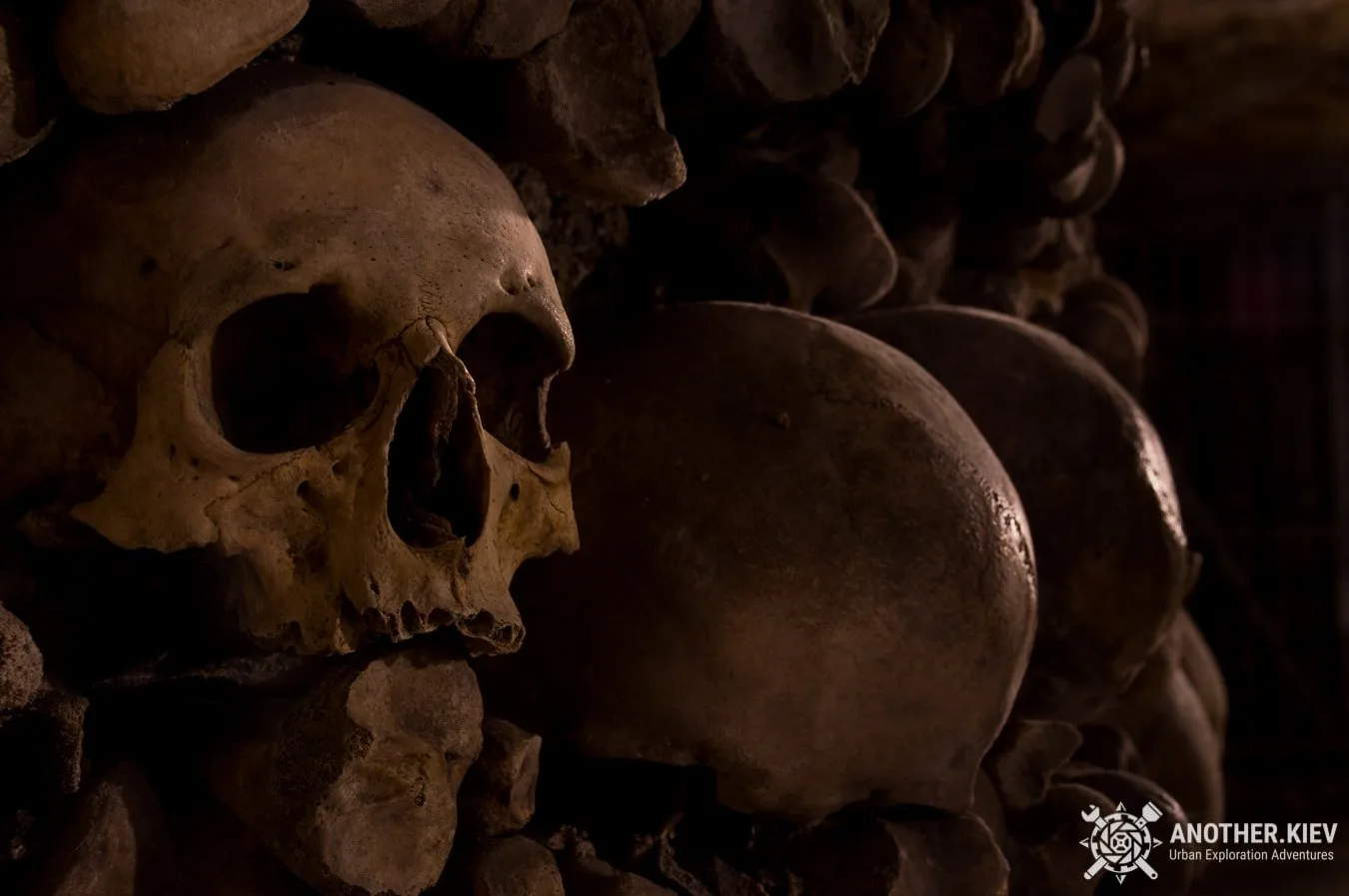
At a depth of 20 meters, equivalent to the height of a five-storey building, the catacombs lie deeper than the Metro and sewer systems. These 100 kilometers of old caves, quarries, and tunnels are also home to the bones of around 6 million Parisians who died in past centuries.
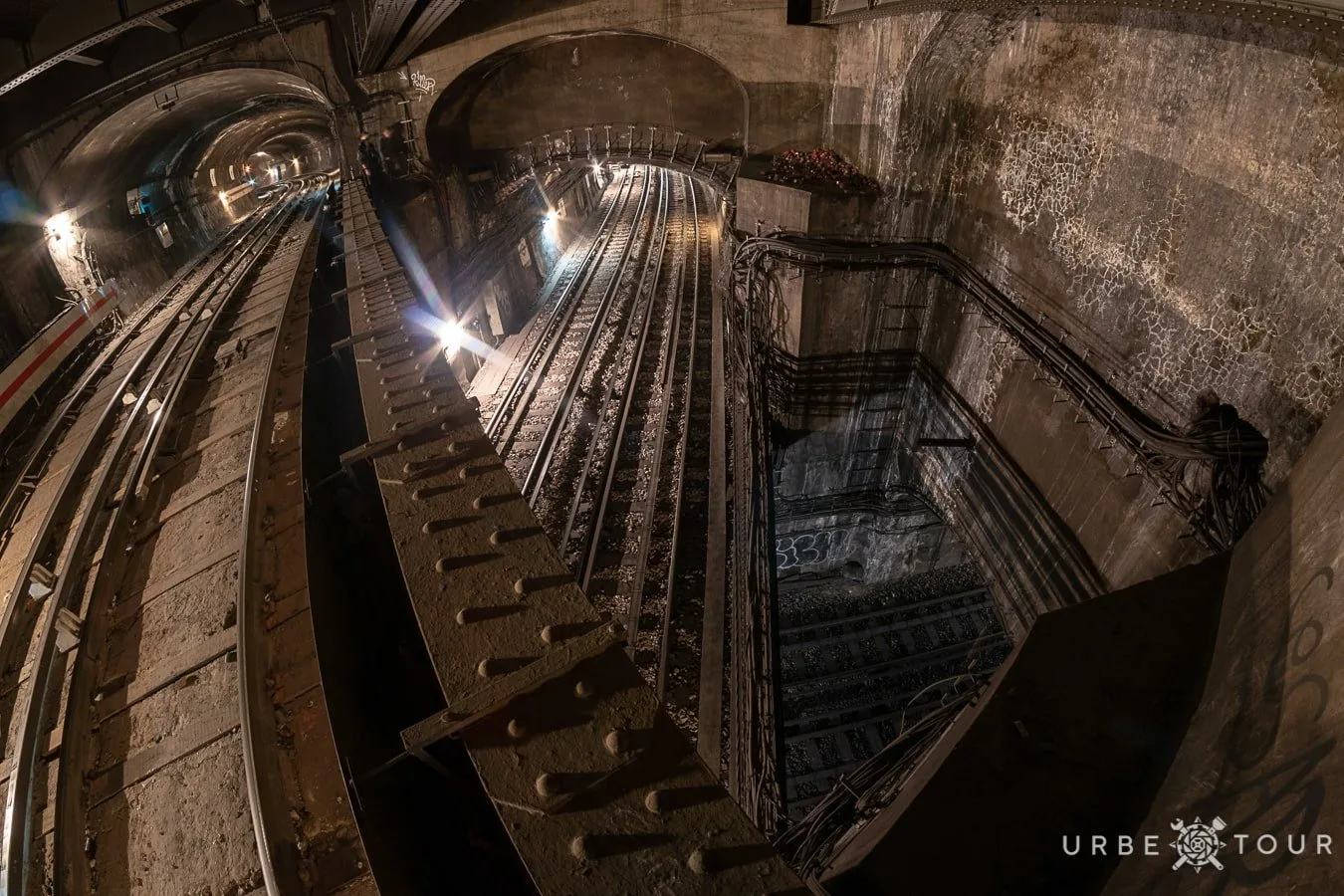
The Paris subway is one of the oldest in the world and unique of its kind. French subway builders, along with the English, were among the first pioneers, so in the intricate development of the network you can see many unusual design and engineering solutions. Over more than a century of history, a couple of hundred kilometers of tunnels and about 300 stations were built in Paris. Some of the stations were eventually no longer in demand and were subsequently closed to passengers. Every day, the trains pass these phantom stations without stopping, and their only visitors are street artists and urbex photographers. You can reach the abandoned stations during the intervals between trains or during the nightly maintenance rounds, by blending in with the workers. That is what we did with our comrades. For convenience, I have divided all the stations into sections.
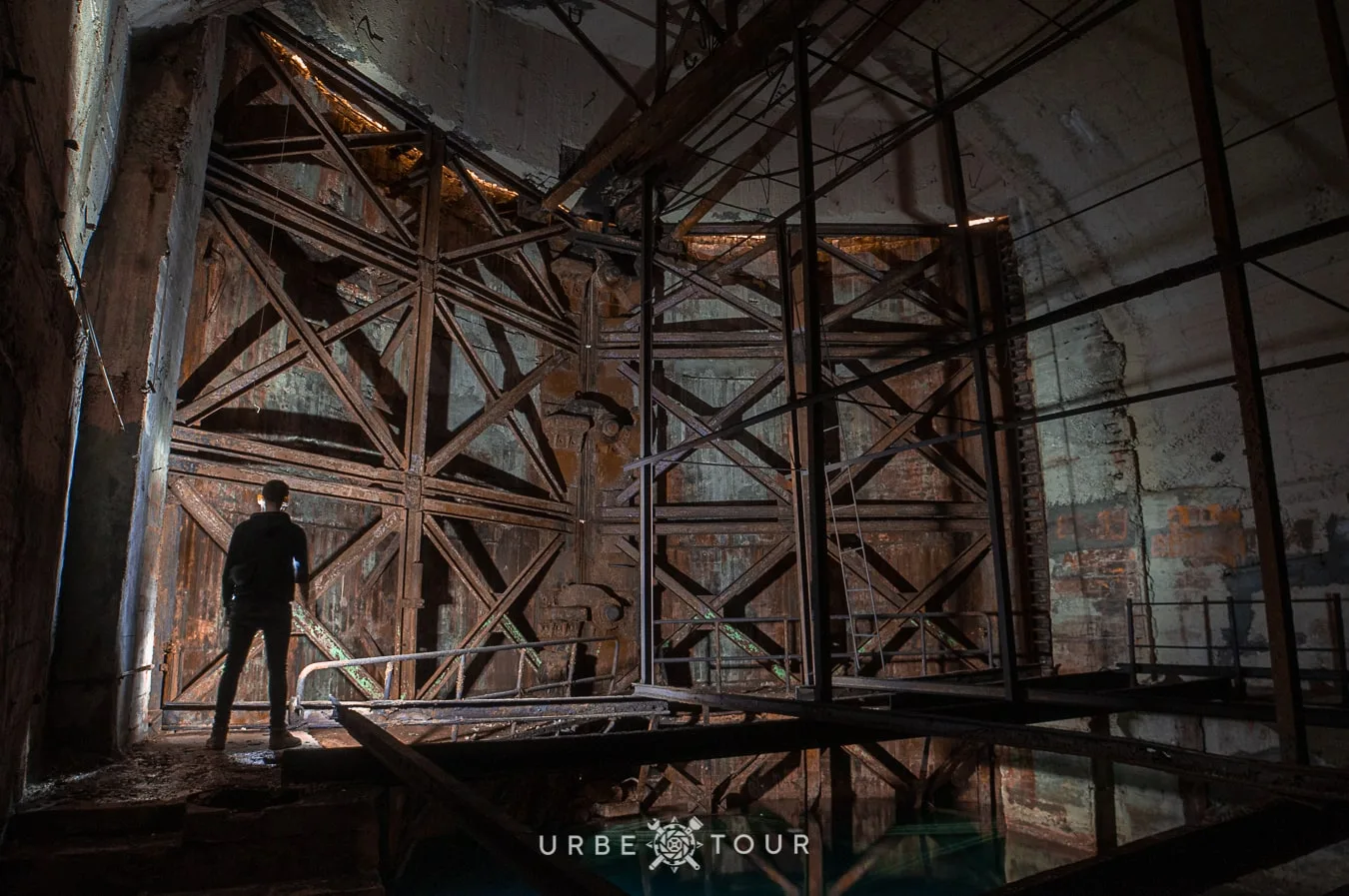
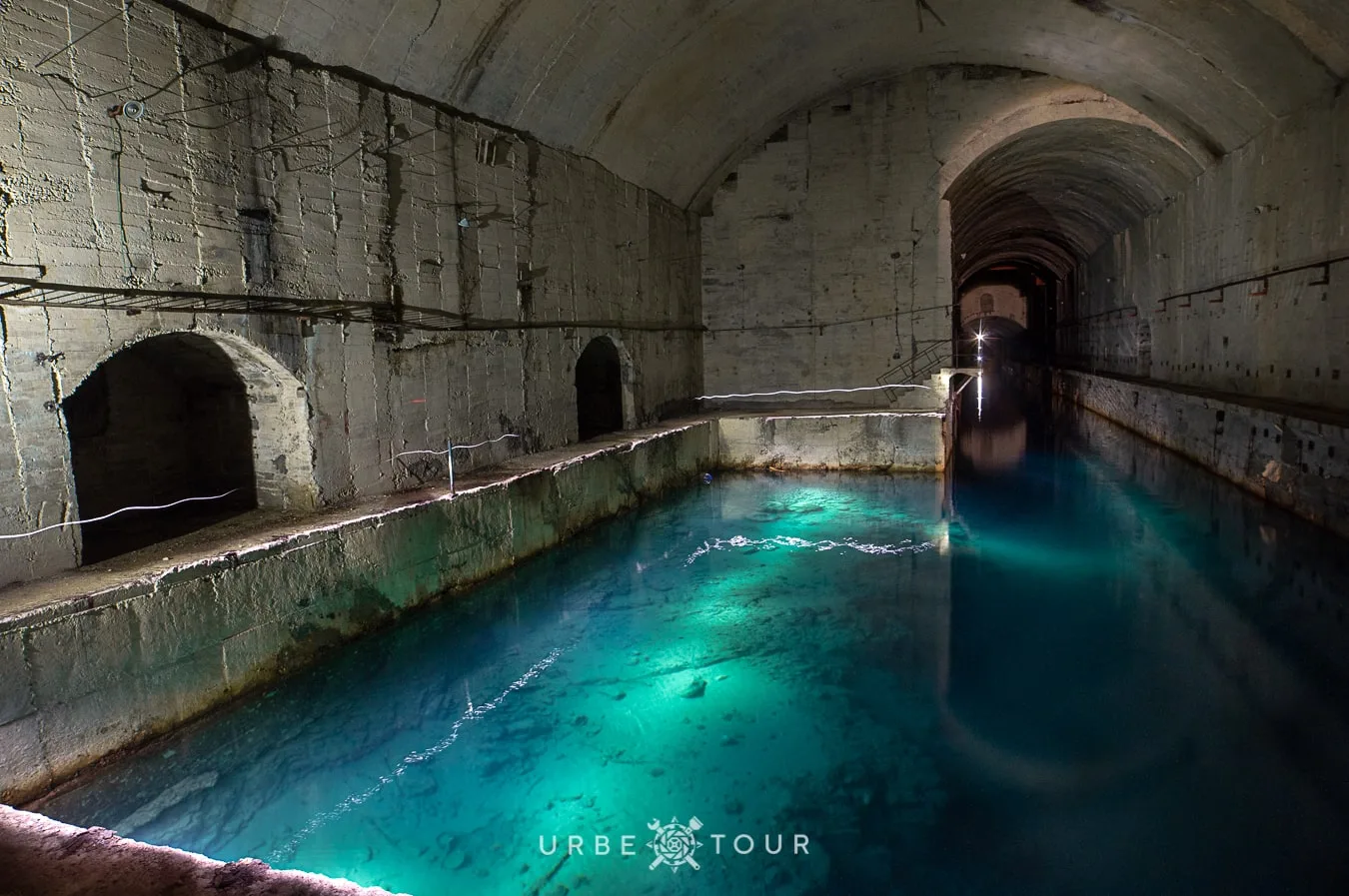
ALBANIA: Underground Aircraft, Submarine Bases and Weapon Plant
Albania is a beautiful mountainous country located along the shores of the Adriatic and Ionian Seas. The lovely people of this land want to graze goats, make tasty cheese, and drink good wine. But the bad communists herded them underground and ordered them to make weapons.
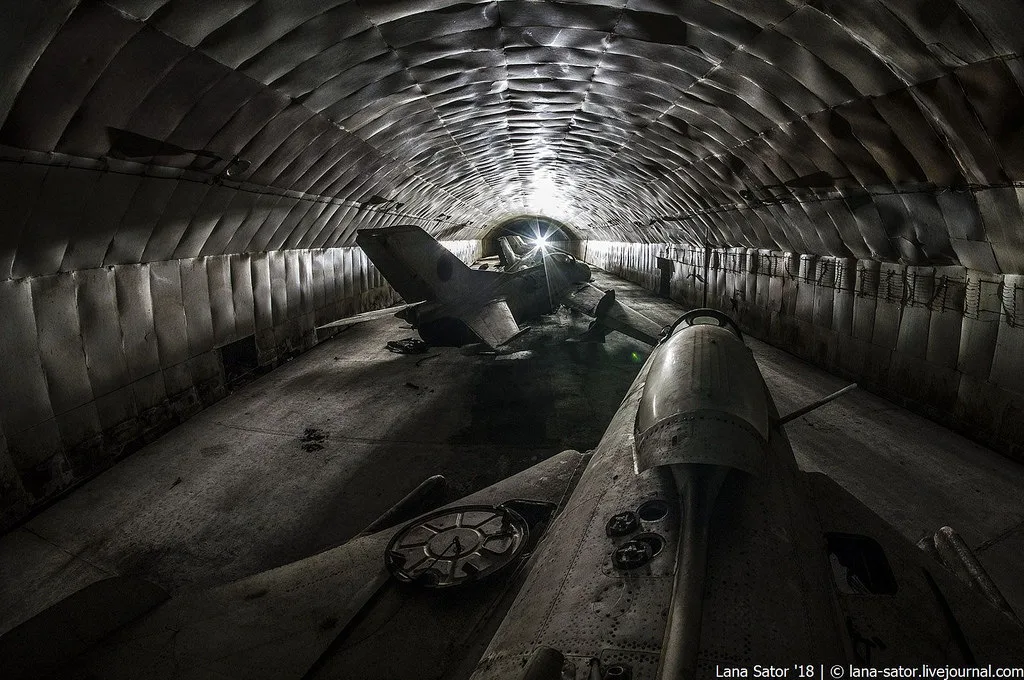
Well, what a joy it is to sit in a bunker! After the Albanian dictator Enver Hoxha died, the country’s enormous militarization came to light. From more than 70,000 small bunkers to super-massive underground aircraft bases, an underground submarine base, and so on. We also found an underground weapon plant. Here are the best Albanian urban exploration places for tourism.
ITALY: Sorrento and Sammezzano
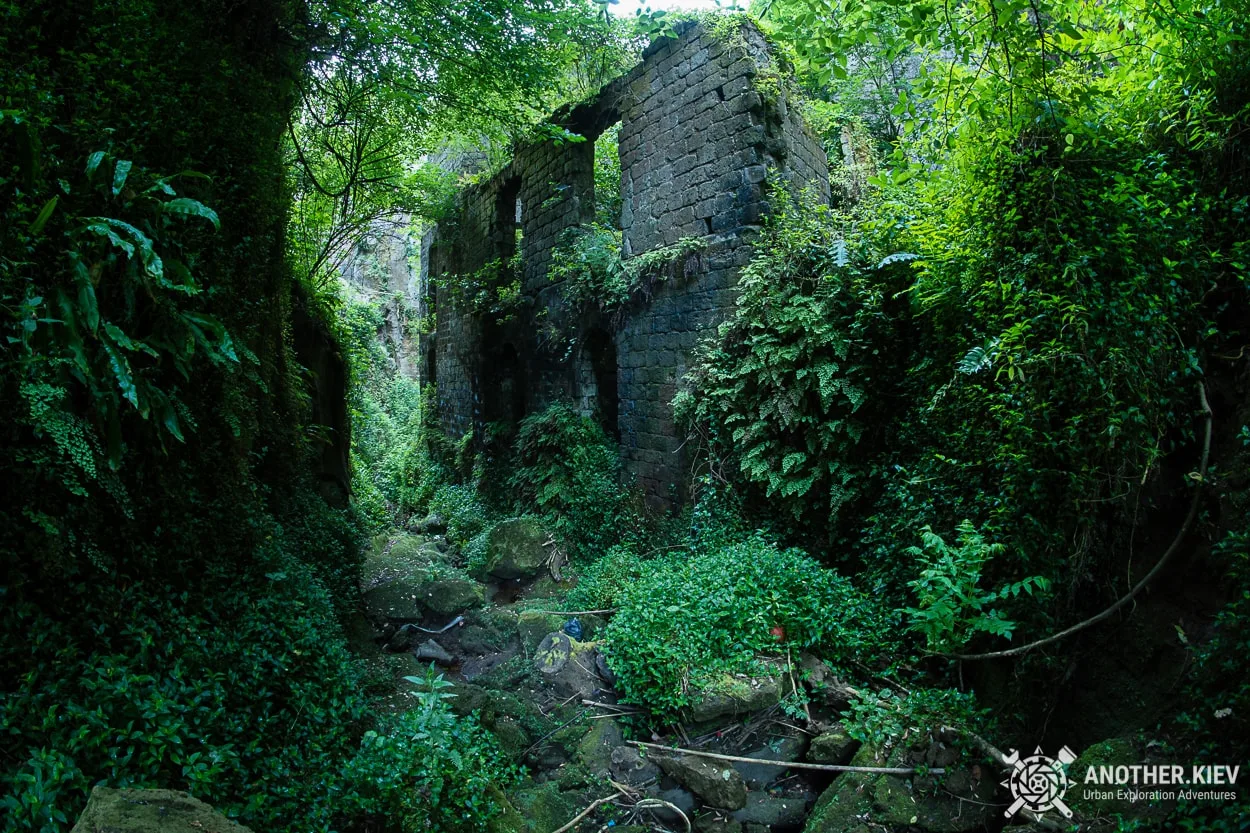
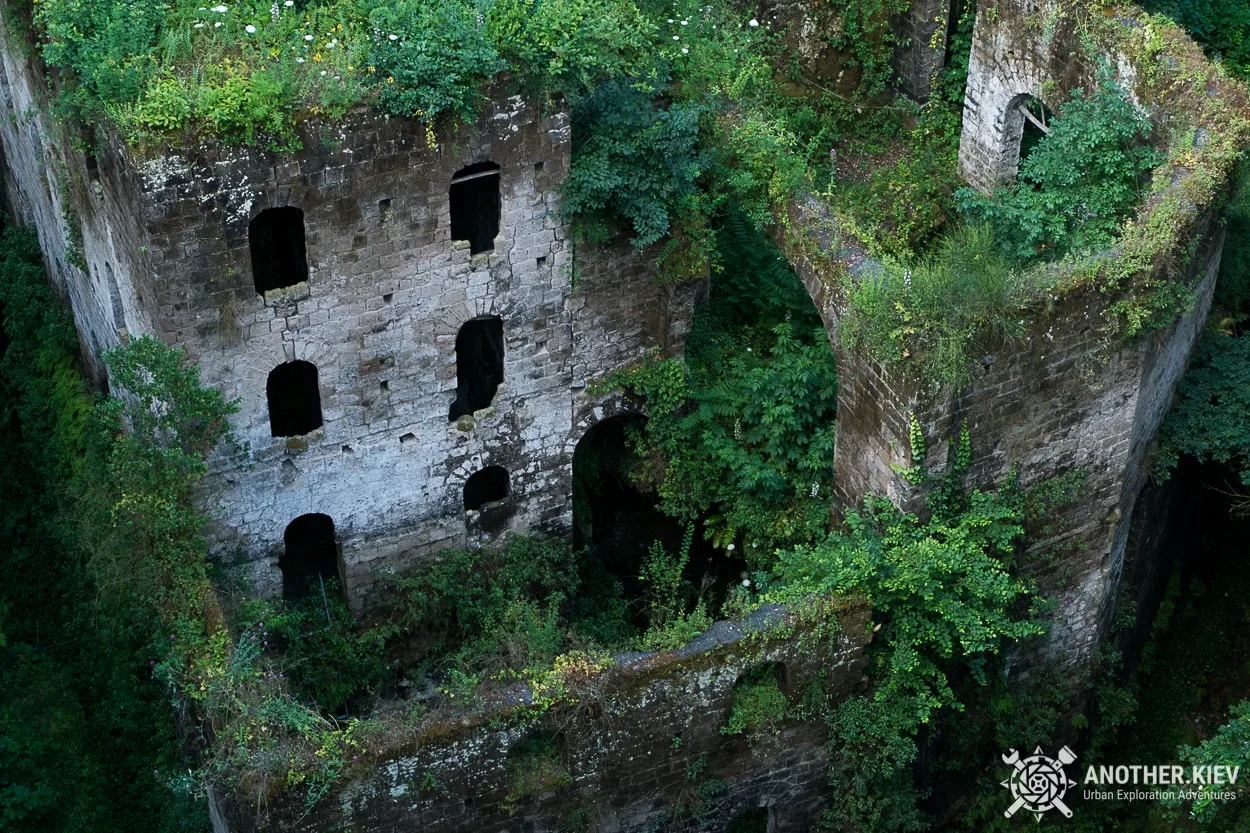
We were strolling through the crowded pedestrian center of the small Italian town of Sorrento when, suddenly, in the middle of the street, we looked over a small fence and saw a 30-meter canyon with vertical rocks and overgrown, ruined old buildings. Somewhere deep below, a stream flowed under the bridge, on which stood a water mill built in 1866. In this scene, which reminded me of an illustration from Arthur Conan Doyle’s book “The Lost World”, only the small flying lizards were missing to complete the picture.