
Take nothing but pictures,
leave nothing but footprints.
For more than 14 years, my fascination with urban exploration has convinced me, time and again, that this is the truest way to touch the important events of world history — to feel, deep in the subconscious, all the experiences that time and events have imposed on the surrounding reality. Every year, my friends and I set out to visit some unique abandoned place, at the risk of being caught. But it is precisely that risk that makes it possible to feel truly alive.
A year ago, the ray of my flashlight disturbed the tomb of the abandoned spacecraft of the Buran project, forgotten in a hangar in the middle of the Kazakh steppe. All my life I dreamed of getting closer to the stars, and one night I succeeded.
Two years ago, we spent a week exploring the Chernobyl exclusion zone, following the trails of wild animals through abandoned towns and villages. Soviet ideology had collapsed, and searching for its traces, we wandered through the dusty apartments among the ruins of the eternally young city of Pripyat. Each of us felt that this place belongs to a single day – April 26, 1986, when time stopped here.
Even as a child, I often imagined a scenario in which I would wake up to find that everyone had suddenly vanished and the city had been left abandoned, as in the movie “I Am Legend”. Later I found out that there was only one such place. After the accident at the Fukushima-1 nuclear power plant, more than 200,000 people were evacuated from the radioactive contamination zone. People simply left all their belongings behind and walked away. Entire cities were plunged into darkness. To this day, entry into the red zone of alienation around the Fukushima-1 nuclear power plant is strictly forbidden, with a penalty of around $2,000 per person for trespassing. The perimeter is guarded by the police and a local patrol, so everything inside the zone has remained untouched. Pushing through the bushes that had grown over the abandoned rice fields, we came out onto a moonlit road. In the stuffy Japanese night, with sweat stinging our eyes and our eyes constantly on the dosimeter readings, we headed deep into the red zone.
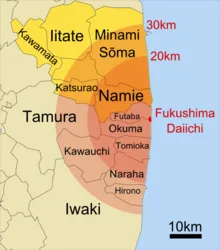
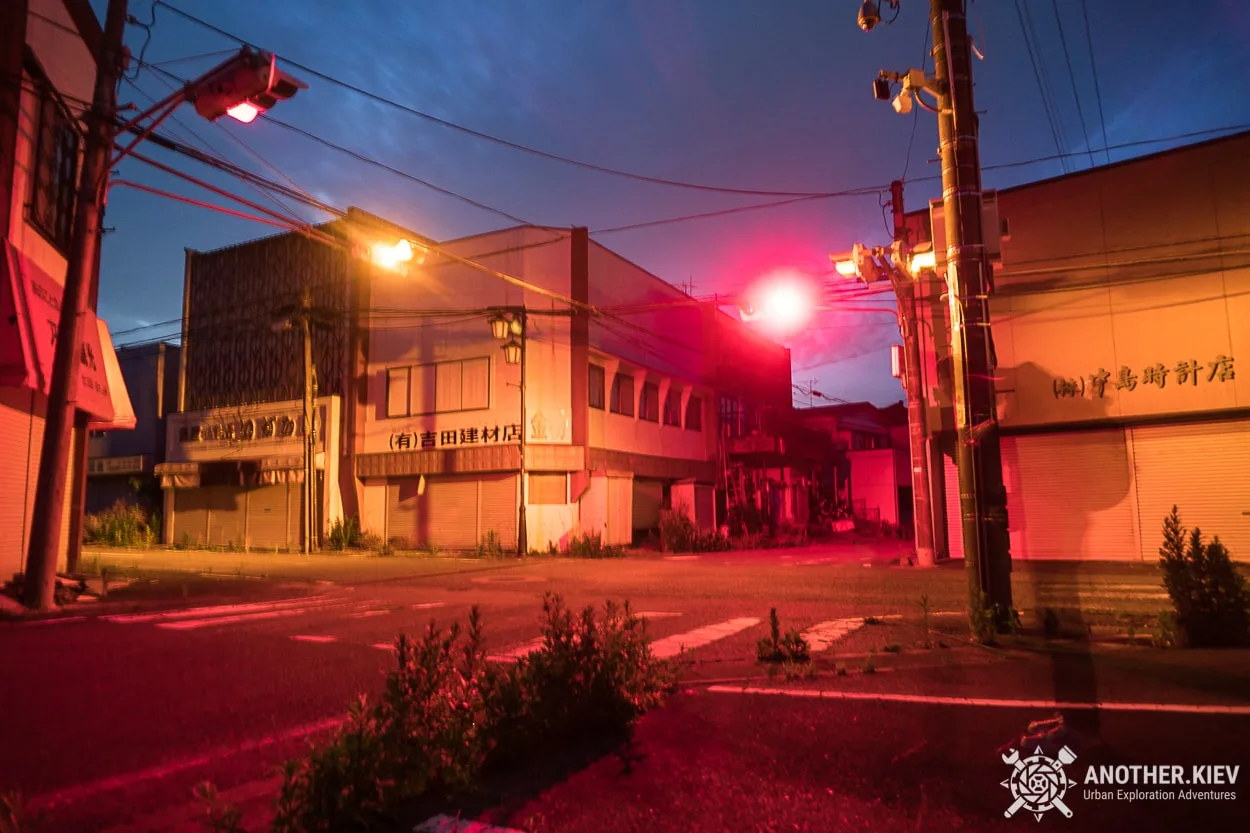
Okuma is a small town of 10,000 people, and it was the first to be evacuated, as the Fukushima-1 nuclear power plant is located within it. Bypassing the numerous motion-detector cameras the police had set up to catch looters, we approached the central part of the city. Surprisingly, the traffic lights were still working.
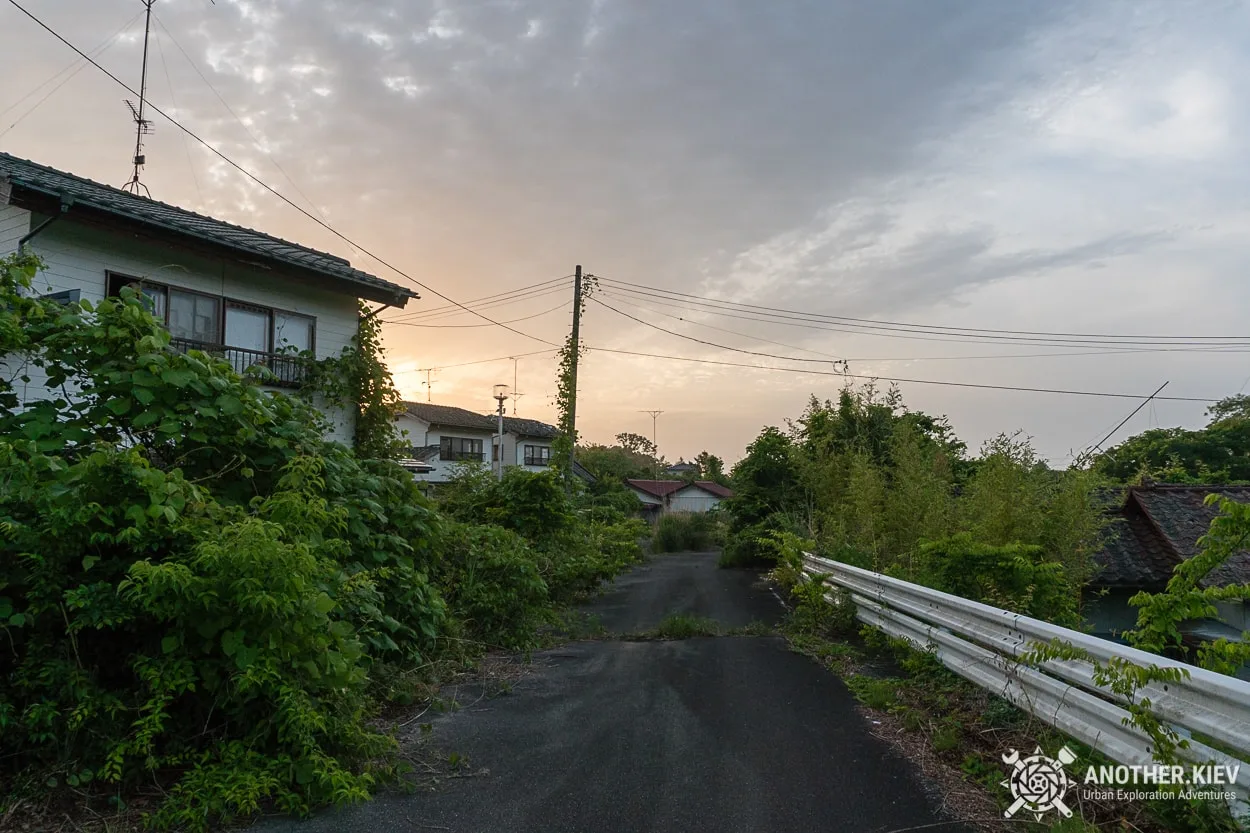
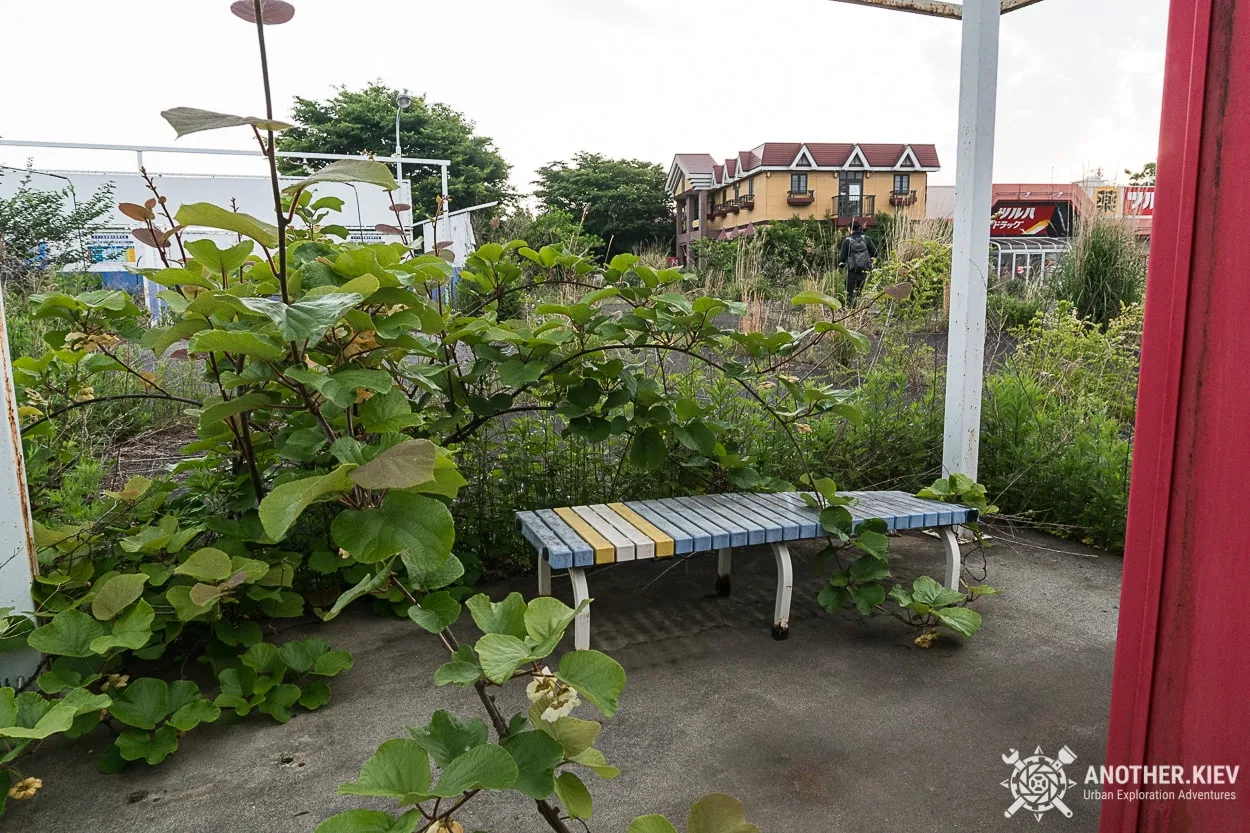
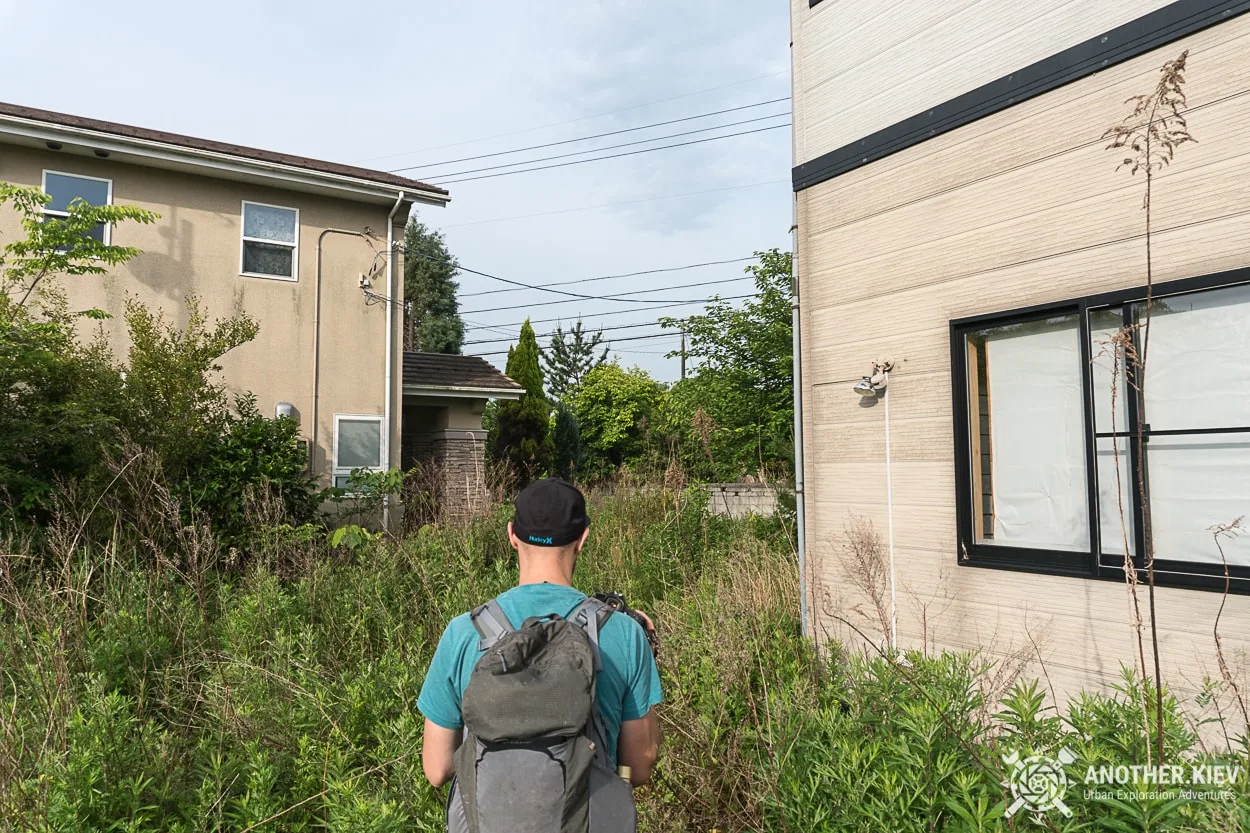
In the stuffy, moisture-saturated climate, the streets had quickly turned green. The radiation level on the asphalt varied between 150 and 250 microroentgen per hour.
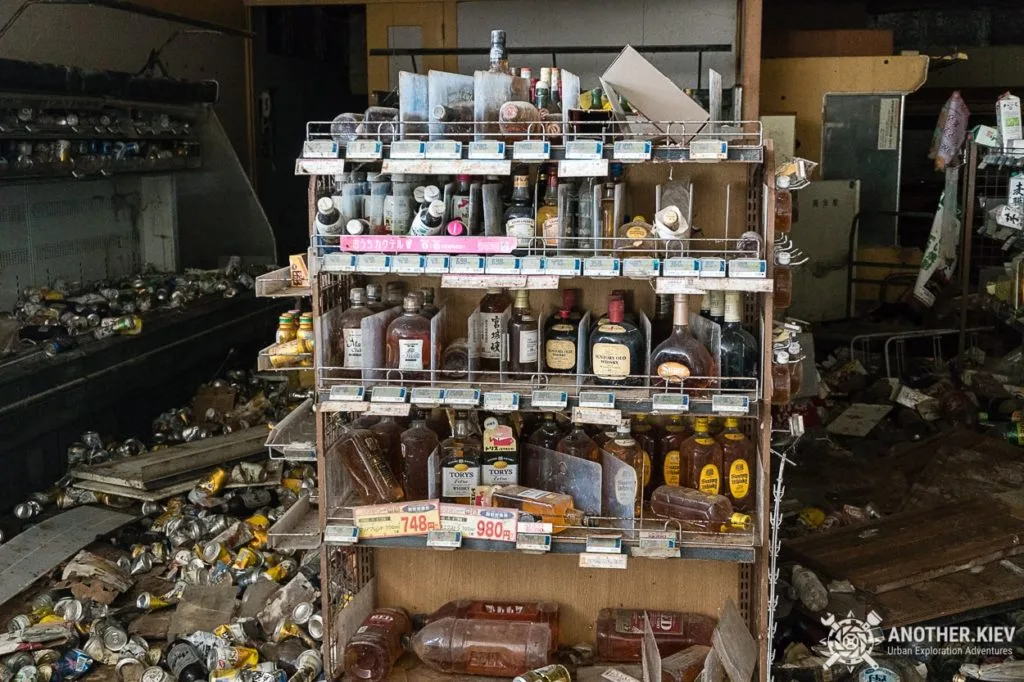
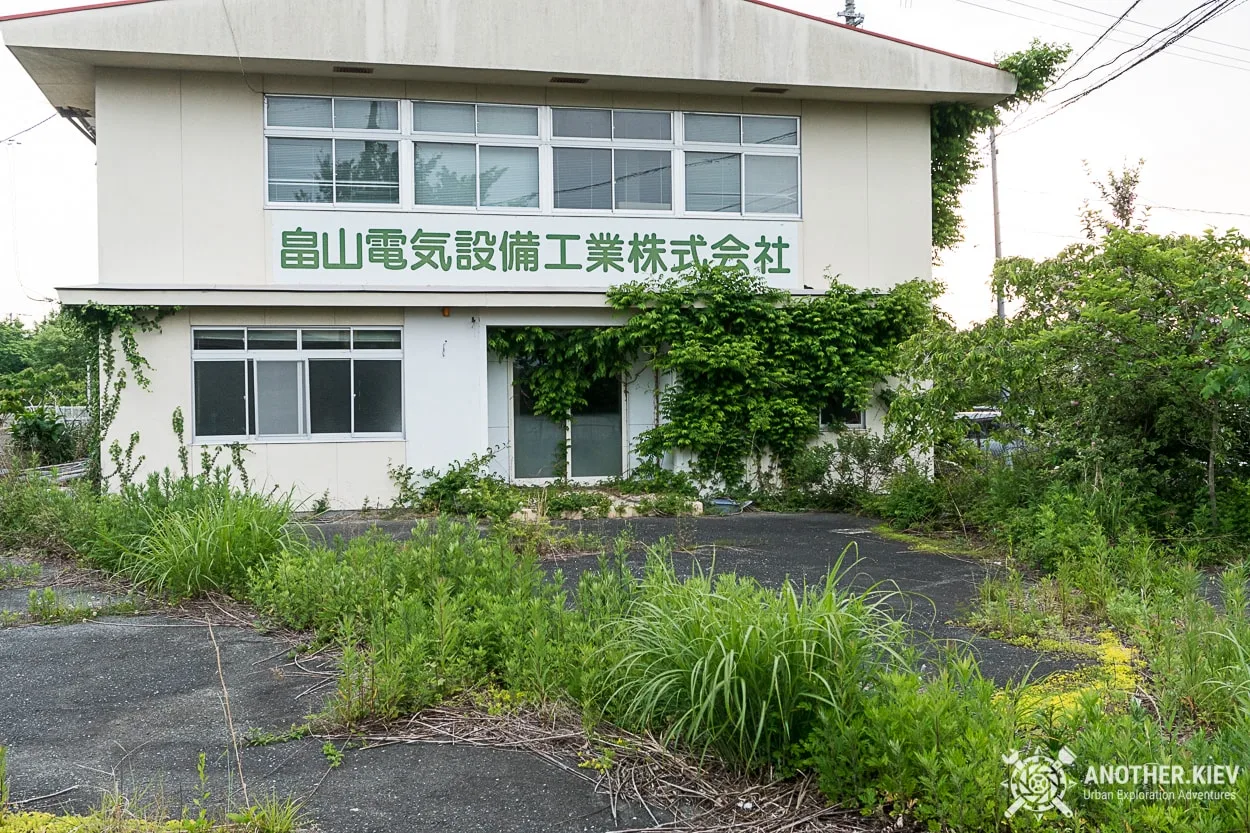
The first thing we came across was a liquor store. True to the ethos of urban exploration, we did not enter people’s homes, only abandoned public spaces.
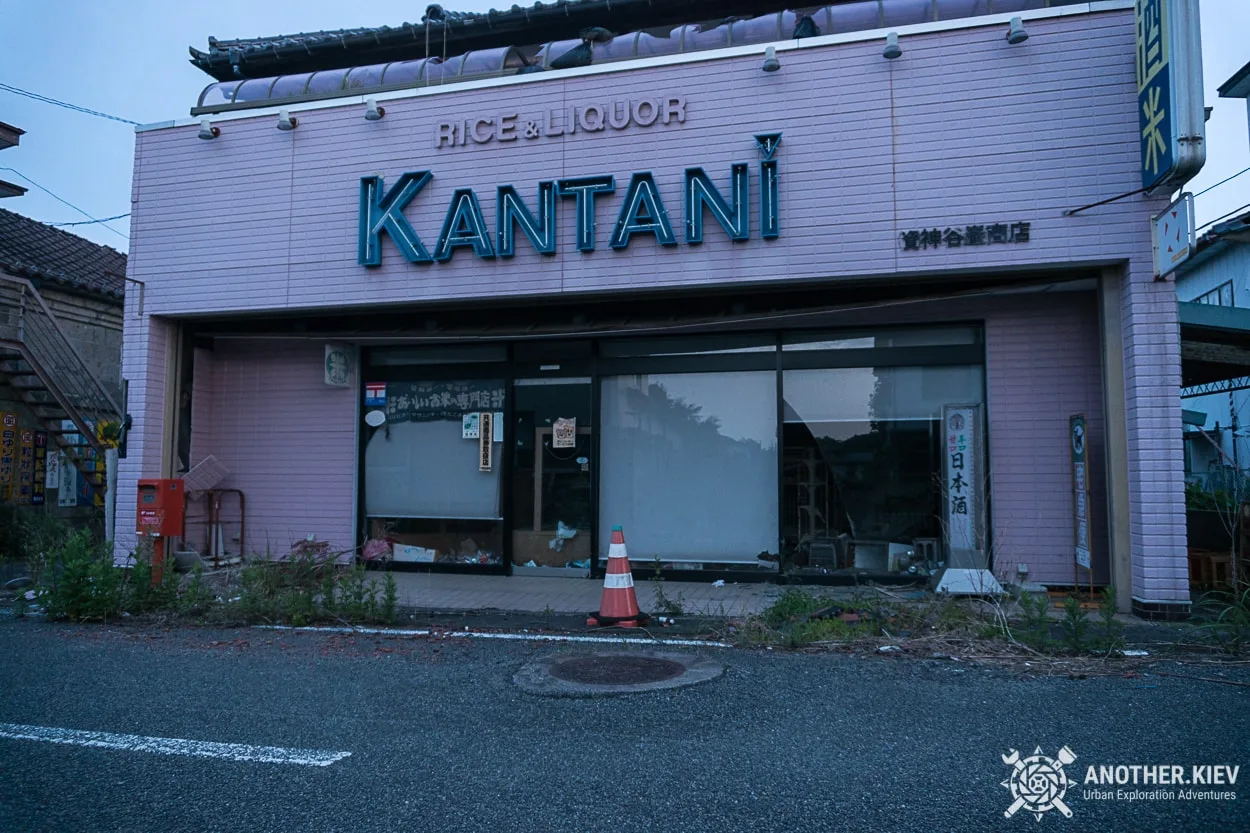
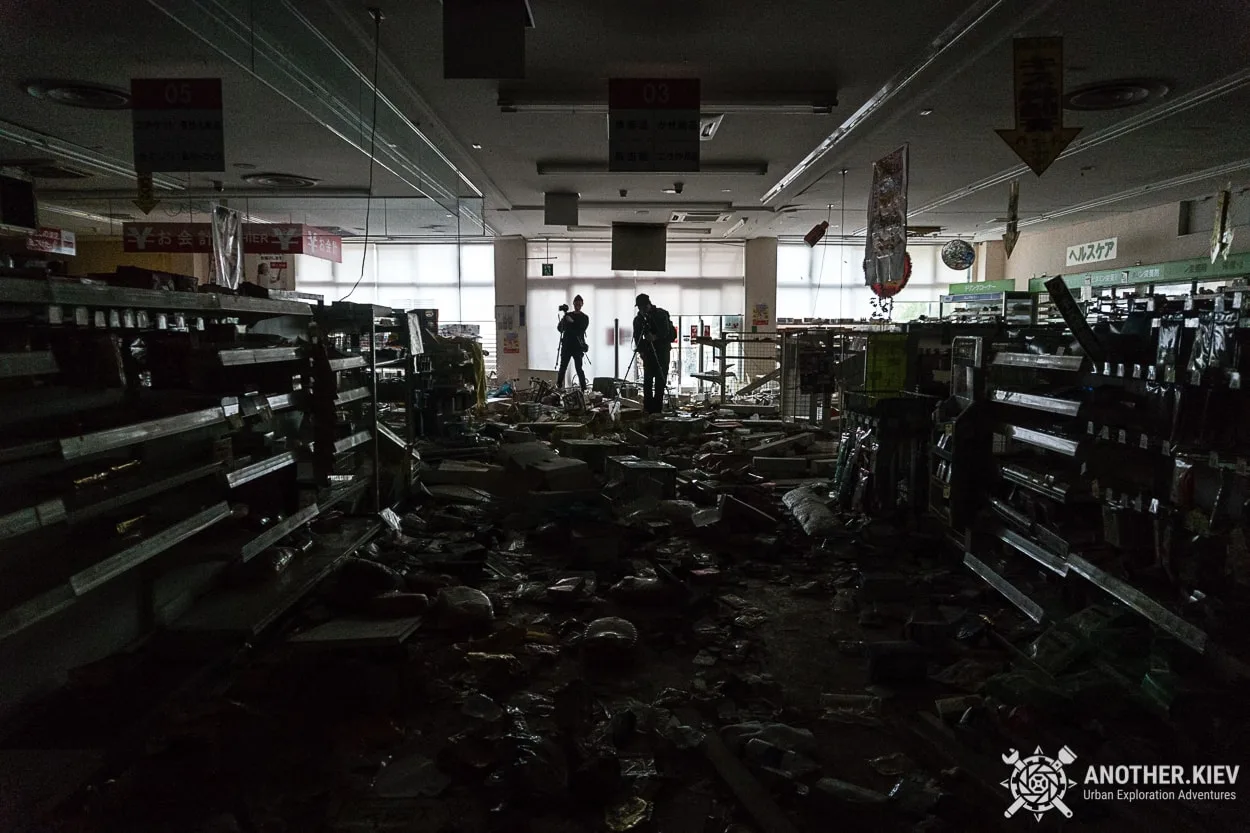
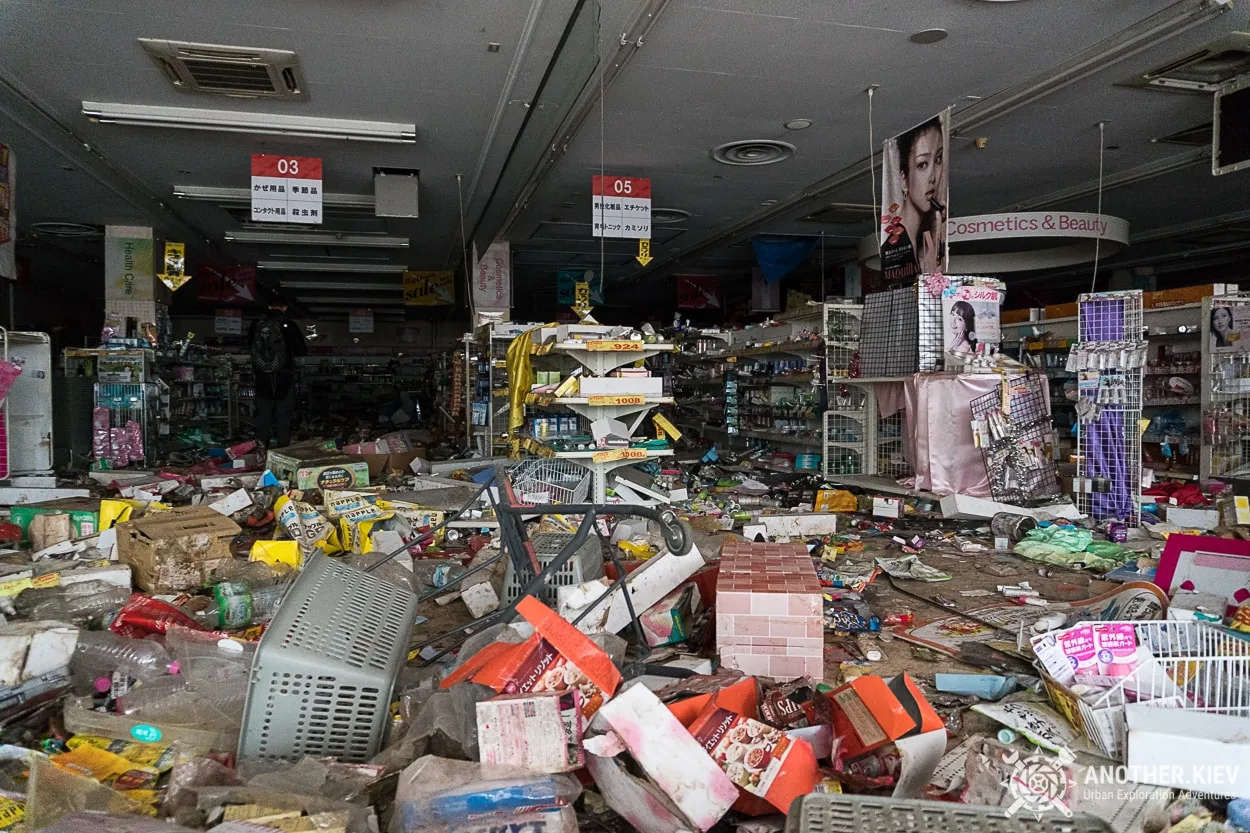
Looters had already been here, and many shelves had been overturned by wild animals that had gotten into the buildings in search of food.
Urban Exploration Tour in Ukraine is available for everyone!
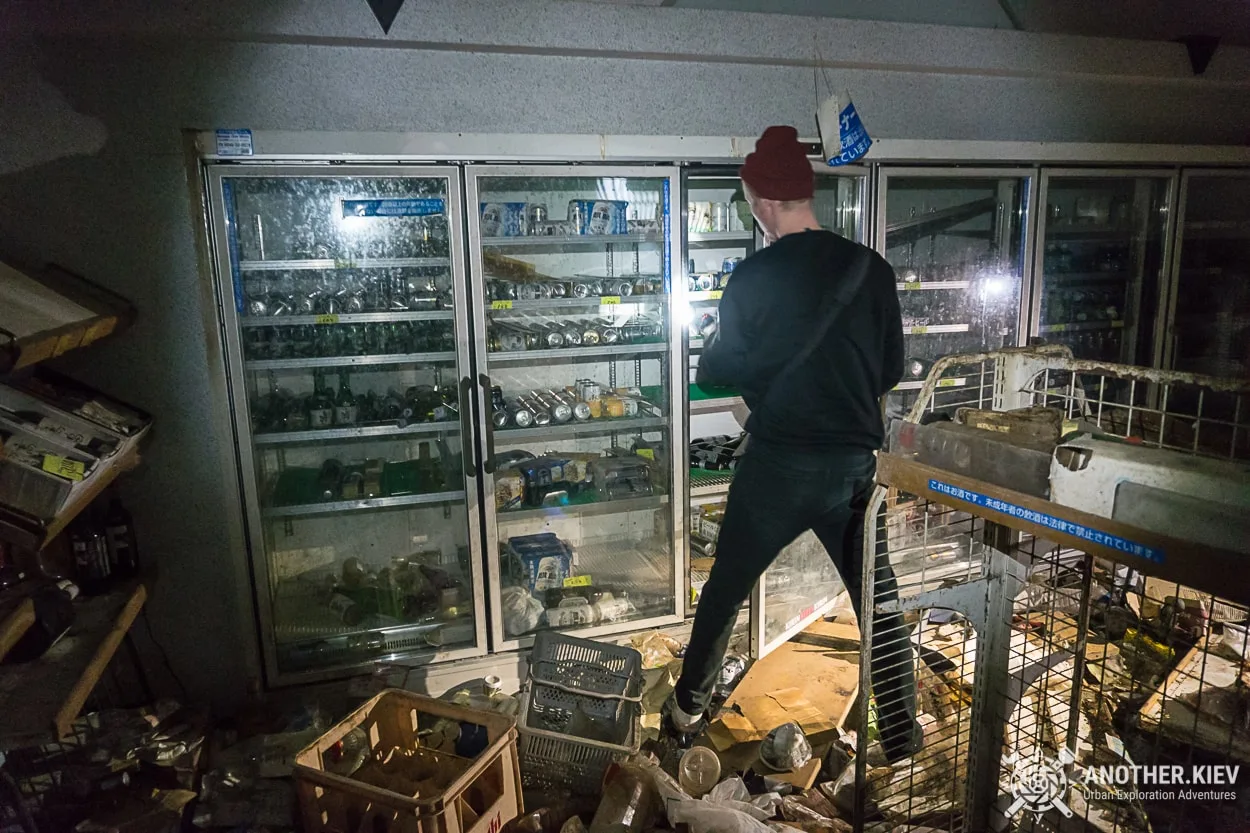
Good find)
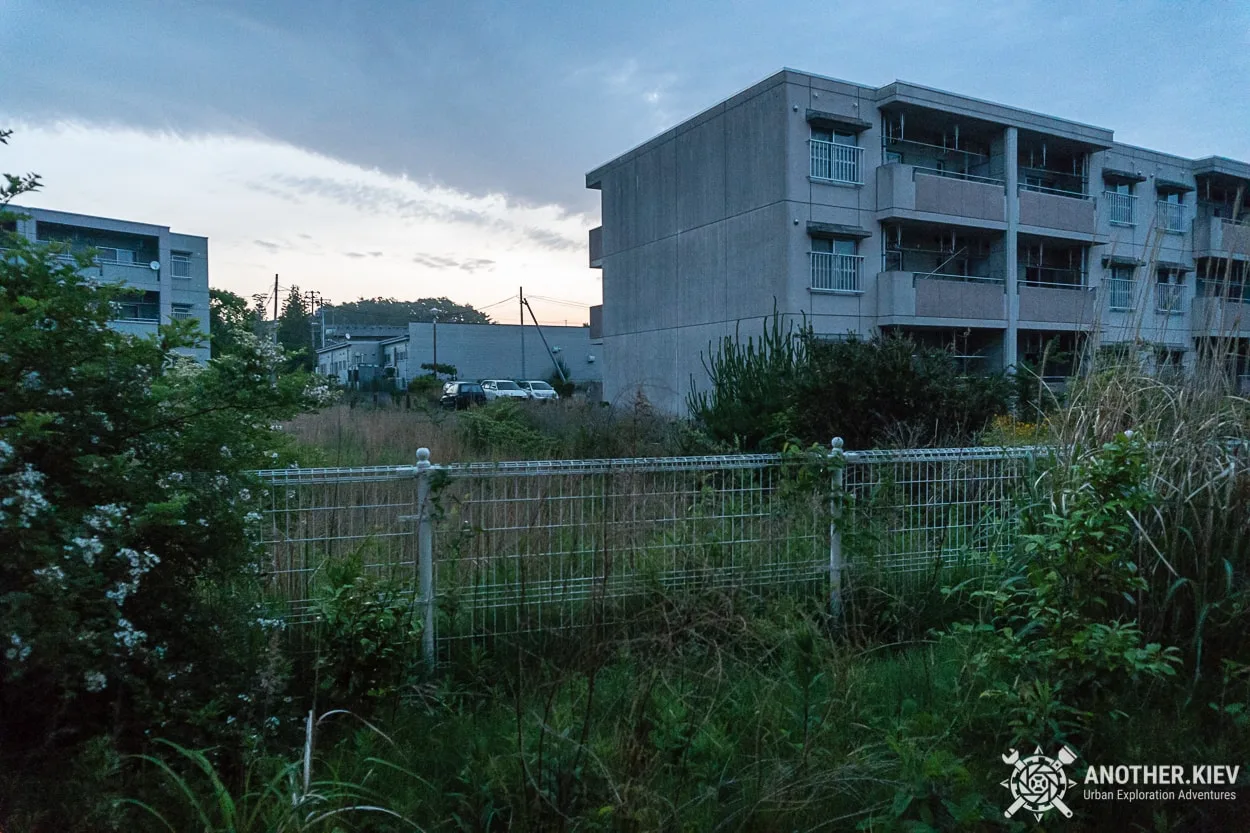
The village center is quite overgrown.
The Okuma public library is a beautiful building with a turret on the roof.
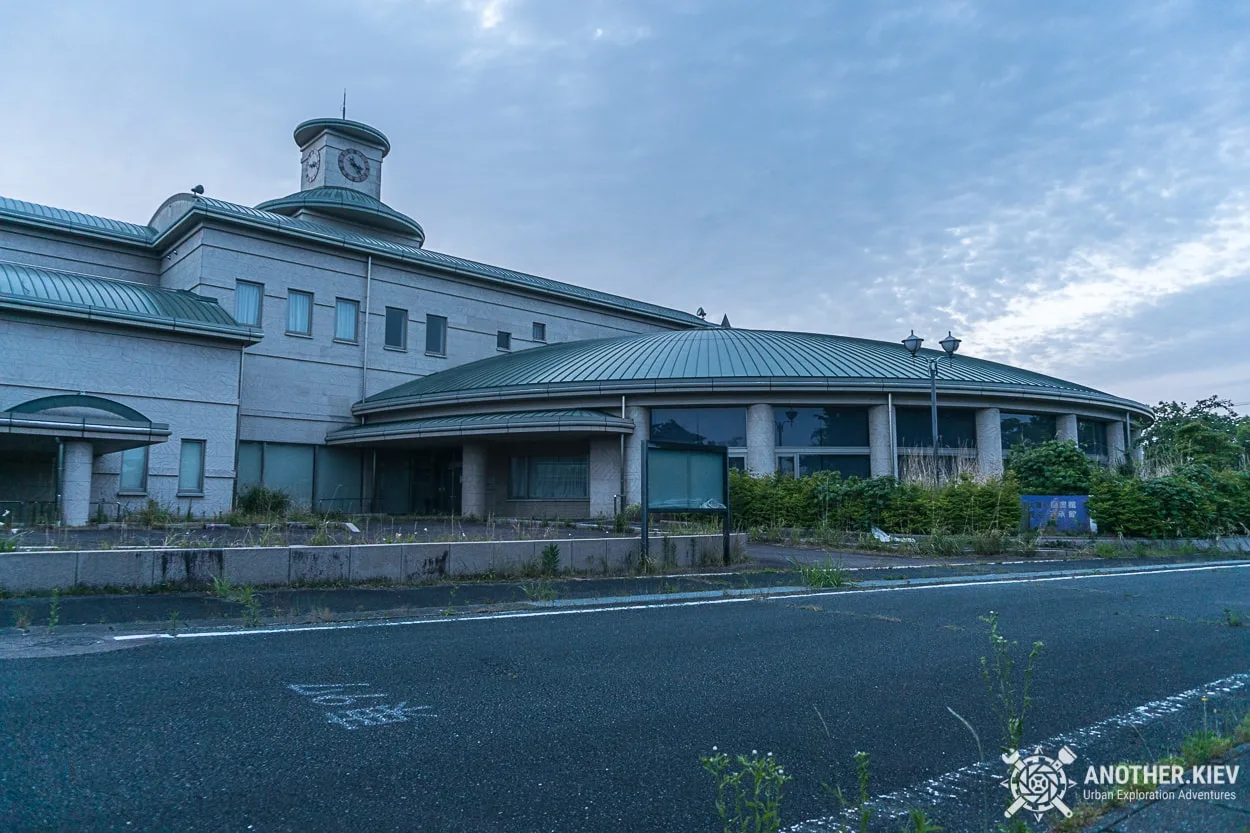
The front door was not locked, and inside the library everything was still in its place.
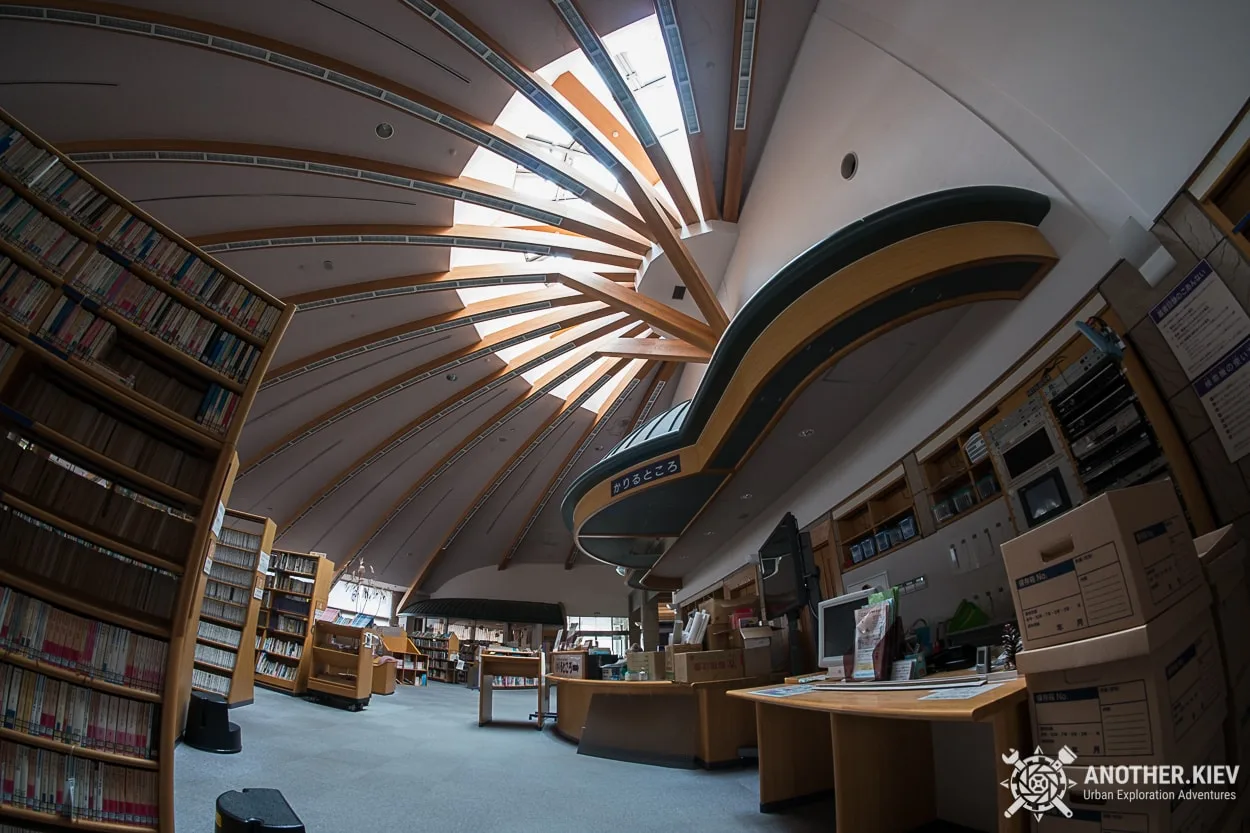
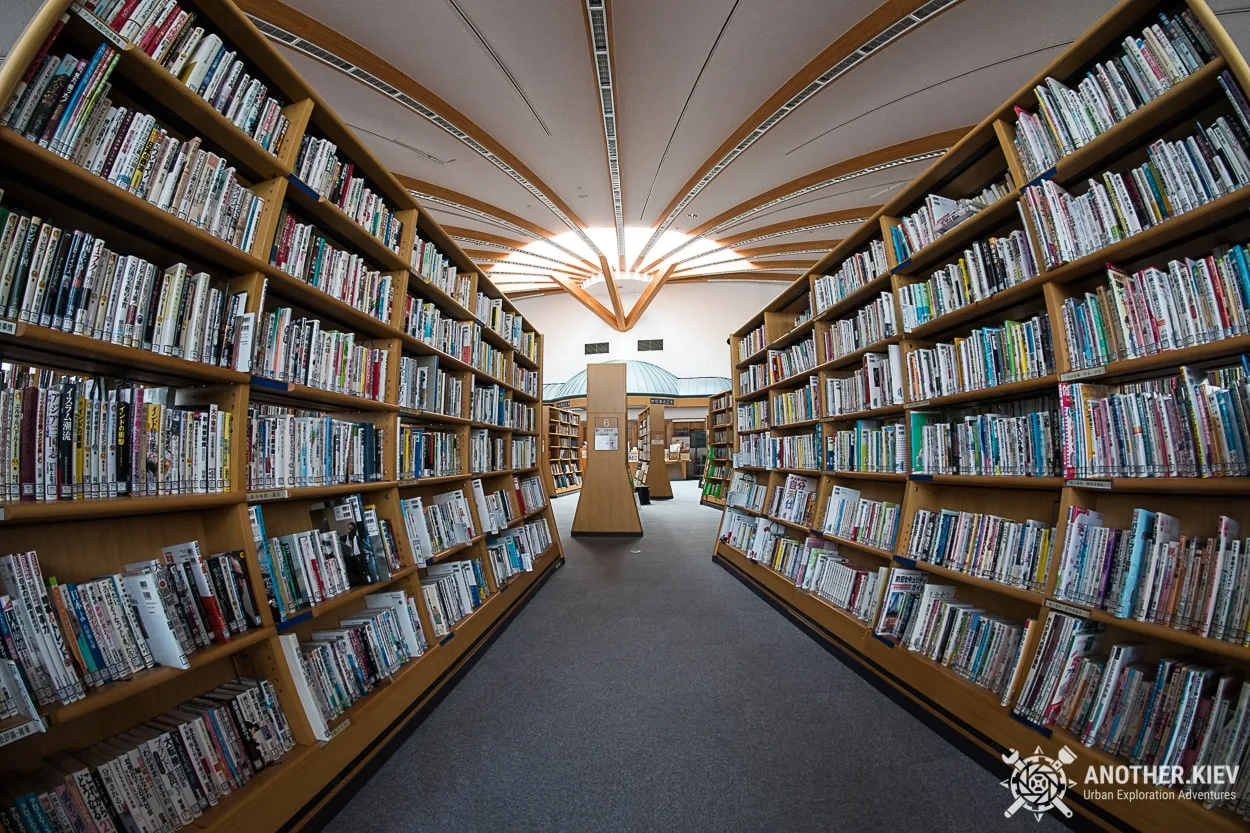
Books that no one had touched for seven years. There was practically no radiation inside the building, only 20 to 25 microroentgen per hour.
After the library, we took a walk around the central part of the city, where abandoned cars were everywhere.
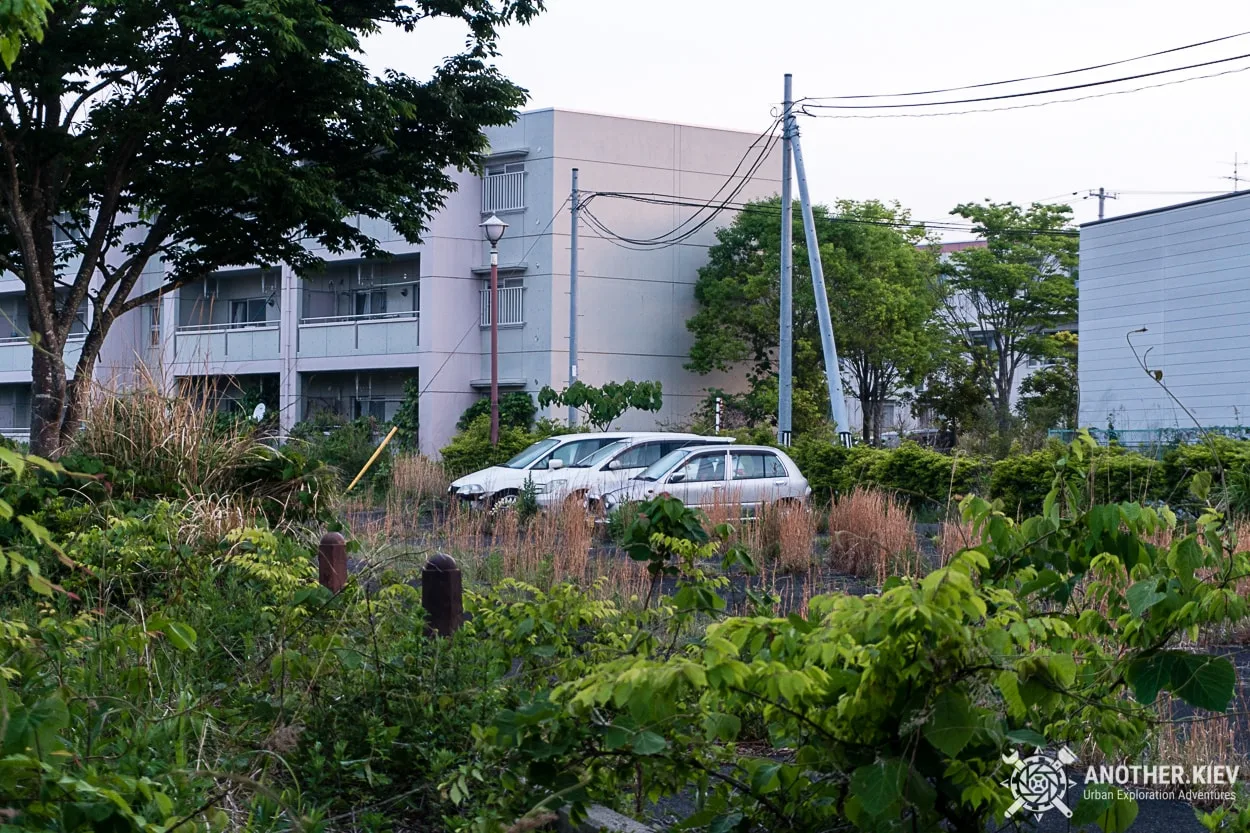
Many of them looked completely new, but on a closer look, there was a tree growing out of the bumper.
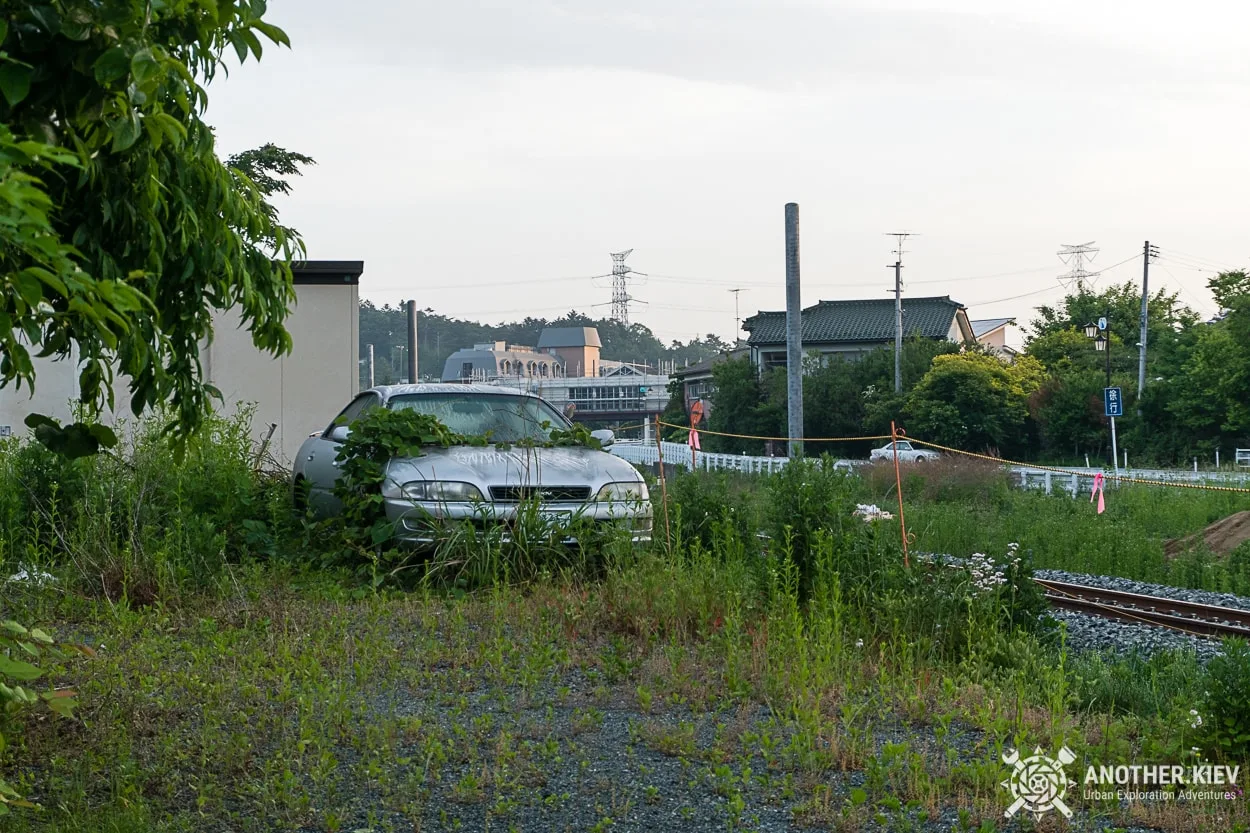
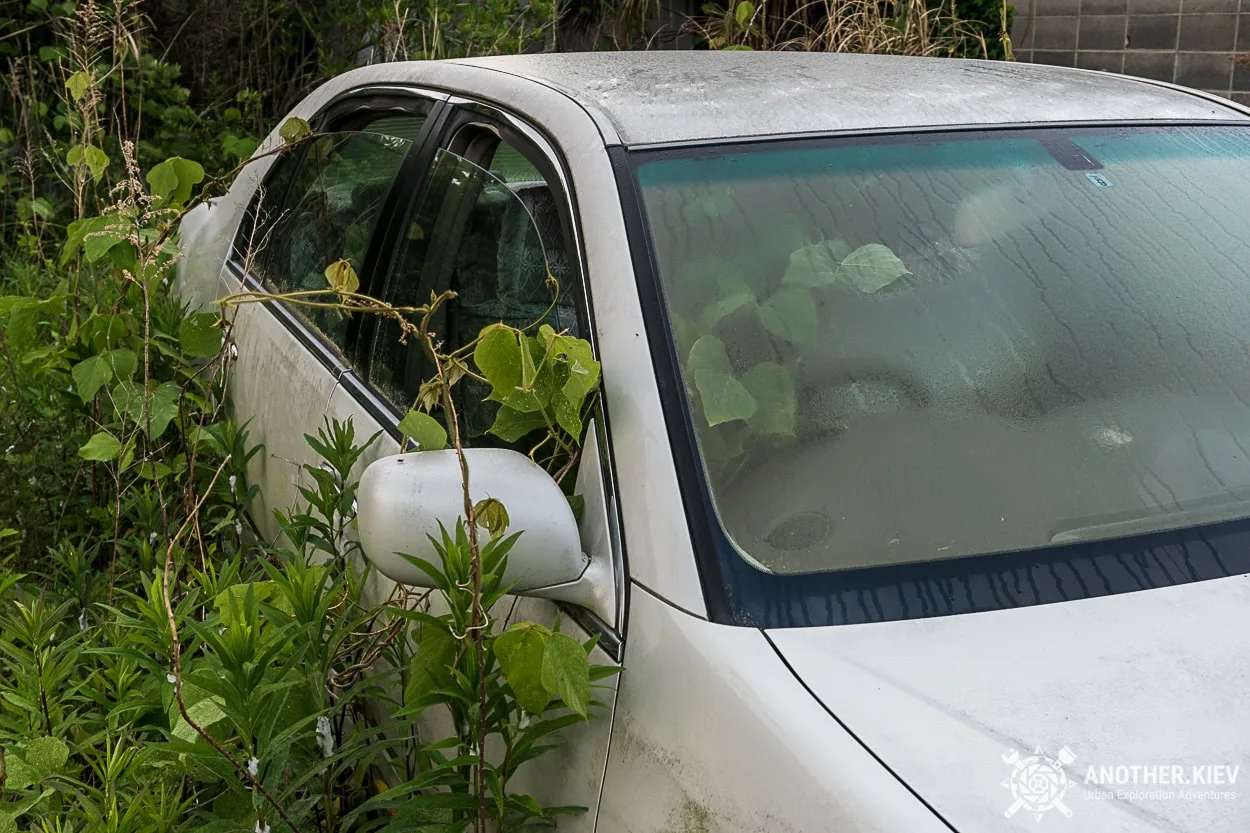
This guy forgot to close his windows, and ivy has taken up residence inside the cabin.
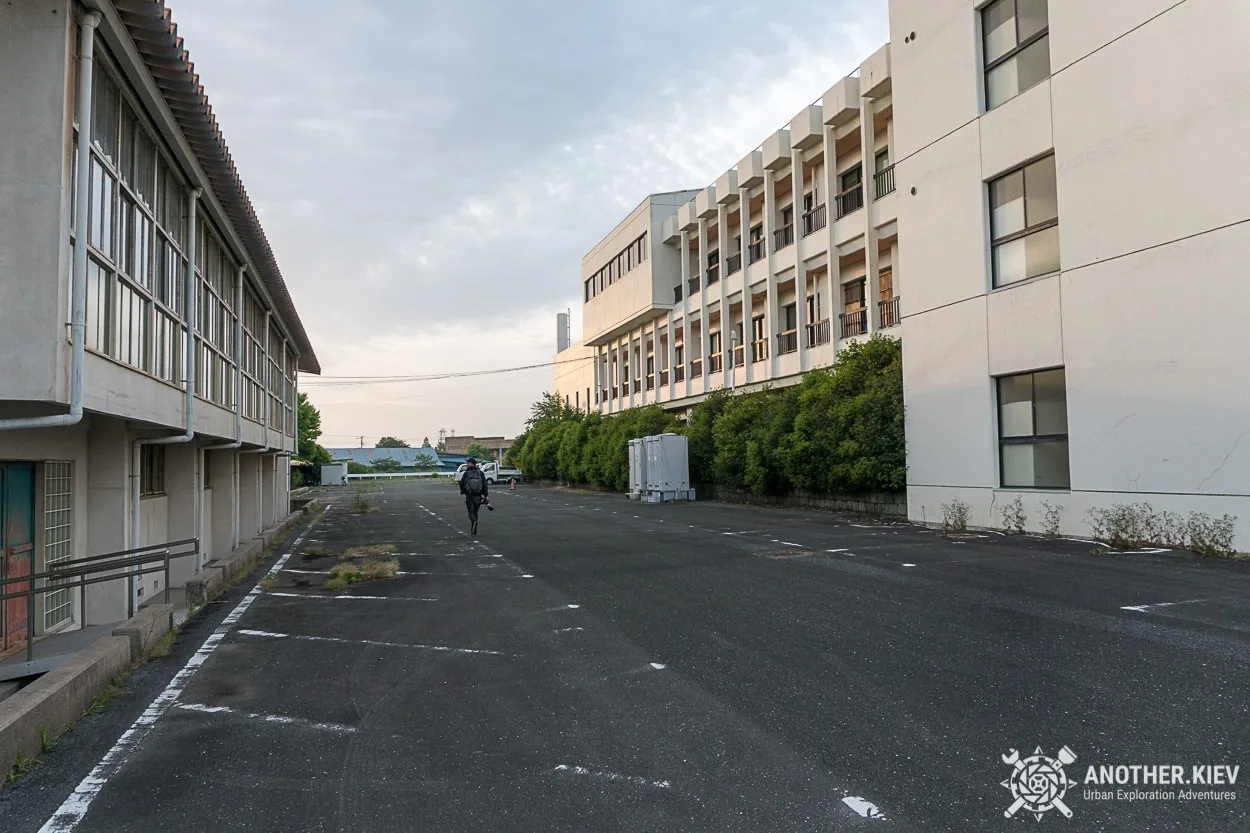
The Okuma school.
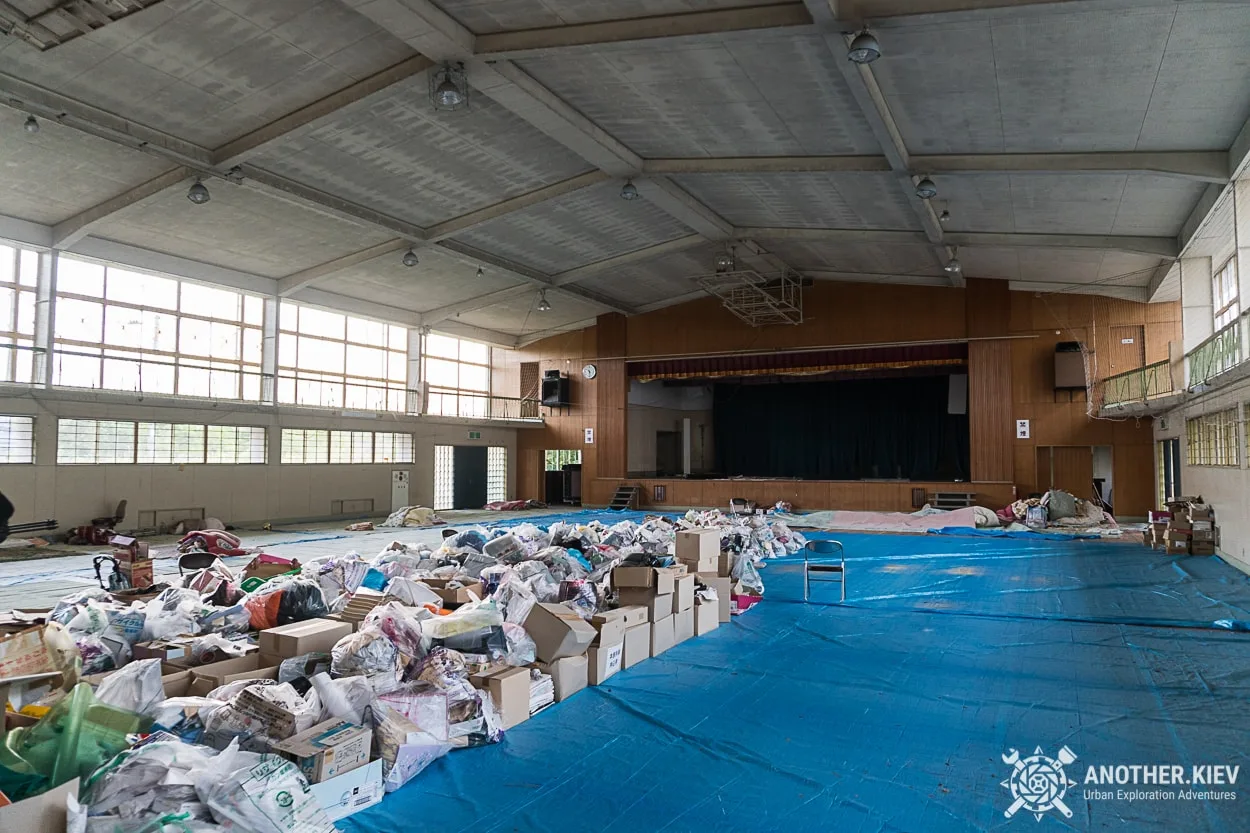
The school gym had apparently served as a gathering point before the evacuation. People’s personal belongings sat in bags, and the floor was covered with plastic sheeting.
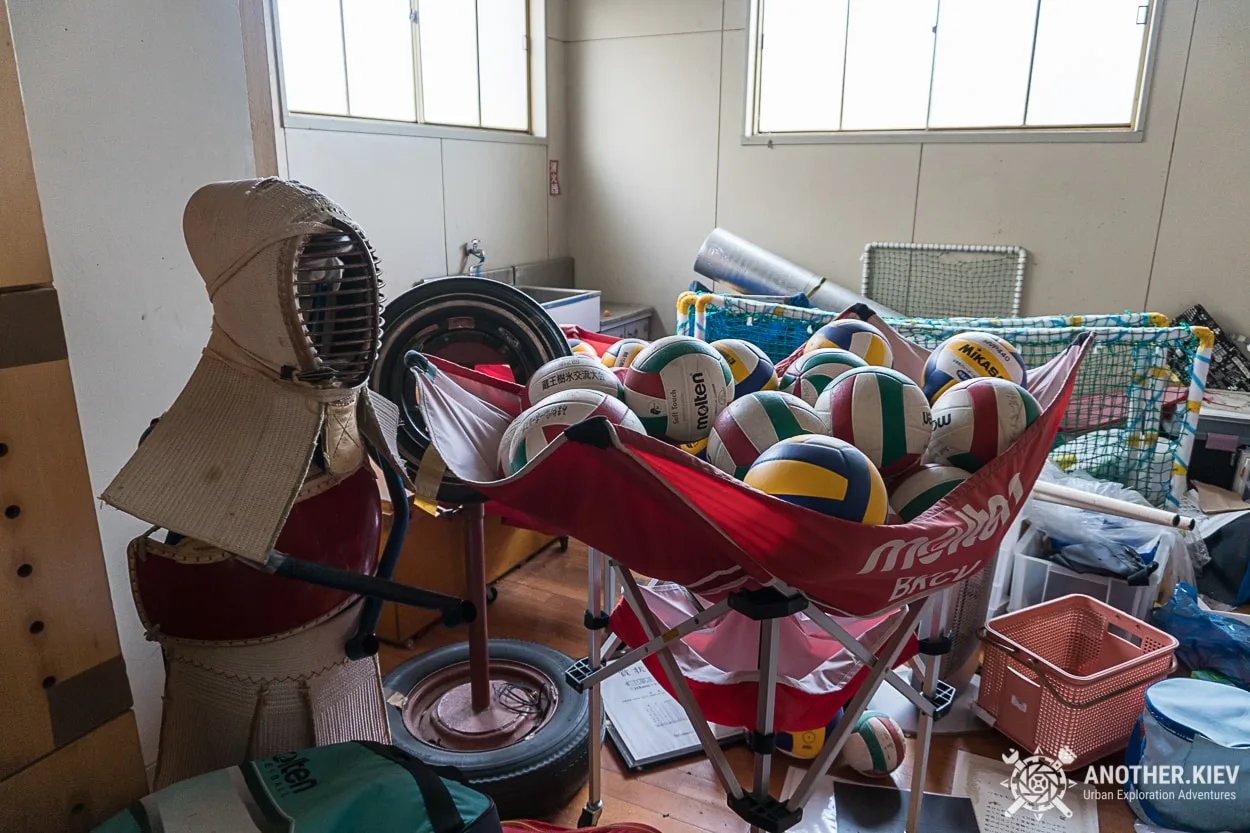
Sports equipment in one of the gym’s rooms.
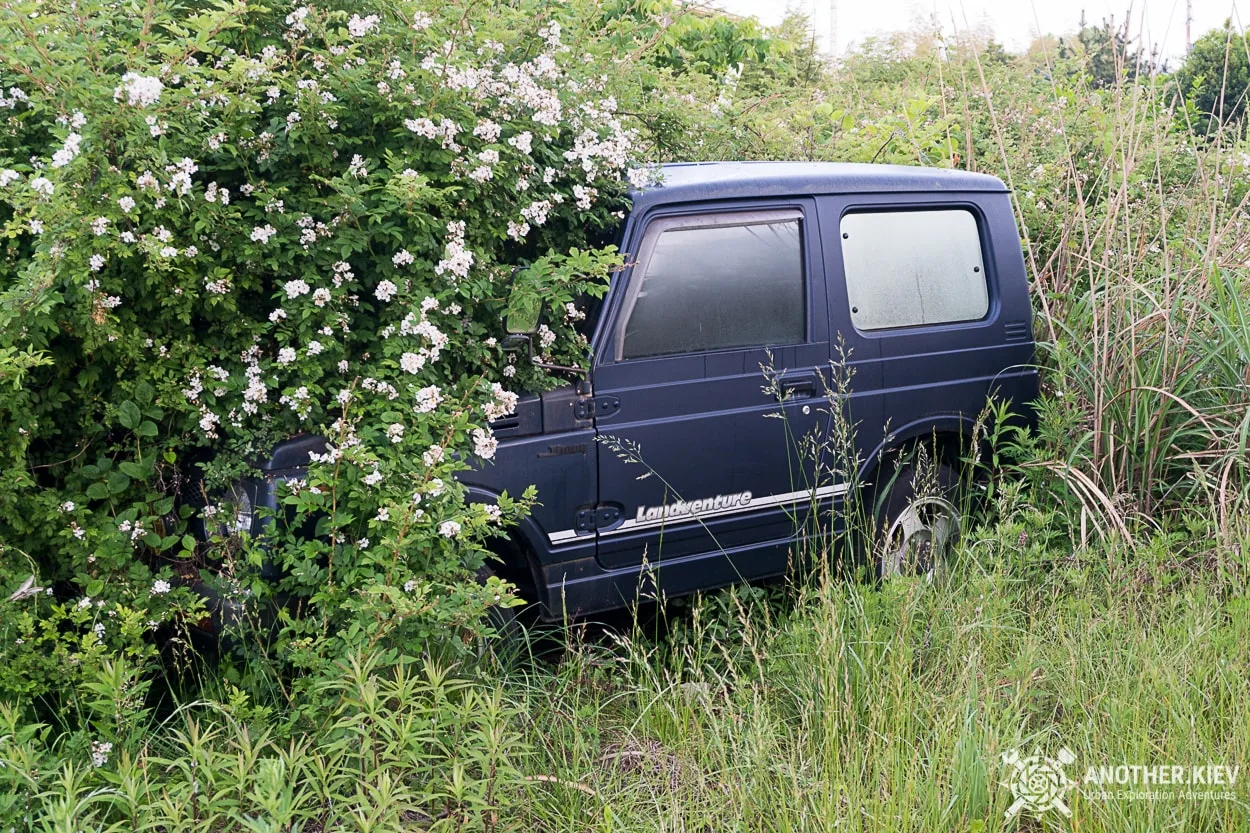
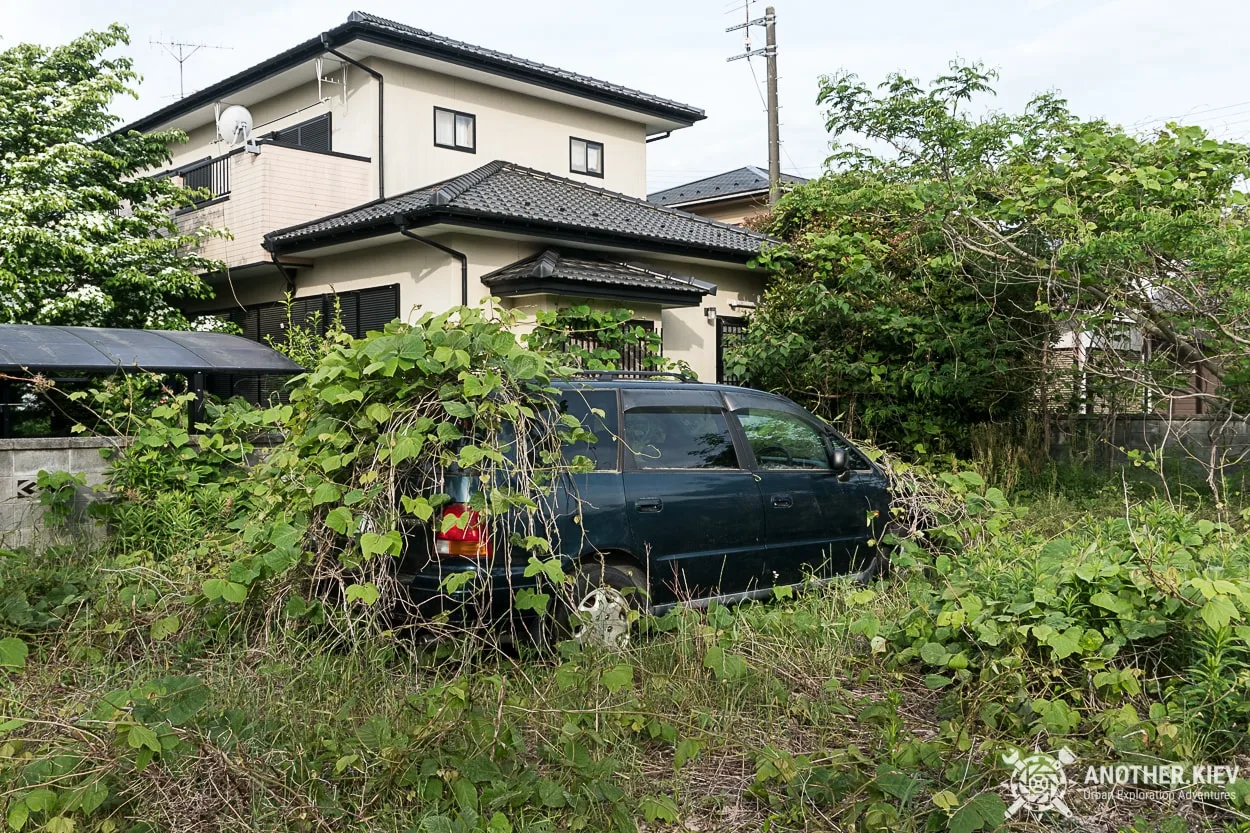
Bushes swallowing an SUV.
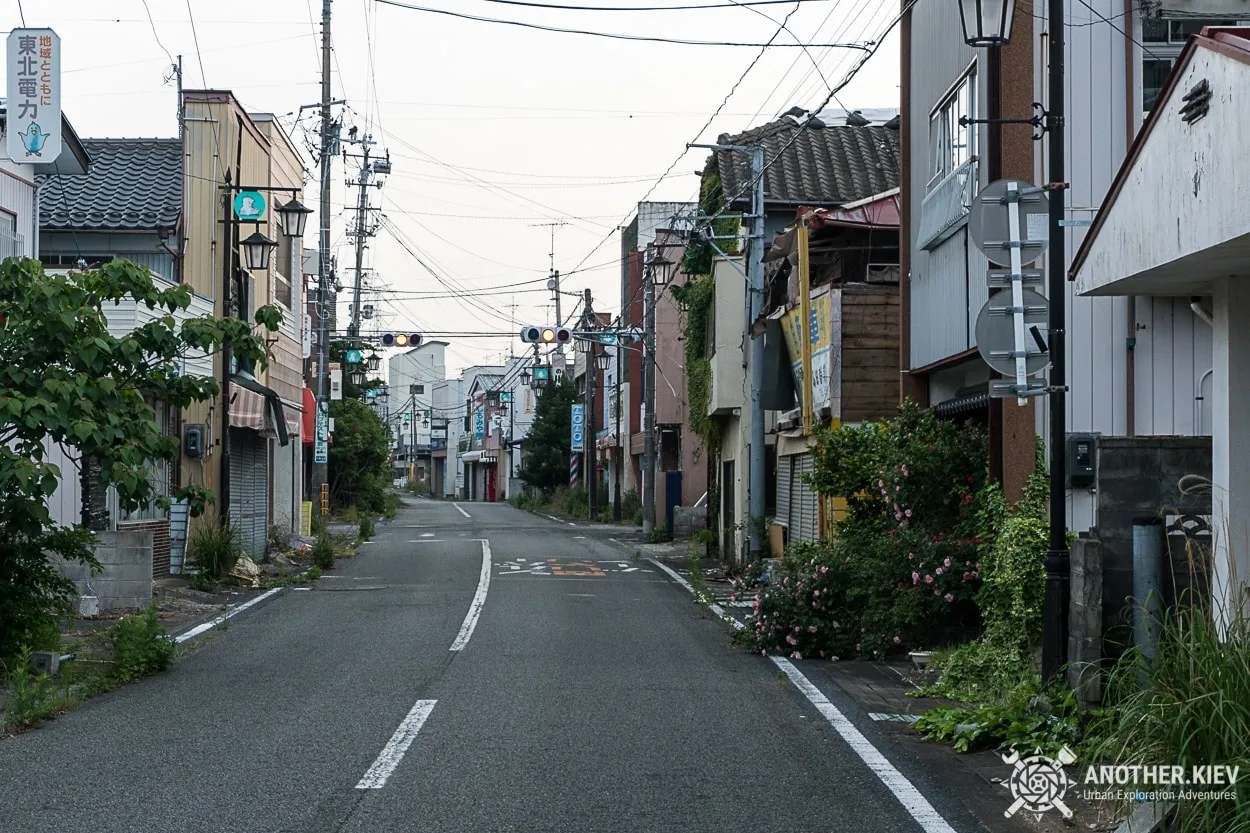
The empty streets of Okuma, the very city from my childhood visions.
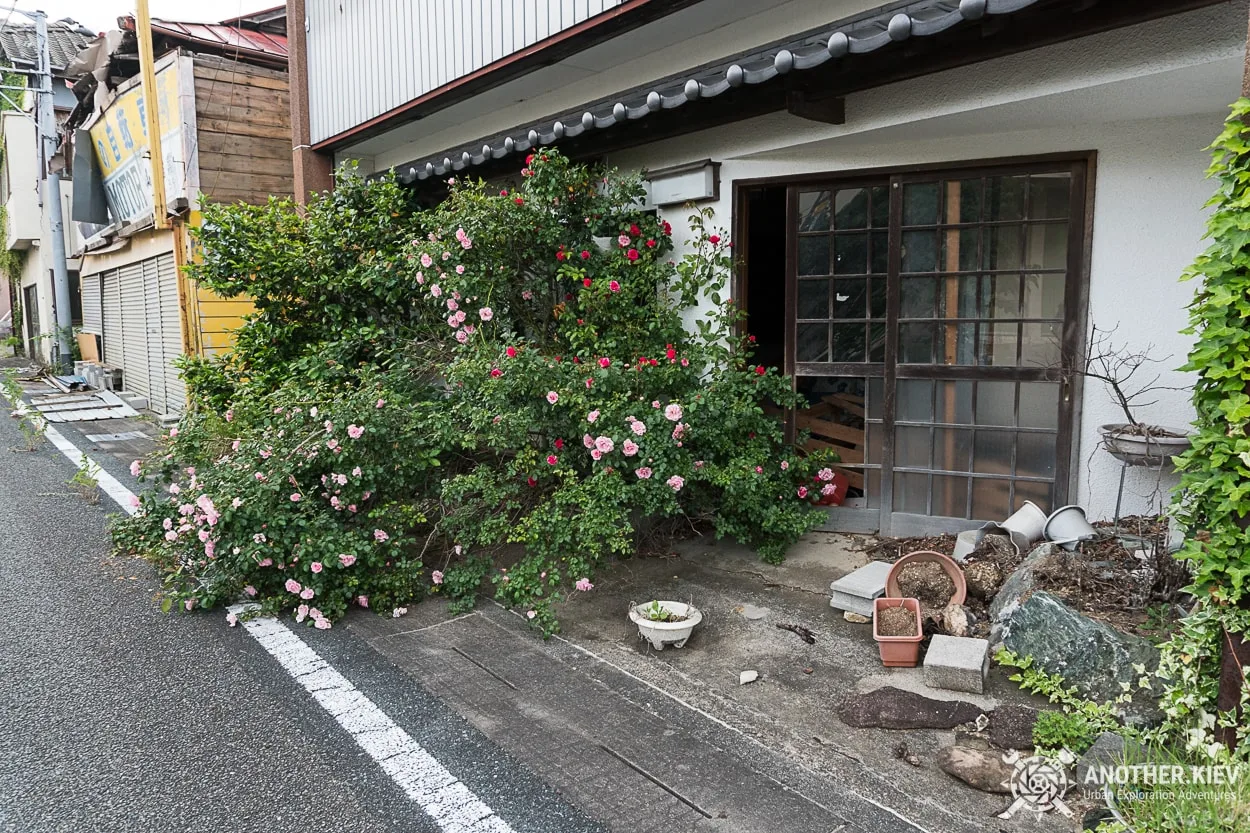
Tea rose bushes had grown wild and threatened to overtake the street.
Greenery is briskly widening the tiniest cracks in the asphalt.
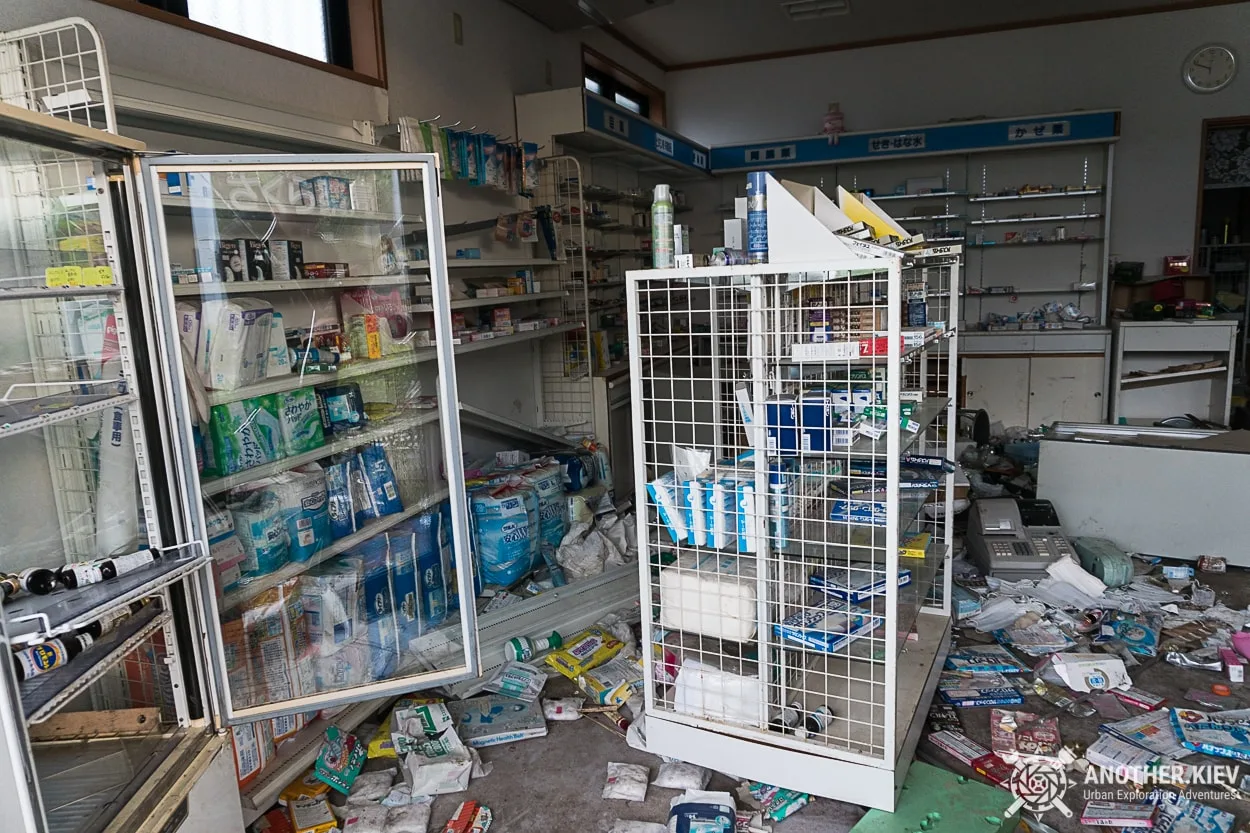
Inside an abandoned pharmacy.
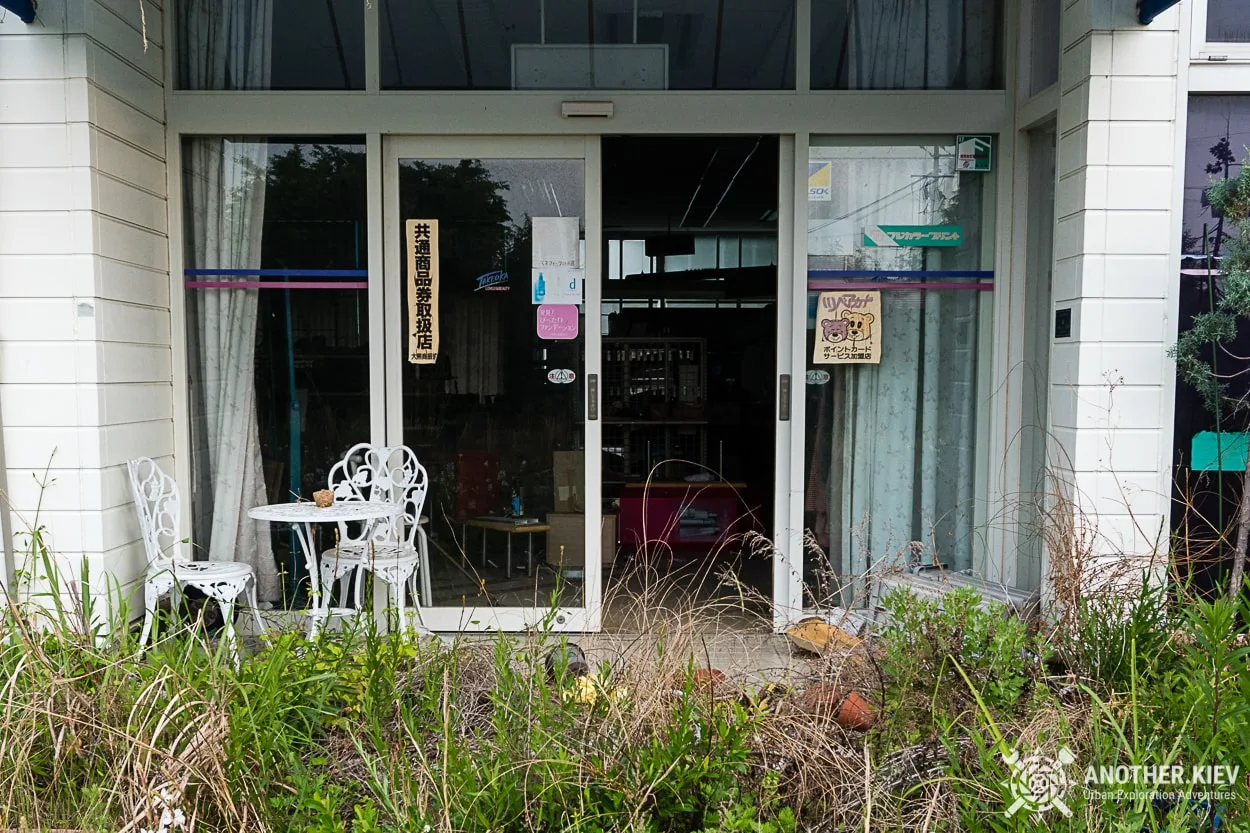
The entrance to the household goods store was open too.
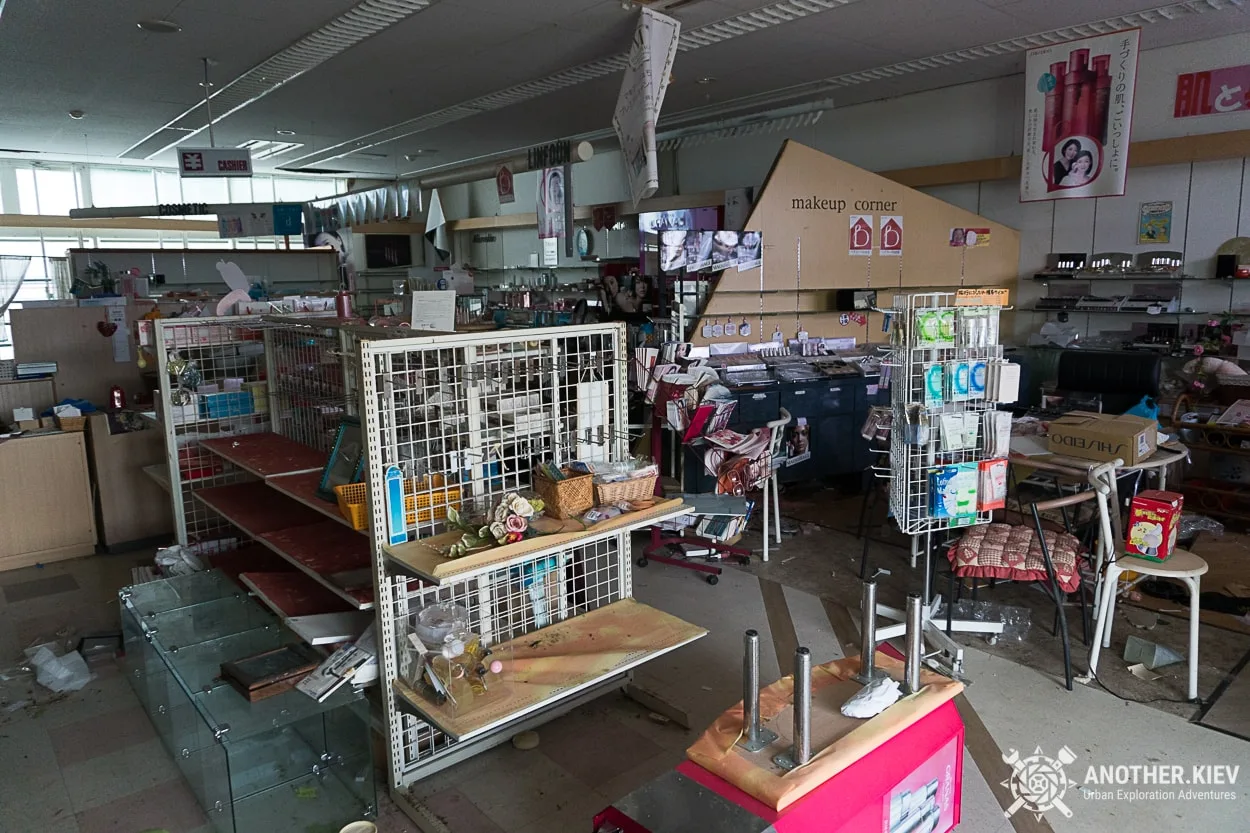
The streets had become quite heavily overgrown in just seven years. Pripyat grew over much more slowly.
It was already getting light and, fearing the morning patrols, we headed toward the exit from the red zone of alienation, back to “the mainland”, as Ukrainian stalkers say. After all, a zone of alienation is always a small, separate world, with its own rules and laws. And who are we here but uninvited guests?
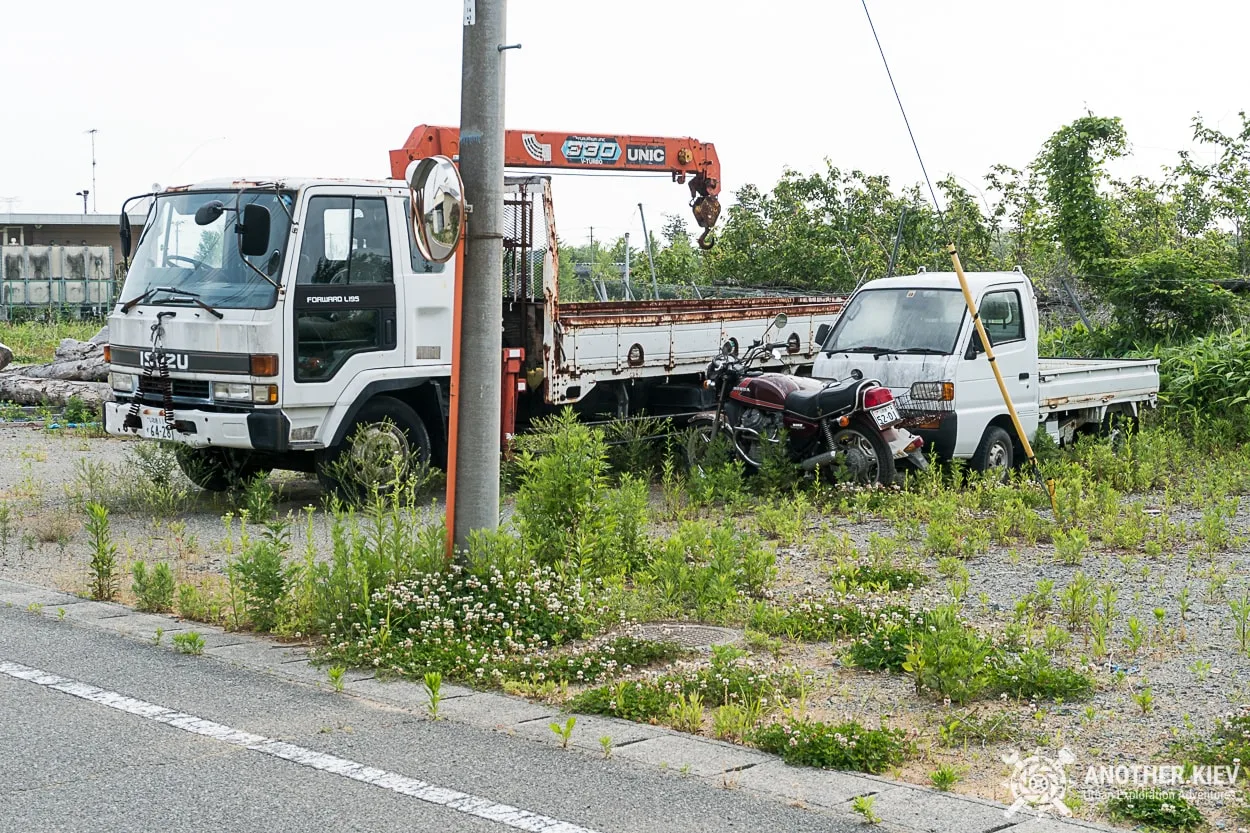
Trucks in permanent parking; only the rust and the flat tires give away how long they have been abandoned.
On the outskirts of the city, we went into an abandoned supermarket.
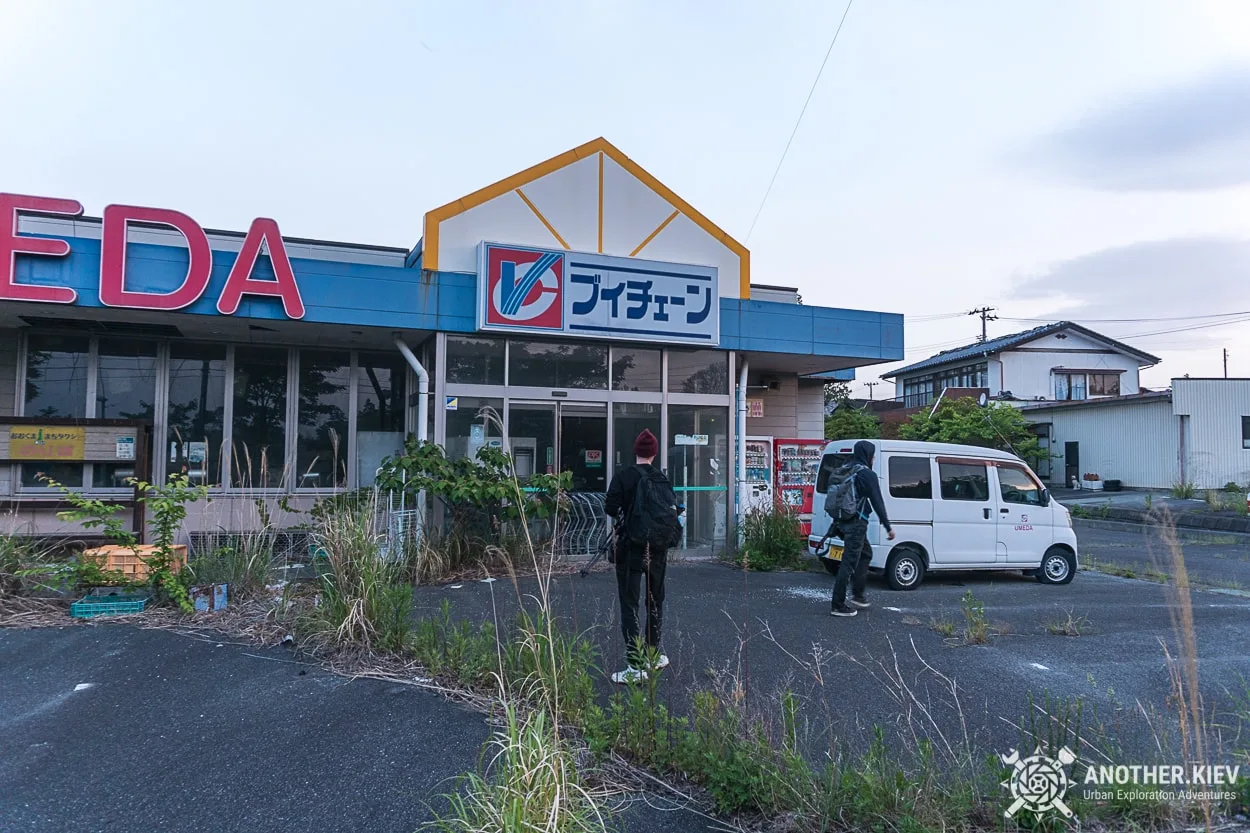
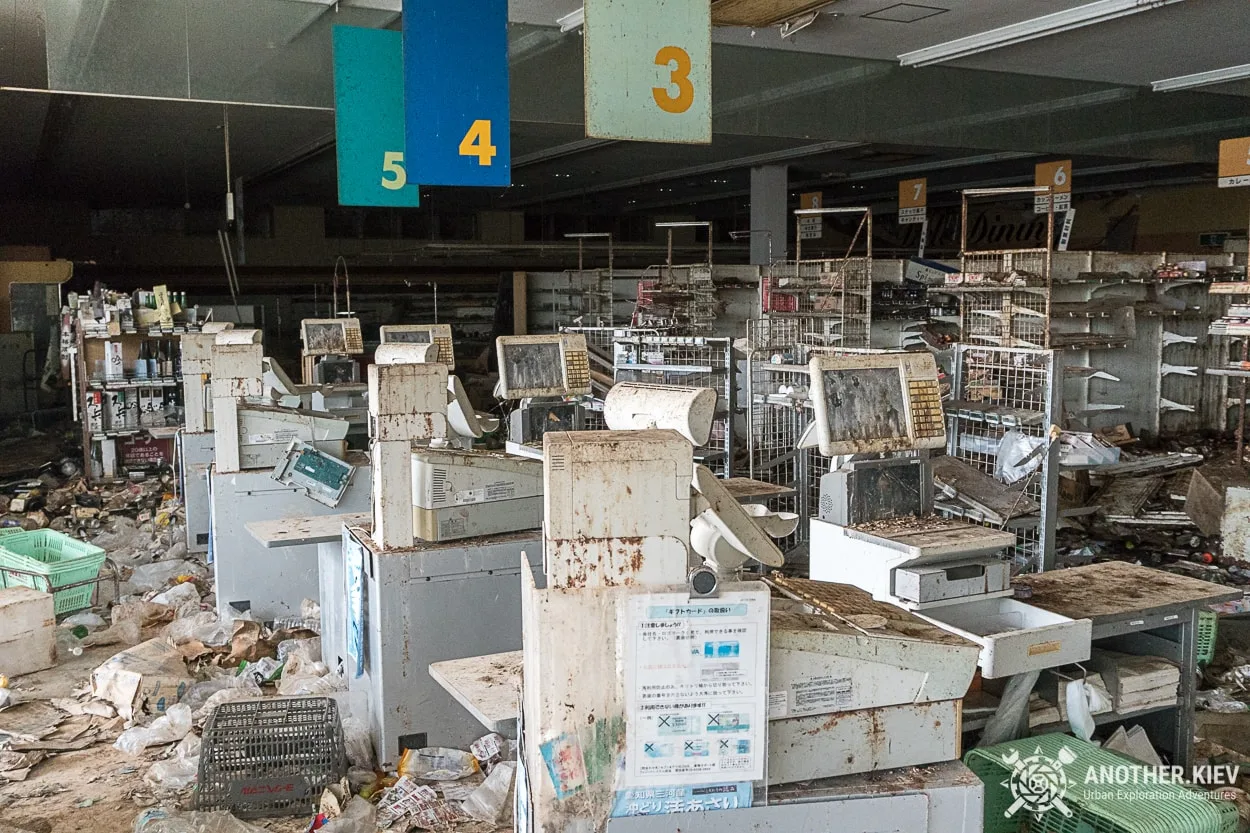
The doors here were wide open, and the pigeons had done their work.
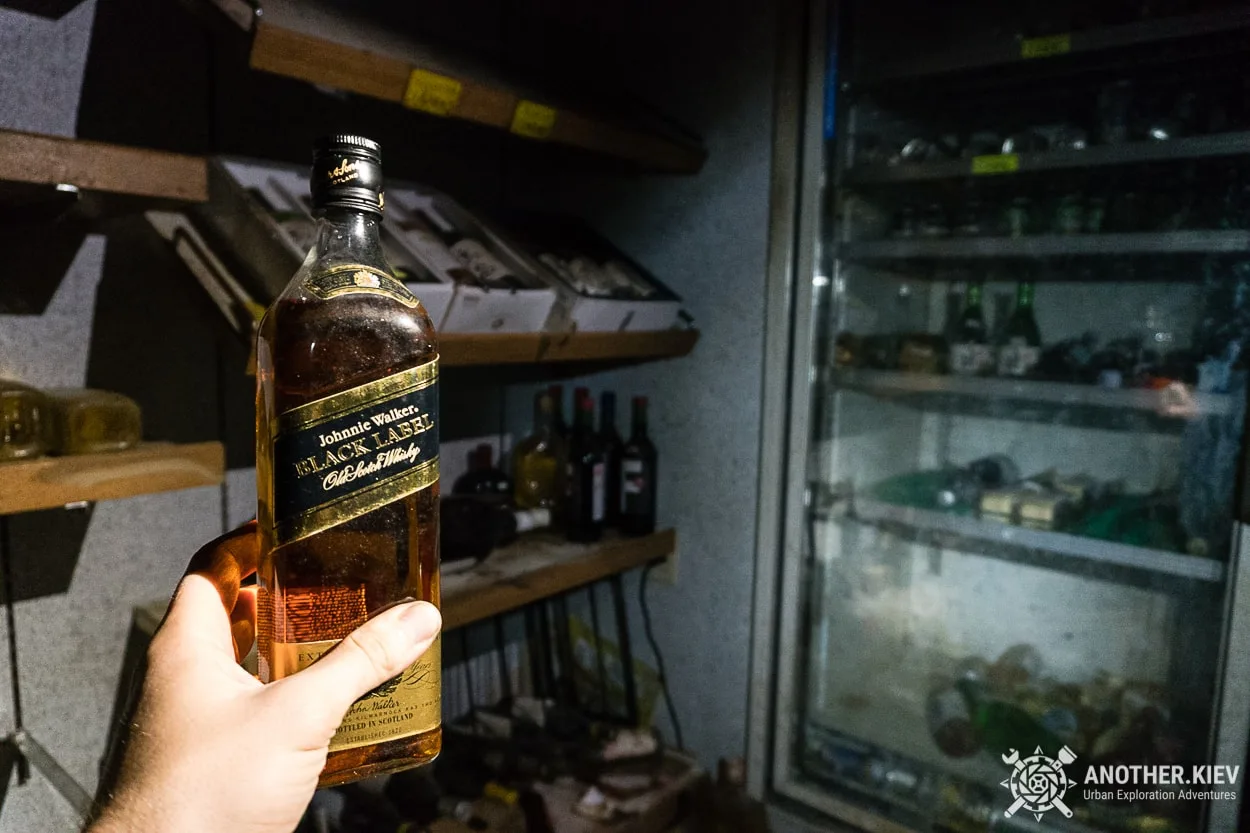
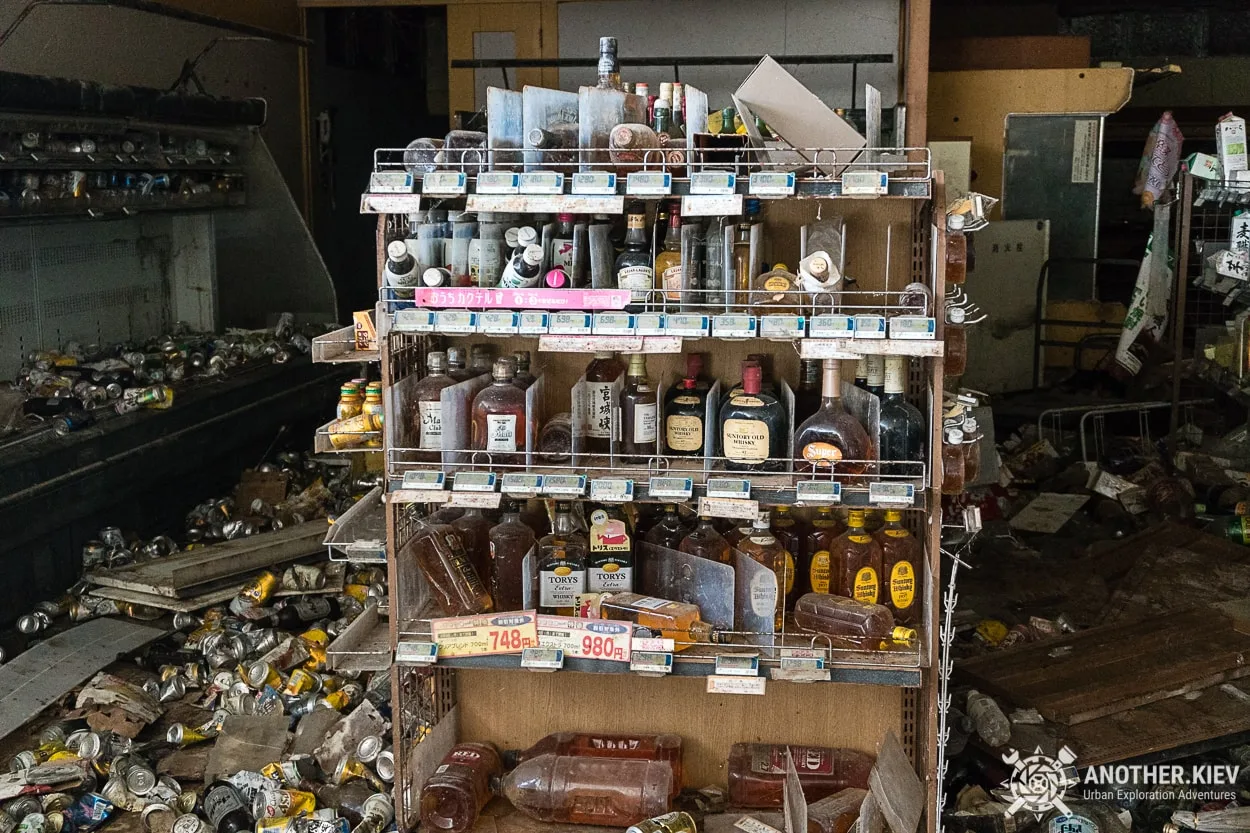
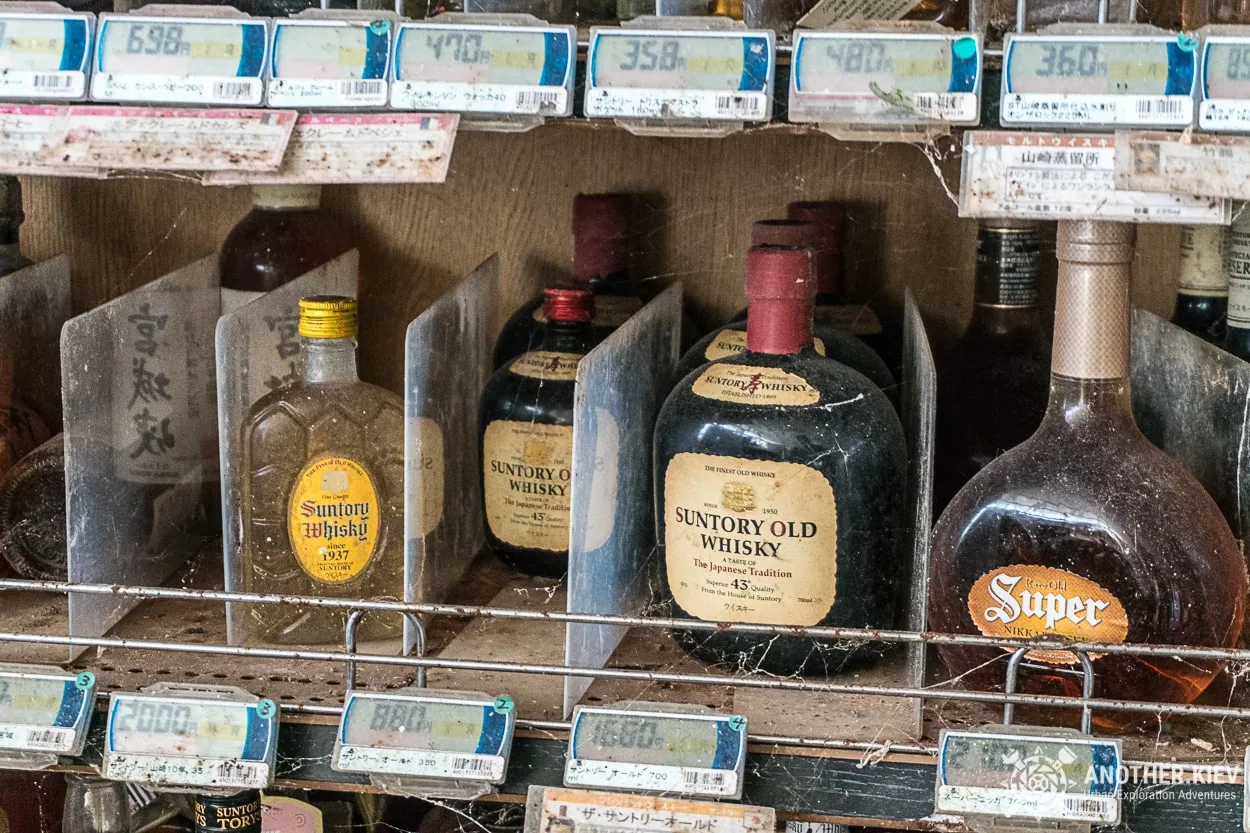
A looted counter of premium alcohol at $150 a bottle.
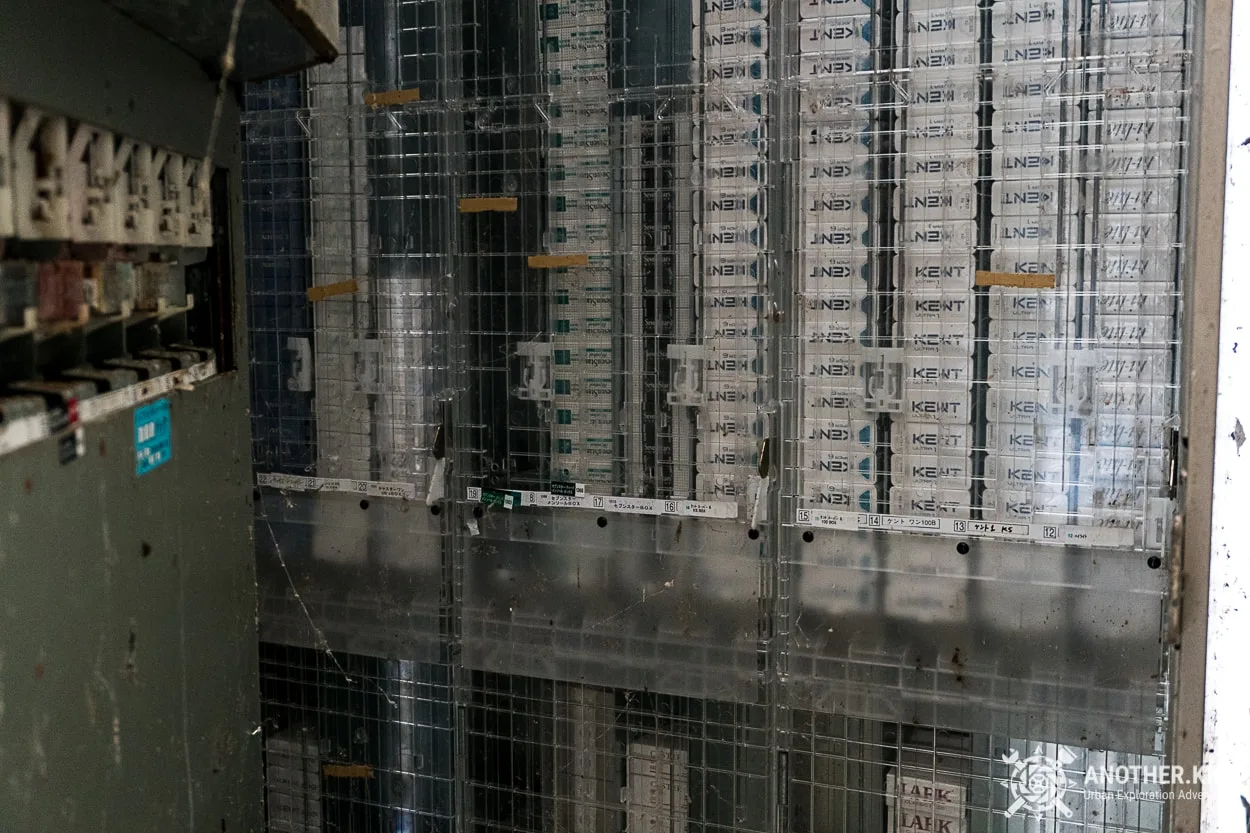
I had always wondered what was inside the vending machines that sell cigarettes and soda on the street. I couldn’t resist opening one to take a look.
We had to leave the zone of alienation before the first patrols; paying a fine of 2,000 dollars was not part of my plans.
All in all, we spent about three days in the Fukushima exclusion zone, thoroughly exploring the green zone and the orange zone of Futaba, in addition to the red zone of Okuma. Stay tuned!
With many years of experience visiting underground and abandoned places, the another.kiev team invites you to experience a post-apocalyptic world and explore Chernobyl Exclusion Zone with stalker. You can also join our Kiev Urbex Tour and visit an underground tunnel system and a Cold War bunker.